The article reviews reports that Launchpad and its support vessel Wingman — both linked to Mark Zuckerberg — were near a disabled boat off Alaska around 1 a.m. Passenger accounts and AIS tracking place Launchpad in the area while Wilderness Legacy provided assistance. However, AIS cannot show bridge communications or radio traffic, and there is no public proof either yacht was asked to help and refused. Maritime law generally requires aid in true distress, but obligations depend on the call's classification and any Coast Guard orders.
Zuckerberg-Linked Yachts Passed A Stranded Boat Off Alaska — AIS Shows Proximity But No Public Proof Of Refusal
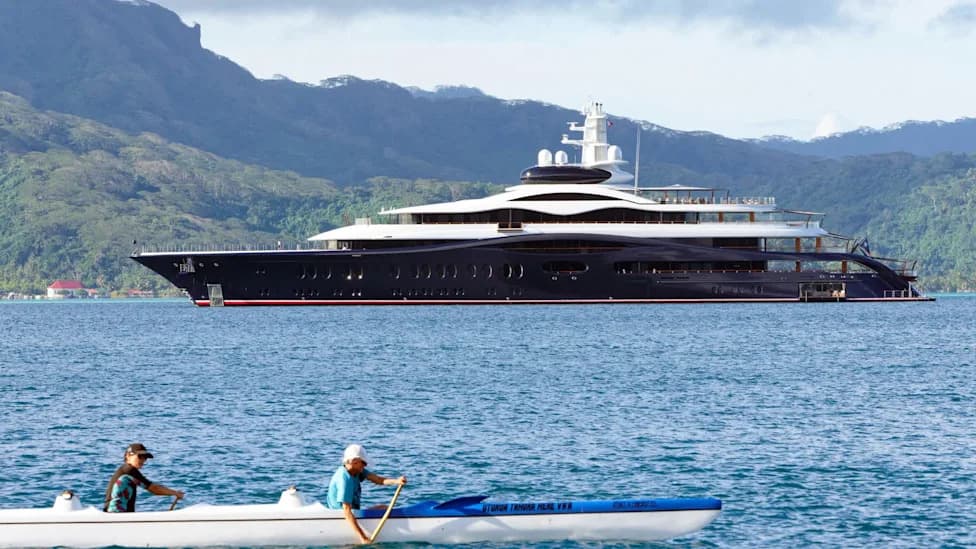
Photo Credit: Getty Images
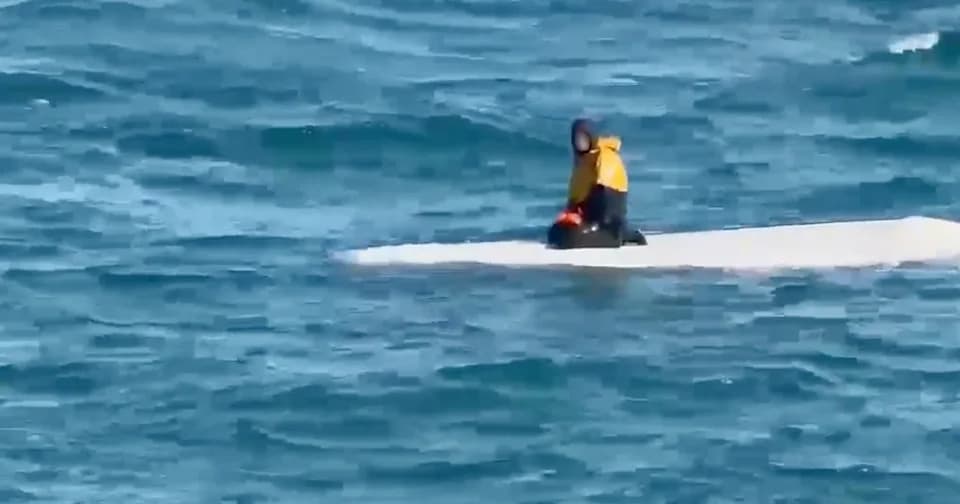
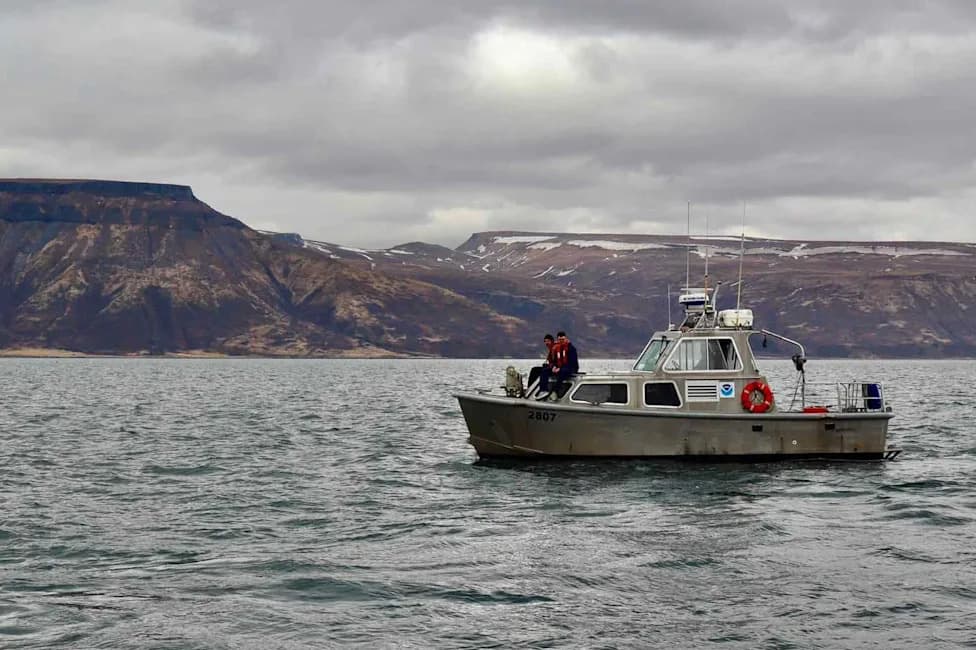
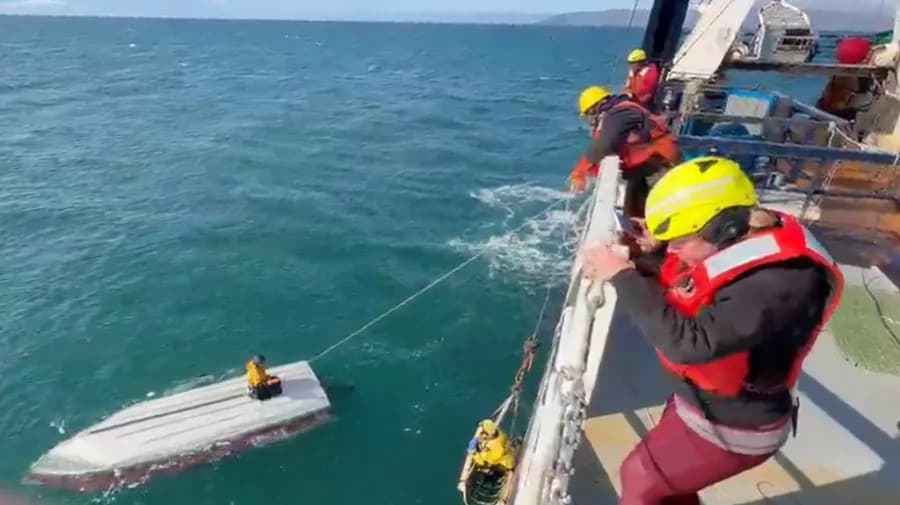
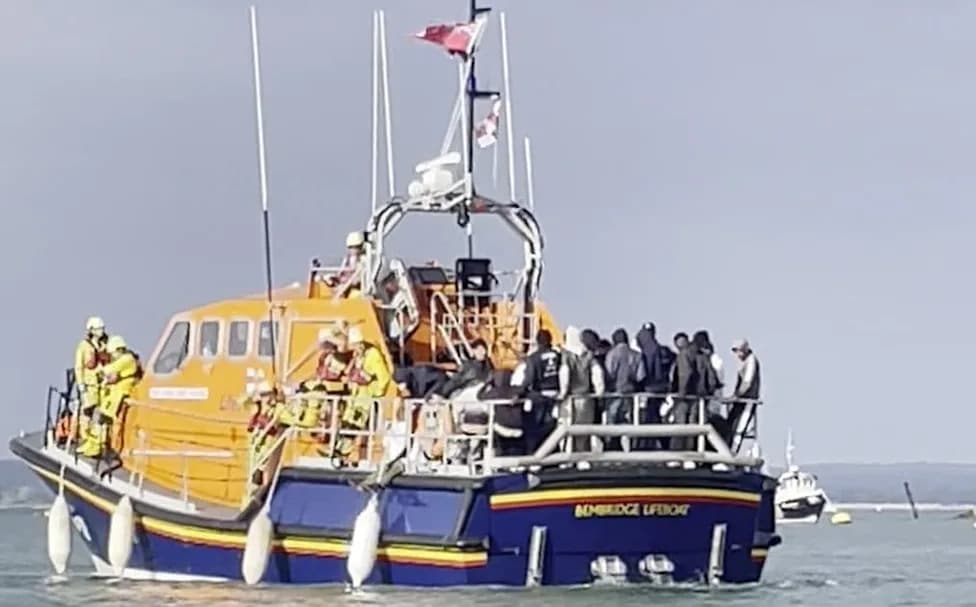
A luxury superyacht and its support vessel linked to Meta CEO Mark Zuckerberg were reported to have passed a disabled small boat off the coast of Alaska without stopping to assist. Multiple accounts identify the vessels as Launchpad and its support ship Wingman, and say the cruise ship Wilderness Legacy ultimately rendered aid.
What Happened
Passenger Michael Love, aboard Wilderness Legacy, said the rescue took place at about 1 a.m. He recounted that the ship’s captain told passengers Launchpad had been closer to the disabled boat and had not reacted — though Love later clarified he did not witness that interaction firsthand and heard it secondhand.
What The Data Shows
Historical Automatic Identification System (AIS) records reviewed by observers appear to place Launchpad ahead of Wilderness Legacy in the same area. The AIS trace suggests Launchpad slowed or briefly stopped before continuing, while Wilderness Legacy altered course toward the stranded vessel and provided assistance.
Limits Of The Evidence
AIS data is useful for reconstructing vessel movements but cannot show what occurred on a yacht’s bridge, whether crew members heard Coast Guard transmissions, or whether Zuckerberg was aboard. There is no publicly available evidence that either yacht was explicitly asked to help and then refused. Eyewitness accounts and vessel-tracking footage (including analysis by The Yacht Report on YouTube) help fill gaps but do not resolve all uncertainties.
Maritime Law And The Duty To Assist
Under international maritime law, masters are generally obliged to assist people in genuine distress, provided doing so would not place their own vessel, crew, or passengers in serious danger. That duty is important in remote Alaskan waters, where darkness, weather, and distance can turn mechanical problems into life-threatening situations.
However, the legal obligation depends on the classification of the incident. A Coast Guard Marine Assistance Request Broadcast is not the same as a formal Mayday or a confirmed distress situation; if the smaller boat required non-emergency help, nearby vessels may not have had the same legal duty to intervene. Conversely, a direct Coast Guard instruction during a bona fide emergency could create clearer legal obligations.
Practical Safety Takeaways
Preparation is critical for small-boat operators in remote waters. Recommended precautions include carrying and knowing how to use a functioning VHF radio, having emergency locator equipment (EPIRB or PLB), maintaining up-to-date navigation tools, and filing float plans or trip notices. Passengers on cruises and charters should ask operators about emergency procedures before departure.
Conclusion
AIS records and eyewitness reports indicate Launchpad was in the vicinity and that Wilderness Legacy provided aid, but the available evidence does not confirm that either of Zuckerberg’s vessels was directly asked to assist and refused. Important questions about radio communications, bridge-level decisions, and any Coast Guard directives remain unanswered.
Help us improve.