Researchers at the University of Illinois Urbana-Champaign used hydrothermal liquefaction (HTL) and catalytic upgrading to convert food waste into a jet fuel that met aviation specifications. The laboratory sample contained 70.5% cyclic hydrocarbons, had a freezing point of −60°C (better than Jet A’s −40°C), achieved 98% deoxygenation, and was sulfur-free. Major hurdles remain: production is currently small-scale, costs and treatment of a hazardous aqueous byproduct are significant challenges, and feedstock logistics must be solved before commercial deployment.
Food Waste Could Power Planes: Researchers Convert Food Waste Into Drop‑In Jet Fuel
Bulent camci/Shutterstock
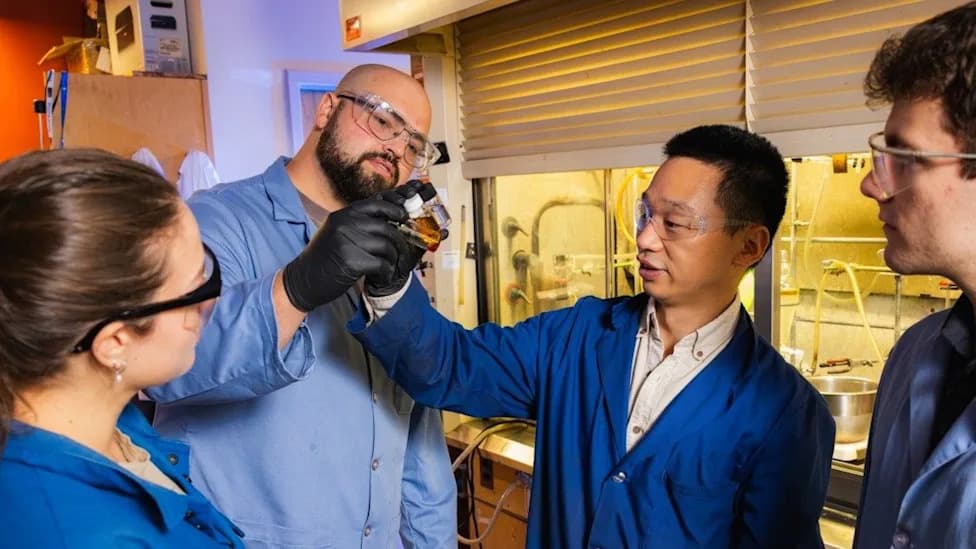
Researchers at the University of Illinois Urbana-Champaign report a promising laboratory pathway to turn food waste into aviation-grade fuel. Published in Nature Sustainability, the study shows how hydrothermal liquefaction (HTL) can convert organic waste into a crude-like biocrude that is then upgraded through catalytic refining into a fuel that meets key jet specifications.
How the Process Works
The team uses hydrothermal liquefaction (HTL), a rapid laboratory analogue of the geological process that produces crude oil, to convert mixed food waste into biocrude. That biocrude is first distilled to remove contaminants, then upgraded through several catalytic steps: hydrocracking with an iron–zeolite catalyst followed by hydrotreating over palladium. These steps reduce oxygen and nitrogen content and enrich the product in cycloalkanes—cyclic hydrocarbons that improve fuel density and combustion properties.
Quantic69/Getty Images
Performance and Key Metrics
- The upgraded fuel sample contained 70.5% cyclic hydrocarbons.
- It achieved a higher heating value than conventional Jet A and measured a freezing point of −60°C (Jet A: −40°C).
- Deoxygenation reached 98%, and all sulfur was removed in the upgrading steps.
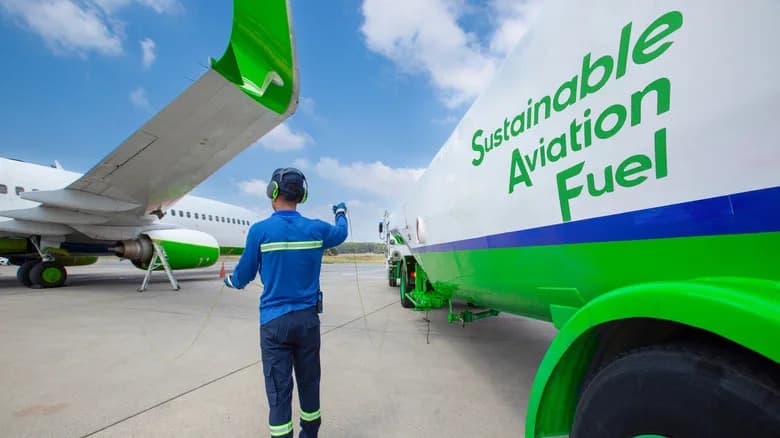
- The product met aviation flash-point and viscosity requirements and could be used as a 100% drop-in fuel without mandatory blending.
Challenges and Next Steps
Despite encouraging lab results, the approach is not yet commercially ready. So far only small batches have been produced for testing; scaling to meet airline demand will require significant engineering and capital. Economic hurdles remain because the current configuration could raise production costs, and HTL generates a hazardous aqueous byproduct that requires treatment—adding complexity and expense.
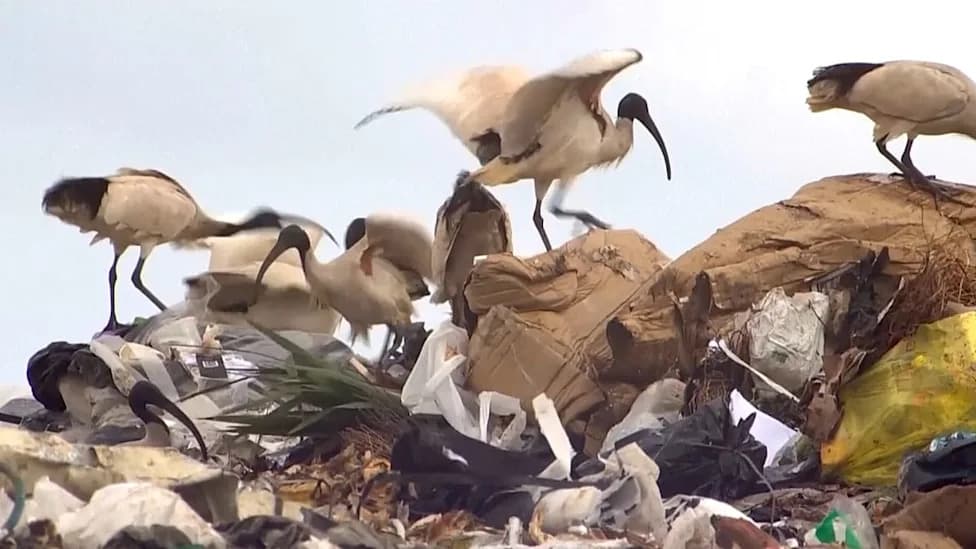
Logistics are another barrier: much food waste is landfilled or processed at wastewater treatment plants, so collecting and transporting suitable feedstock to HTL facilities would need specialized handling. The researchers note possible mitigations, such as using treated wastewater in the HTL process or locating HTL modules near large waste sources.
Bottom line: Converting food waste into jet fuel could become a valuable circular-economy pathway that reduces emissions from aviation, but it will require successful scale-up, cost reductions, and safe byproduct management before it can be deployed commercially.
Other related efforts include microbial conversion of food waste into nutrient-rich biofertilizer and projects that recover uneaten food for reuse. If developed at scale and made cost-competitive, food-waste–derived jet fuel could play a meaningful role in reducing aviation’s carbon footprint.
Help us improve.