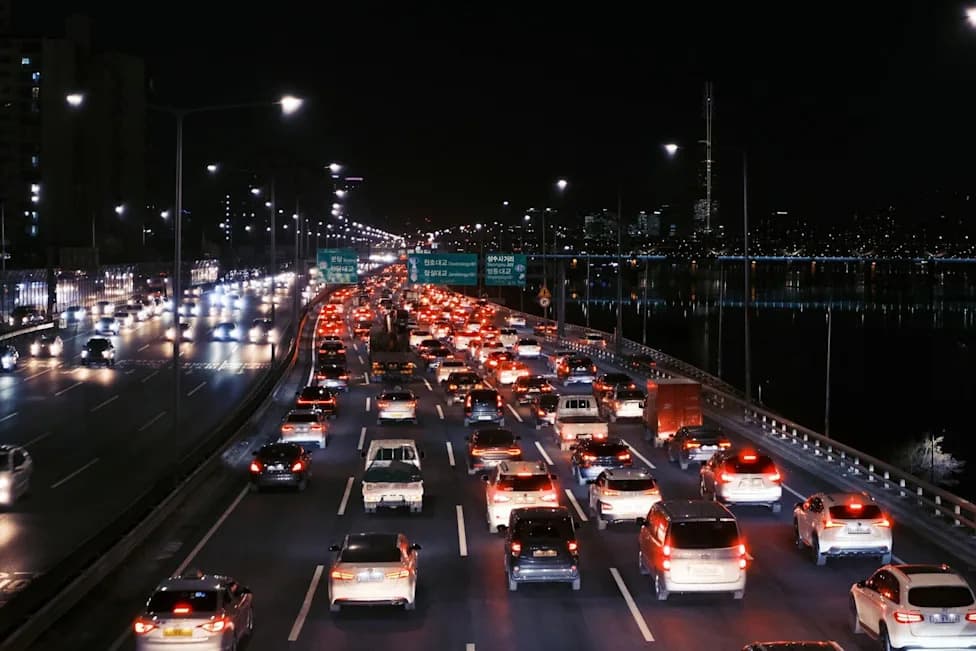
Knox County Mayor Glenn Jacobs has urged a nationwide pause on Flock Safety's automated license-plate cameras, arguing they raise constitutional and privacy concerns and that existing laws are outdated. Flock says its system operates in thousands of communities and deletes collected data after 30 days by default. Civil-liberties groups estimate tens of thousands of cameras are deployed nationally, and state-level efforts—such as in West Virginia—are already seeking tighter restrictions or bans.
Knox County Mayor Urges Nationwide Pause On Flock Safety Cameras, Citing Constitutional Risks
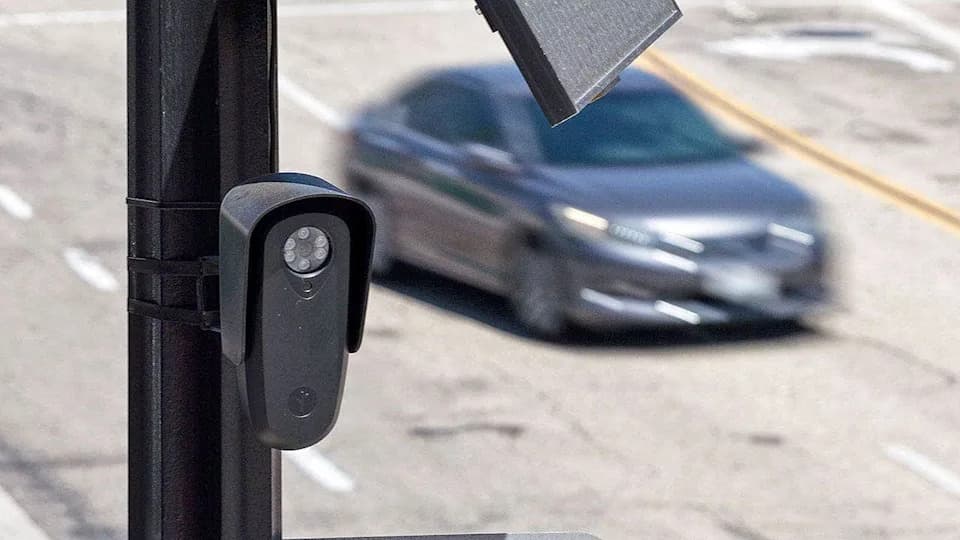
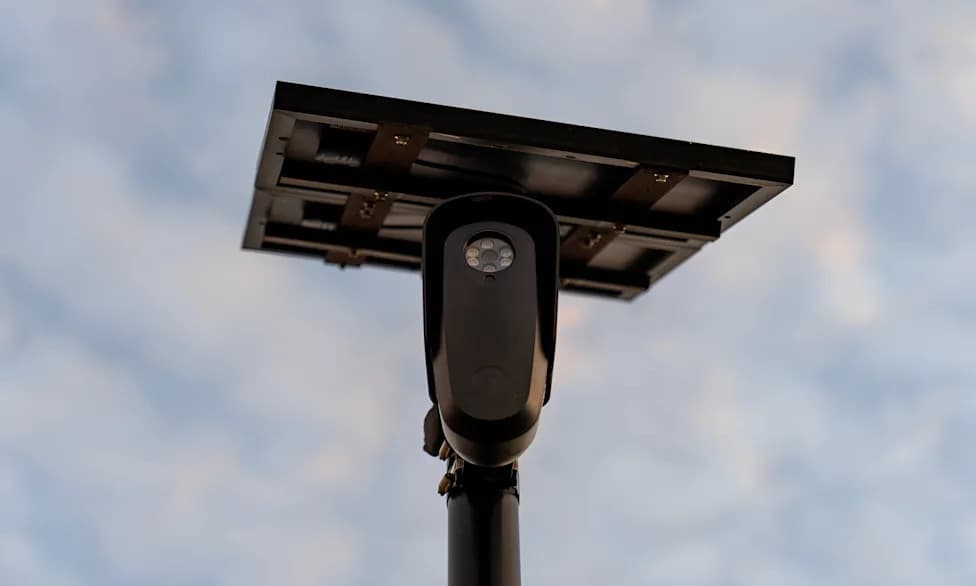
An aerial view shows a Flock Safety camera mounted to a light pole in Burbank, Calif., on Aug. 3, 2026.
Knox County, Tenn., Mayor Glenn Jacobs has called for a nationwide pause on the deployment of Flock Safety's automated license-plate cameras, arguing the technology poses constitutional, privacy and safety risks and currently lacks adequate legal safeguards.
Why Jacobs Is Calling For A Pause
Speaking on "The Sunday Briefing," Jacobs said law enforcement should retain effective tools to solve crimes but that newer Flock systems go beyond conventional license-plate readers. He urged officials to halt further rollouts until clear guardrails and an updated regulatory framework are in place.
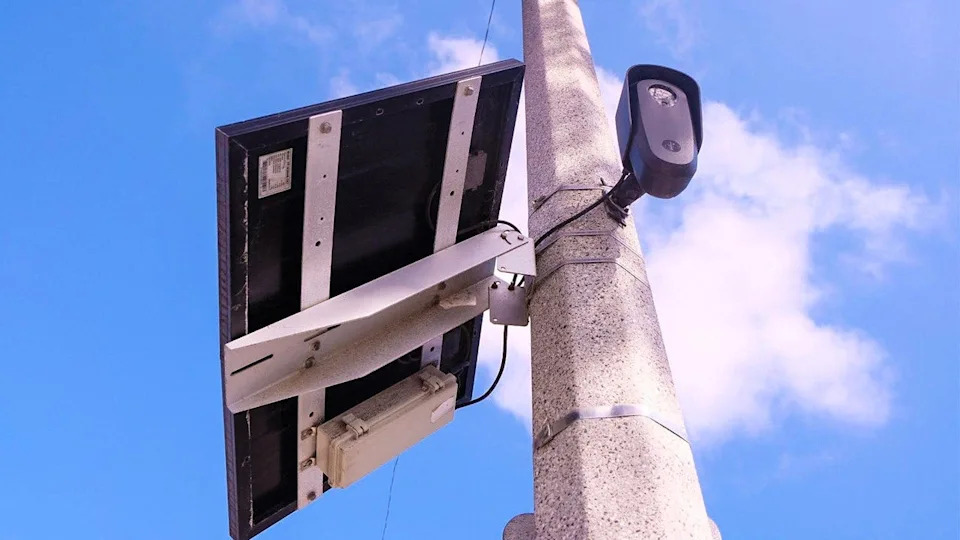
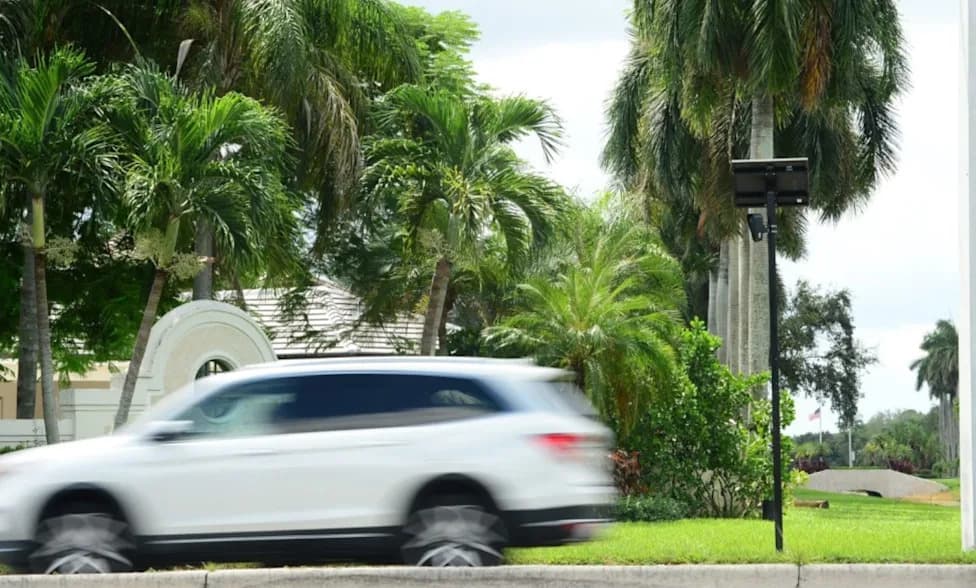
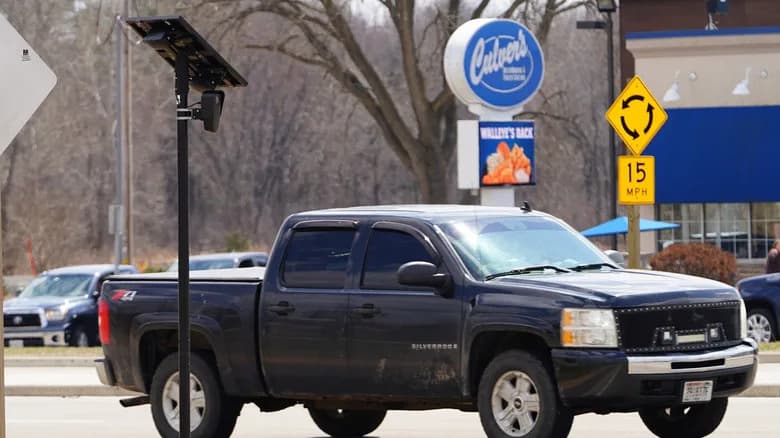
A Flock Safety-branded license plate reader camera is on site on a lamppost near the intersection of Peacock Drive and Bristol Road in Ventura on Sept. 9, 2025.
"This is not about depriving [law enforcement] of the tools. It's about figuring out how these tools can be used in an appropriate manner that is consistent with the Constitution," Jacobs said, noting he was aware of "dozens of cases" in which the system was allegedly abused.
How Widespread Is The Technology?
Flock Safety, a leading vendor of automated license-plate readers, reports operating in more than 6,000 communities and working with over 1,000 businesses and more than 5,000 law-enforcement agencies. The company says its system produces billions of vehicle scans per month. The American Civil Liberties Union estimates there are roughly 80,000 to 100,000 Flock cameras deployed nationwide.
Data Retention And Accuracy Concerns
In a statement to Fox News, Flock said data collected by its system are deleted automatically after 30 days by default unless an agency establishes a different retention period. Critics, including Jacobs and civil liberties advocates, argue that the platform is sometimes error-prone and can be misused if oversight and clear rules are not established.
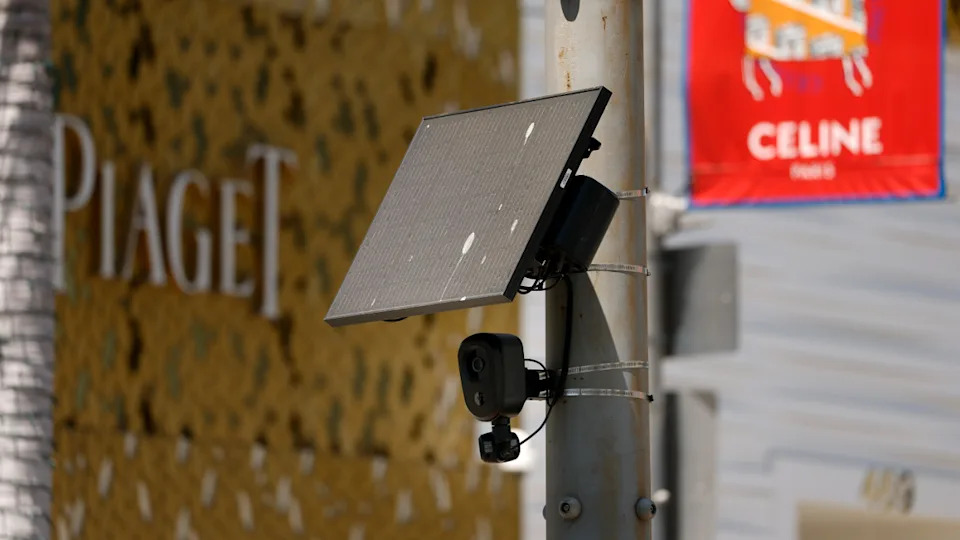
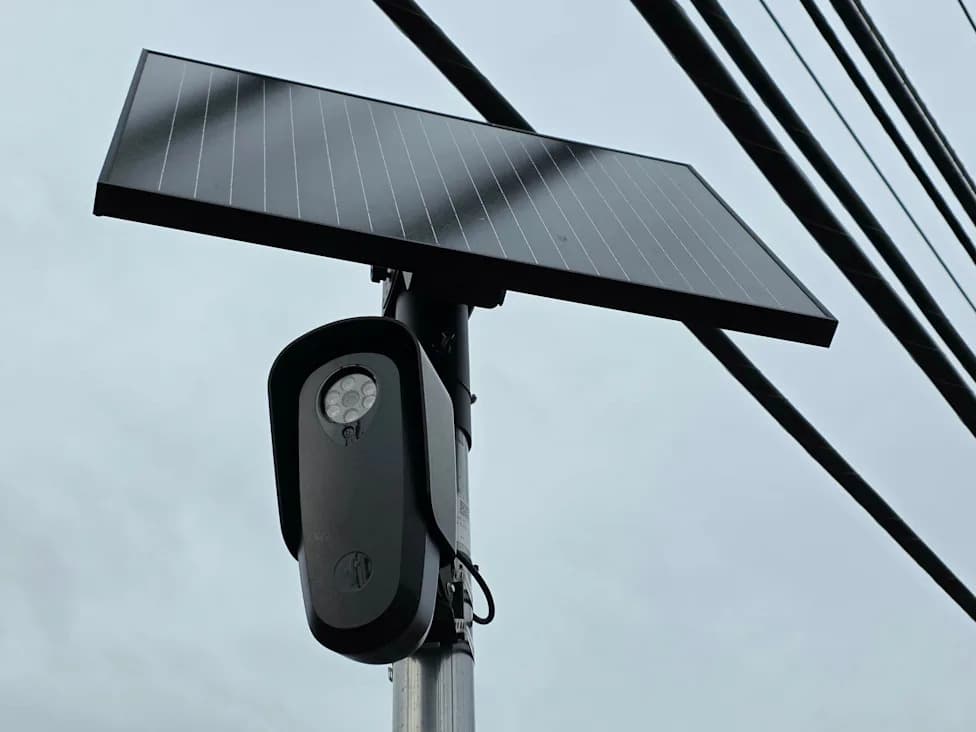
A Flock Safety camera is shown mounted to a light pole on Aug. 3, 2026, in Beverly Hills, California.
Legal And Regulatory Landscape
Jacobs noted there is currently no federal regulatory framework governing these cameras. Tennessee's laws related to automated license-plate readers date to 2014 with a minor update in 2021, he said, and he argued those statutes have not kept pace with rapid technological advances. The debate has also surfaced in other states: for example, lawmakers in West Virginia's Freedom Caucus are seeking to ban AI-powered plate-reading cameras statewide on Fourth Amendment privacy grounds.
What Comes Next
The controversy highlights the tension between public-safety tools and civil-liberties protections. Municipalities, state lawmakers and federal regulators will likely face increased pressure to clarify rules on retention periods, data access, accuracy standards and independent oversight before further deployments proceed.
Reporting note: Fox News Digital contributor Kerri Kupec Urbahn contributed to this report.
Help us improve.