The Royal Navy detected routine 'heartbeat' messages from surveillance cameras on K3 Scout unmanned vessels to a device in China during a cyber vulnerability assessment. The MoD says the signals contained only basic online-status data and that there is no evidence of MOD systems or sensitive information being compromised. The cameras were supplied by a third-party manufacturer, prompting renewed concerns about supply-chain cybersecurity as the UK expands its use of autonomous naval systems.
Royal Navy Drone Cameras Sent 'Heartbeat' Signals to Chinese Endpoint — MoD Says No Data Breach
(Marcus Brandt/AP Images)
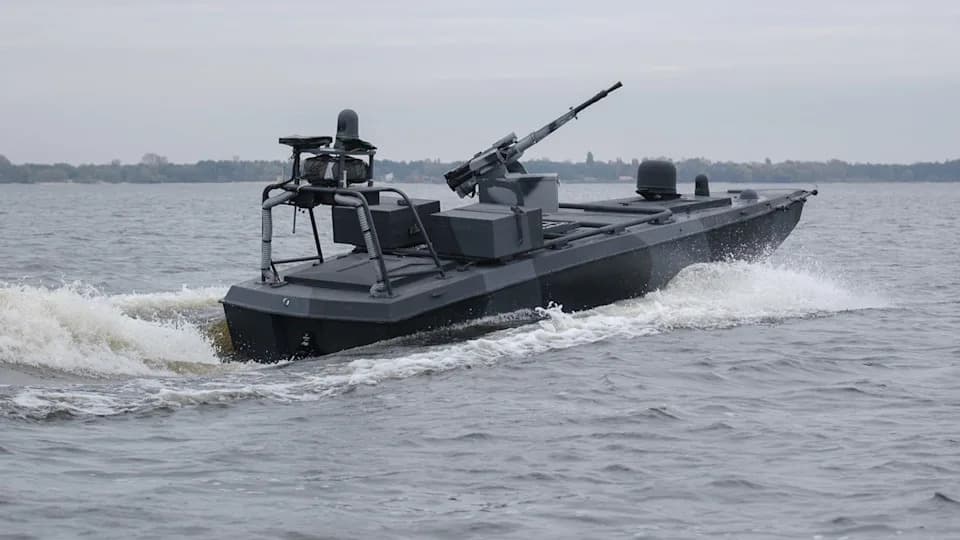
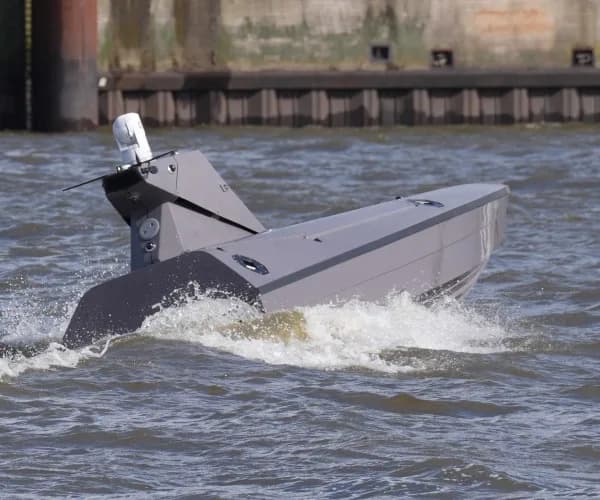
British Royal Navy surveillance cameras fitted to K3 Scout unmanned surface vessels were found sending routine 'heartbeat' status messages to a device in China during a cyber vulnerability assessment, the Ministry of Defence (MoD) has said. The communications reportedly carried only minimal connectivity information, and investigators found no evidence that MOD systems or sensitive data were accessed or transmitted.
What Was Found
During a routine security review of the K3 Scout vessels, engineers detected brief status transmissions from the onboard cameras to an external endpoint located in China. The messages were described as simple 'heartbeat' signals confirming the cameras were online and operating normally.
MoD Response and Investigation
'A thorough investigation found no evidence of MOD data or systems being accessed, compromised or transmitted externally,' a Ministry of Defence spokesman said. The MoD added that its assurance and testing processes are designed to identify and address potential vulnerabilities early and that routine cyber security checks continue across systems and equipment.
The K3 Scout vessels are manufactured by Kraken Technology Group, a British defence technology company based in Fareham. The cameras implicated in the transmissions are understood to have been supplied by a third-party vendor that had previously provided security assurances.
Operational Context
The Royal Navy has purchased 20 K3 Scout boats under Operation Beehive to expand use of uncrewed platforms for surveillance, force protection and precision-strike tasks as the service moves toward a 'hybrid' force with more autonomous systems. In May, the MoD said K3 drones could form part of a potential UK contribution to operations in the Strait of Hormuz to protect commercial shipping, alongside autonomous mine-hunting systems, anti-drone capabilities and RAF Typhoon patrols. HMS Dragon, a Type 45 destroyer, has also been readied to support multinational contingents if required.
Broader Implications
Although investigators concluded the incident did not result in a breach of classified information, the unexpected connection to an overseas endpoint has raised fresh concerns about supply-chain cyber security and the risks of integrating third-party components into military systems. Western governments have increasingly scrutinised foreign-made parts in critical infrastructure and defence equipment for exactly these kinds of vulnerabilities.
The MoD says the issue was detected before any compromise occurred and emphasised it will continue testing and mitigation efforts to strengthen supply-chain protections as the armed forces increase reliance on commercially developed drones and autonomous technologies.
Source: Ministry of Defence statements and public reporting.
Help us improve.