Anderson Cooper reconnects personal memories and decades of reporting on Haiti, from the assassination of his teacher Yves Volel in 1987 to the catastrophic 2010 earthquake. In Port-au-Prince he documents Have Faith Haiti, an orphanage that has produced 17 graduates with U.S. scholarships, and portrays a capital now largely controlled by gangs. Despite widespread violence and displacement, Cooper emphasizes the resilience of Haitians and the determination of a new generation to help rebuild their country.
From Classroom to Crisis: Anderson Cooper on Yves Volel’s Assassination and Haiti’s Collapse
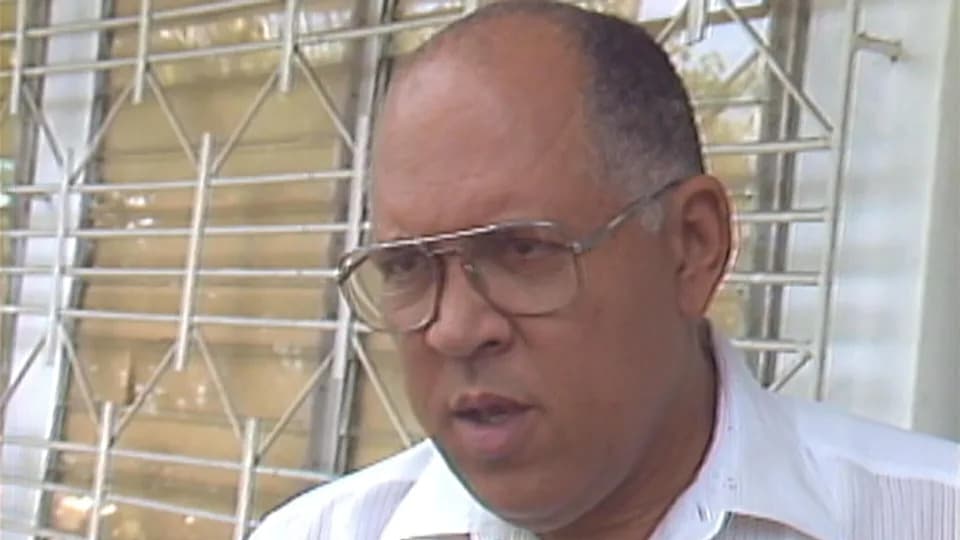
Anderson Cooper's high school math teacher Yves Volel. Volel ran for president of Haiti in 1987. He was assassinated while speaking to the media outside of a police station. / Credit: CBS Evening News
Anderson Cooper revisits his long relationship with Haiti — from memories of his high school algebra teacher, Yves Volel, to decades of frontline reporting in a country now wracked by violence and instability. In a 60 Minutes Overtime report filmed at the Have Faith Haiti orphanage in Port-au-Prince, Cooper documents both the human resilience he has seen and the profound dangers that have overtaken the capital.
Have Faith Haiti: A Shelter Inside a Siege
Hidden inside a fortified compound in Port-au-Prince, the orphanage Have Faith Haiti, founded by author Mitch Albom, offers food, shelter and schooling to children from the most desperate backgrounds. The program reports measurable success: 17 students have graduated from the orphanage school and earned scholarships to colleges and universities in the United States. Albom tells Cooper the goal is to prepare "the next generation in Haiti that can hopefully change things." During the report, gunfire was audible beyond the orphanage walls and students described bullets once skimming the courtyard.
A Personal Connection: Yves Volel
Cooper traces his interest in Haiti back to one of his teachers at The Dalton School in New York City in the mid-1980s: Yves Volel, a Haitian-born activist and educator who returned home to run for president in 1987. Volel publicly criticized the interim military-backed government and survived apparent assassination attempts, including a July 1987 incident in which his car was riddled with bullets. On Oct. 13, 1987, while speaking to reporters outside a police station, Volel was shot and killed — a watershed event for the young Cooper.
"To see and hear somebody I knew so well, my math teacher, be assassinated… it continued my desire to learn more about Haiti," Cooper says.
Reporting Through Decades of Upheaval
Cooper has reported from Haiti across many of its major crises. In September 1994 he covered Operation Uphold Democracy, the U.S.-backed effort that returned the exiled, democratically elected president Jean-Bertrand Aristide to power and removed the Raoul Cédras regime. He later reported on the devastating January 2010 earthquake, staying six weeks to document rescue efforts, survival stories and large-scale loss of life. Cooper recalls scenes of people digging through rubble with bare hands and following trucks that transported the dead to mass graves.
The Current Security Crisis
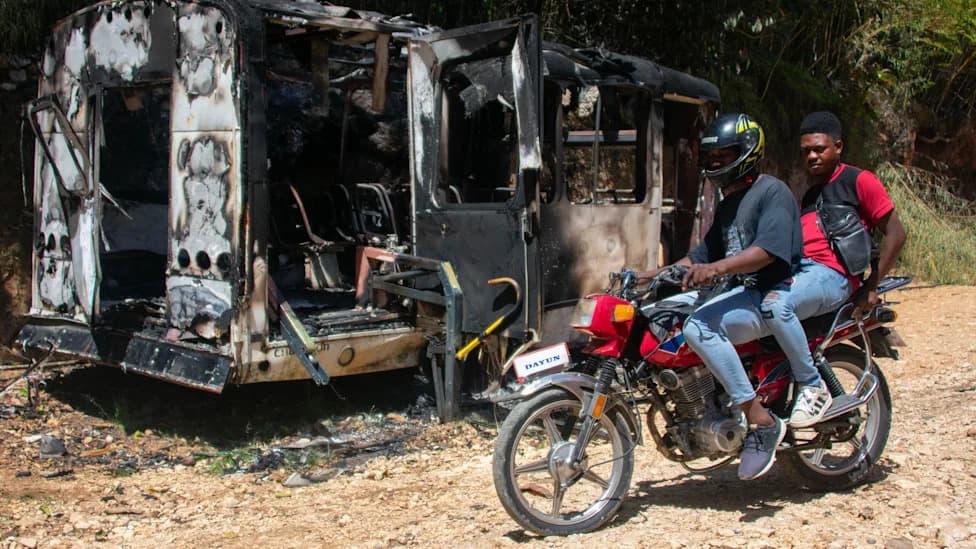
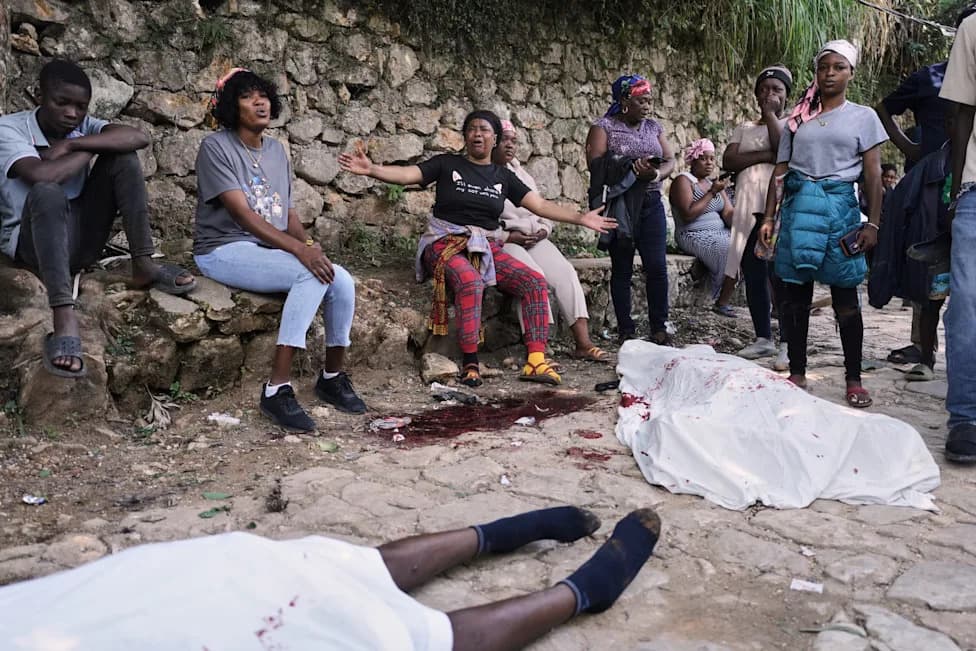
Today, Cooper reports, as much as 90% of the Port-au-Prince metropolitan area is estimated to be controlled by gangs. The United Nations estimates that more than a million people have been displaced by violence. Rapes, robberies and killings are widespread; many neighborhoods have become inaccessible. "The security situation in Haiti is completely out of control," Cooper tells 60 Minutes Overtime.
Reporting Under Fire
Because commercial flights from the U.S. cannot currently land in Port-au-Prince, Cooper and the 60 Minutes team flew into Cap-Haitien and reached the capital by helicopter. They used armored vehicles, bulletproof vests, and heavily armed Haitian security personnel. For a short on-street segment they were escorted by roughly a dozen armed guards, filmed for five minutes, and departed immediately — a method Cooper describes as standard practice when working in active, dangerous zones.
Resilience Amid Violence
Alongside the violence, Cooper highlights the resilience he has witnessed: survivors pulled from earthquake rubble, communities gathering for church services in the midst of chaos, and Have Faith Haiti students who dream of returning to rebuild their homeland. Sixteen students on U.S. scholarships were staying at Mitch Albom's home during winter break and expressed a strong commitment to Haiti's future, with some aiming for public service careers.
"In the midst of gang violence in Haiti... life goes on. And life thrives," Cooper says, reflecting on both the country's hardships and its extraordinary people.
Credits: Video produced by Will Croxton; edited by Nelson Ryland; broadcast associate Jane Greeley. Video and historical photos of Anderson Cooper in Haiti (2010) courtesy of CNN. This report was first published on March 15, 2026.
Help us improve.