The Crouches spent more than a decade converting their Maryland yard into native habitat, only to be ordered by their HOA to replace it with turf. Their legal challenge helped shape Maryland’s low-impact landscaping law, which allows certain turf mandates and pollinator-garden bans to be treated as "unreasonable limitations." Research shows HOA rules often prioritize uniform lawns over sustainability, blocking solar, clotheslines and native-plant yards. Several states are moving to limit HOA restrictions and promote water-wise, wildlife-friendly landscaping.
Couple’s Native Garden Fight With HOA Helps Curtail Turf Mandates in Maryland
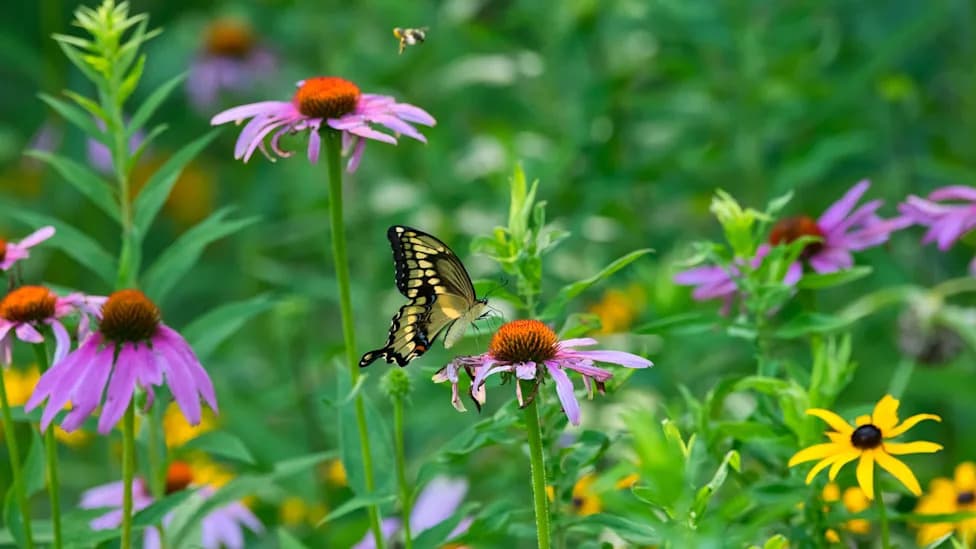
Photo Credit: iStock
Janet and Jeff Crouch spent more than a decade transforming their Maryland yard into a thriving habitat for birds, bees and pollinators. Their homeowners association ordered them to tear out the native plantings and replace them with a conventional turf lawn — a demand that launched a costly legal battle with far-reaching consequences.
From Backyard Dispute to State Policy Change
The Crouches’ case drew attention to how homeowners associations (HOAs) can limit environmentally minded home improvements. The dispute helped inform Maryland’s low-impact landscaping law, which allows HOA rules that require turfgrass or ban pollinator gardens and xeriscaping to be evaluated as "unreasonable limitations."
Why This Matters Beyond One Yard
HOAs govern roughly one-third of existing U.S. homes and about two-thirds of newly built houses, so their covenants can quietly shape neighborhood design, energy use and local biodiversity. Similar conflicts have arisen in states such as Utah, Texas and Virginia, and disputes have also centered on rooftop solar and electric-vehicle chargers.
Research shows many HOA rules prioritize visual uniformity over sustainability. A review of 31 Michigan HOA rulebooks found about one-third limited at-home energy generation like solar or wind, a quarter prohibited clotheslines, and almost half required regular lawn upkeep. Such provisions reinforce water-intensive turf norms and can block cost-saving improvements.
Environmental And Financial Consequences
Traditional turfgrass lawns demand frequent watering, mowing and fertilizer, yet provide little habitat for birds, bees and butterflies. In drought-prone or warming regions, mandatory lawns can place added stress on local water supplies and increase household maintenance costs. Conversely, native-plant yards and xeriscaping typically reduce water use, lower upkeep costs and boost local biodiversity.
Policy Responses Around The U.S.
Several states have begun limiting HOA power when covenants conflict with environmental goals. Maryland, Maine, Florida and Illinois have passed laws protecting low-impact or native landscaping. California courts have overturned HOA bans on drought-tolerant plants, artificial turf and other measures that force traditional turf lawns. Separately, Michigan, Minnesota, Arizona and Delaware prohibit HOAs from banning solar panels, and 19 states protect outdoor clotheslines with "right-to-dry" laws.
Researchers note that HOAs need not remain obstacles; they can become bridges to greener neighborhoods. One study found that HOA rules requiring native plants produced dramatically higher native-plant coverage than nearby areas without such policies.
Practical Steps For Homeowners
Homeowners should review HOA covenants before starting landscaping or energy projects, document the environmental and cost-saving benefits of proposed changes, and pursue bylaw amendments or exemptions when needed. Working collaboratively with neighbors and boards — and using practical guides from organizations like The Conversation — can increase the chance of success.
Bottom line: The Crouches’ fight highlights how a single yard can spark legal and policy changes that shape water use, biodiversity and home upgrades across communities.
Help us improve.