The Senate voted 90-6 in the early hours of Aug. 8 to pass a continuing resolution that funds the government through December and aims to avert a shutdown ahead of the November midterms. A provision led by Sen. Susan Collins blocks an OMB rule that would let political appointees review grants, a change critics said could politicize funding for small communities and biomedical research. The broader package also includes measures funding some agencies through FY2027 and preserving trade incentives for certain African countries; the House must still approve the bill.
Senate Passes 90-6 Stopgap Funding Bill Through December, Blocks OMB Grant-Review Rule
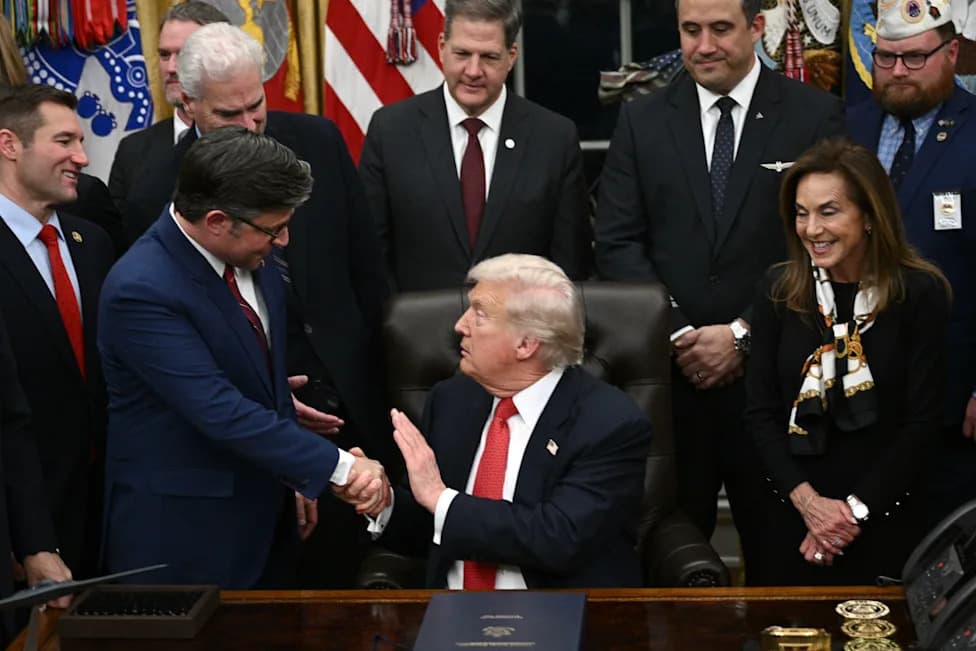
President Donald Trump shakes hands with the Speaker of the House Mike Johnson after signing the bill package to re-open the federal government in the Oval Office of the White House in Washington, DC, on Nov. 12, 2025. Congress on Wednesday ended the longest government shutdown in US history, 43 days that paralyzed Washington and left hundreds of thousands of workers unpaid while Republicans and Democrats played a high-stakes blame game. The Republican-led House of Representatives voted largely along party lines to approve a Senate-passed package that will reopen federal departments and agencies, as many Democrats fume over what they see as a capitulation by party leaders.(BRENDAN SMIALOWSKI, AFP via Getty Images)
In the early hours of Aug. 8, the Senate approved a short-term continuing resolution by a 90-6 vote to fund the federal government through December and avert a shutdown ahead of the November midterm elections.
The measure includes a high-profile provision designed to block an Office of Management and Budget (OMB) rule that would have given political appointees authority to review and approve grant awards. Republican Sen. Susan Collins, chair of the Senate Appropriations Committee, led the bipartisan effort to include the provision; she argued it would protect small and rural communities and biomedical research from politicization.
"Senate passage of this continuing resolution would be a major step toward averting a damaging shutdown that could harm vital programs and throw the lives of federal workers into disarray," Collins said on the Senate floor, describing the bill as bipartisan and supported by the Trump administration.
What the package covers:
Key Provisions
- Stopgap funding for most federal agencies through December, giving lawmakers more time to negotiate full-year appropriations.
- Provisions that fund certain agencies through Fiscal Year 2027 within the broader legislative package.
- Extensions for specific Veterans Affairs programs, continued transportation and highway authorities, and preservation of import trade incentives for some African countries.
The House of Representatives still must pass the bill before it becomes law. Senators from both parties pushed to finalize the measure ahead of the chamber's August recess and to avoid a replay of last year’s record 43-day shutdown. Lawmakers remained in session late, staying past 4 a.m. on Saturday, Aug. 8, to resolve the funding gap and confirm Todd Blanche as attorney general.
Opposition was limited but bipartisan: Republican Sens. Bill Cassidy and Rand Paul, Democratic Sens. Tim Kaine, Ed Markey and Elizabeth Warren, and independent Sen. Bernie Sanders voted against the resolution.
With the House now responsible for taking up the measure, lawmakers and stakeholders will be watching closely for any changes. If enacted, the short-term funding move is intended to provide stability for federal programs, federal employees and communities while broader spending negotiations continue.
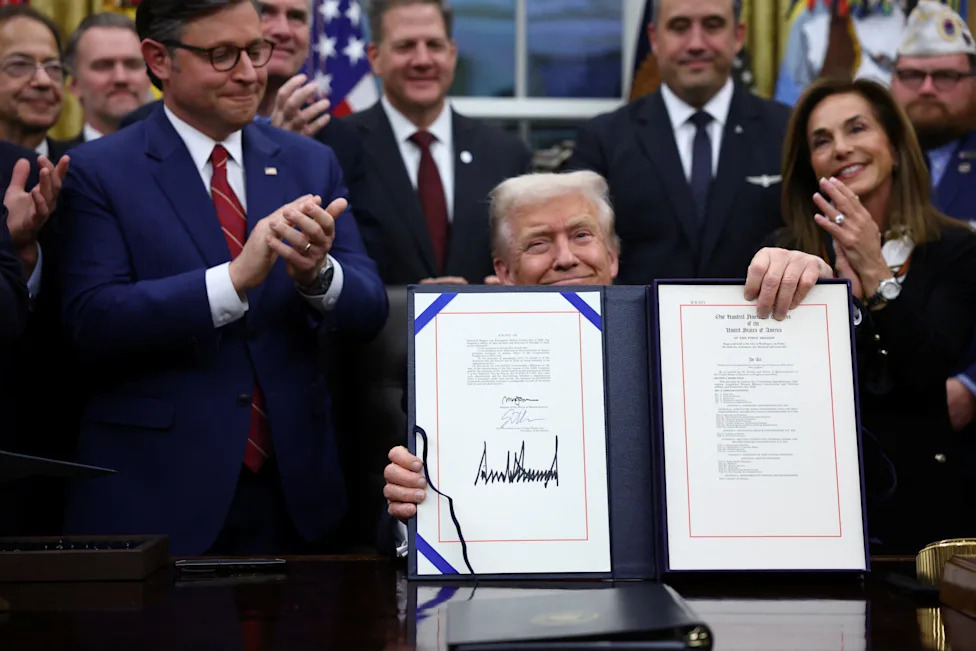
President Donald Trump signs the funding bill to end the U.S. government shutdown, at the White House in Washington, DC on Nov. 12, 2025.(Kevin Lamarque, REUTERS)
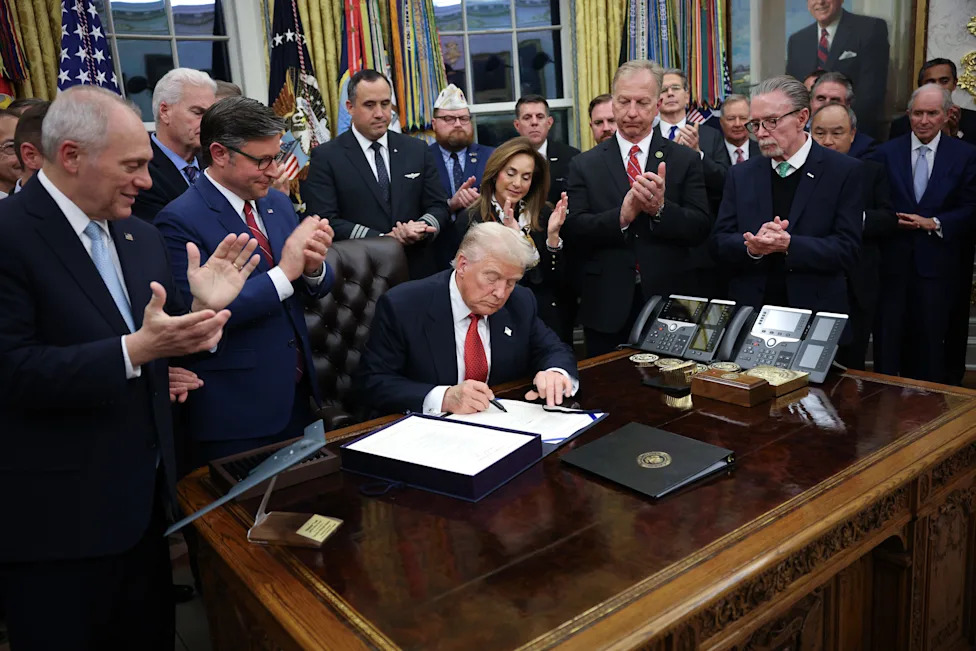
President Donald Trump signs funding legislation to reopen the federal government as he is joined by House Minority Leader Steve Scalise (R-LA), House Speaker Mike Johnson (R-LA), Republican lawmakers and business leaders, during a ceremony in the Oval Office of the White House on Nov. 12, 2025, in Washington, DC. The legislation, passed by the House tonight, funds the federal government until the end of January 2026 and ends the 43-day government shutdown, the longest in the nationÕs history.(Win McNamee, Getty Images)
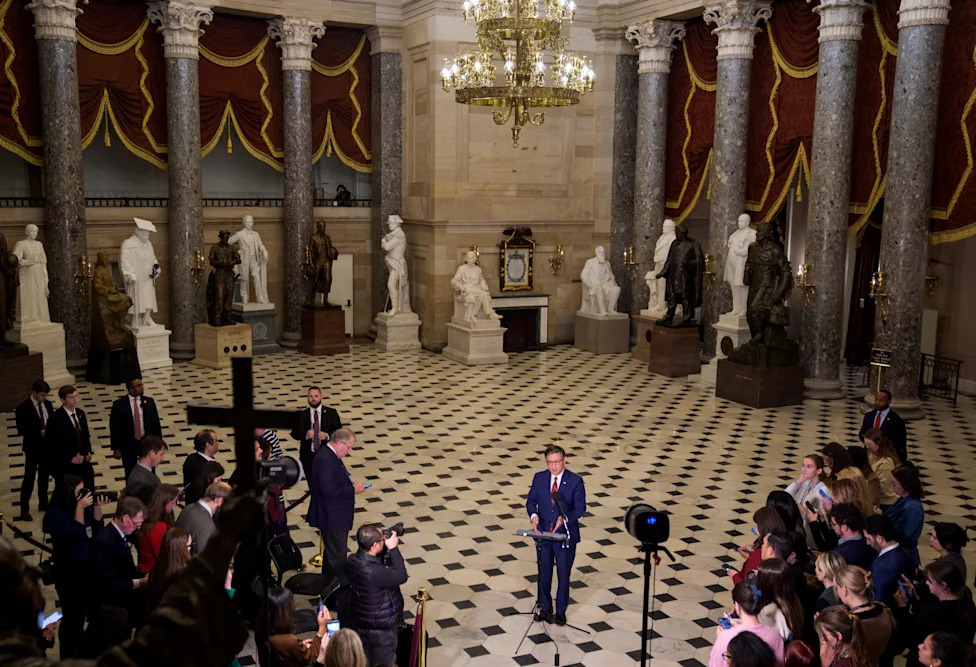
House Speaker Mike Johnson speaks to the media in Statuary Hall after the House voted 222-209 to pass the Senate's funding deal, with 216 Republicans and six Democrats supporting the bill, and two Republicans and 207 Democrats opposed, after 43 days of shuttered government and unpaid federal workers, on Wednesday, Nov.12, 2025.(Jack Gruber, USA TODAY)
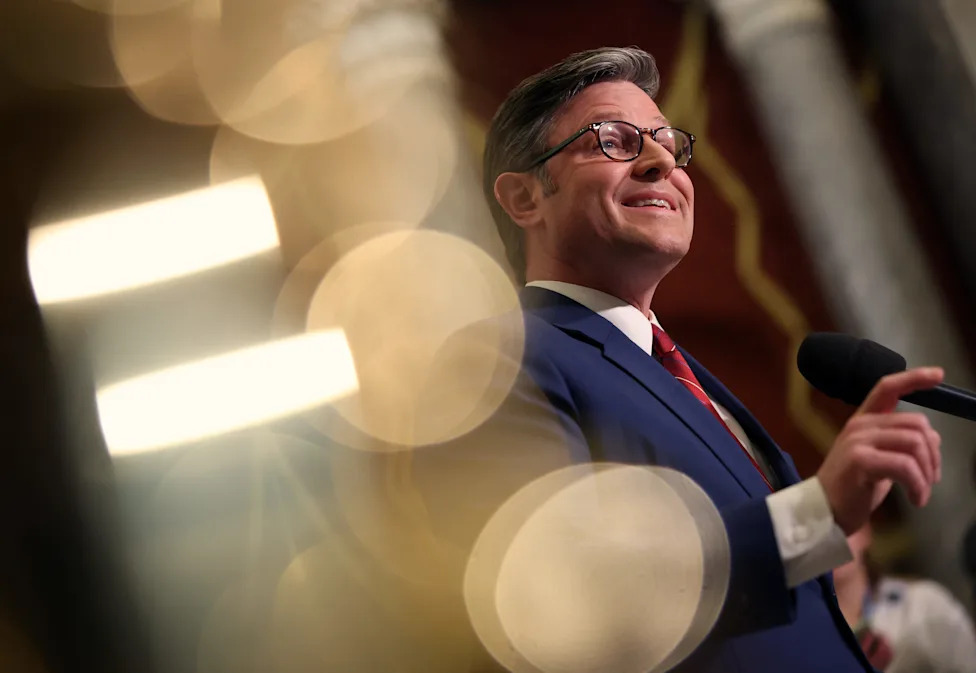
U.S. House Speaker Mike Johnson (R-LA) holds a news conference after the House passed funding legislation to reopen the federal government, at the Capitol on Nov. 12, 2025 in Washington, DC. The House voted 222-209 to approve Senate-passed legislation that funds the government through the end of January 2026, reopening the government and ending the 43-day shutdown, the longest in American history.(Tom Brenner, Getty Images)
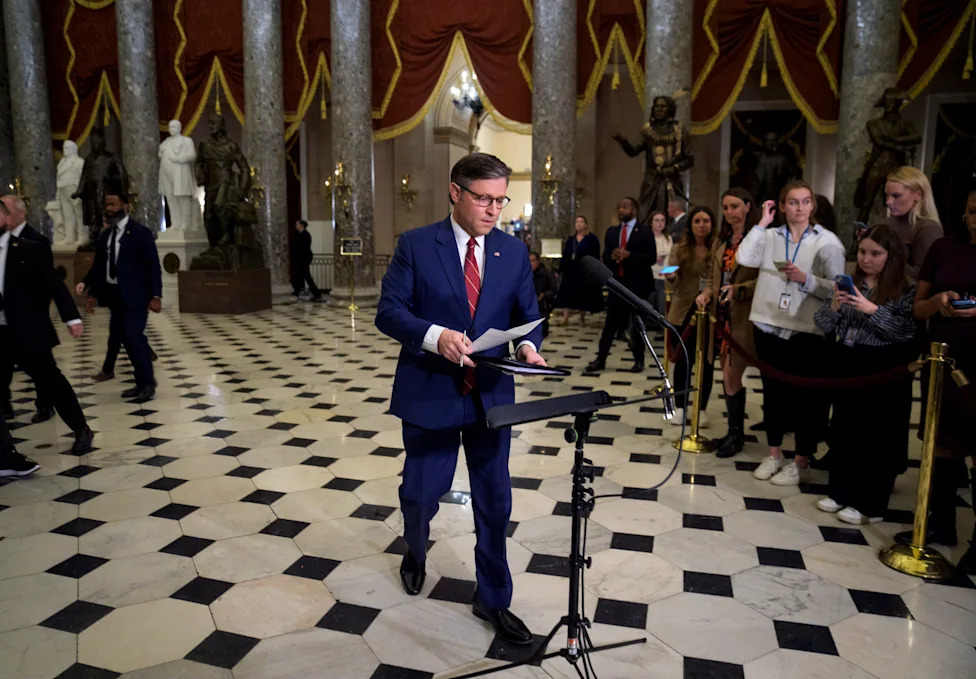
House Speaker Mike Johnson arriving to speak to the media in Statuary Hall after the House voted 222-209 to pass the Senate's funding deal, with 216 Republicans and six Democrats supporting the bill, and two Republicans and 207 Democrats opposed, after 43 days of shuttered government and unpaid federal workers, on Wednesday, Nov. 12, 2025.(Jack Gruber, USA TODAY)
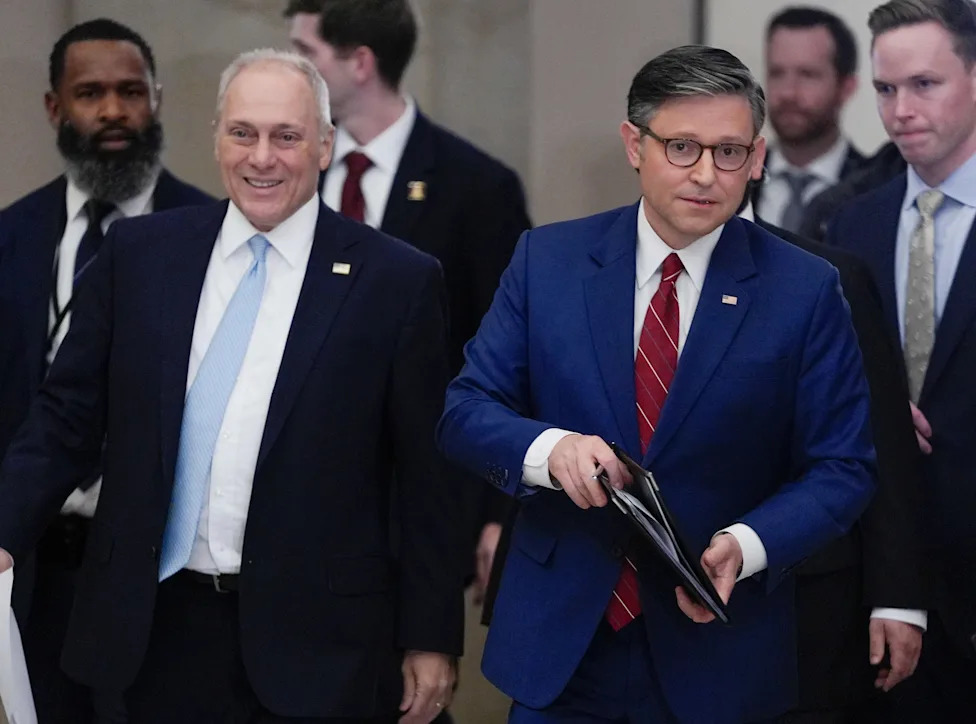
House Speaker Mike Johnson, right, walks from the House floor with House Majority Leader Steve Scalise (R-LA), left, to speak with the media in Statuary Hall immediately after the House voted 222-209 to pass the Senate's funding deal, with 216 Republicans and six Democrats supporting the bill, and two Republicans and 207 Democrats opposed, after 43 days of shuttered government and unpaid federal workers, on Wednesday, Nov. 12, 2025.(Jack Gruber, USA TODAY)
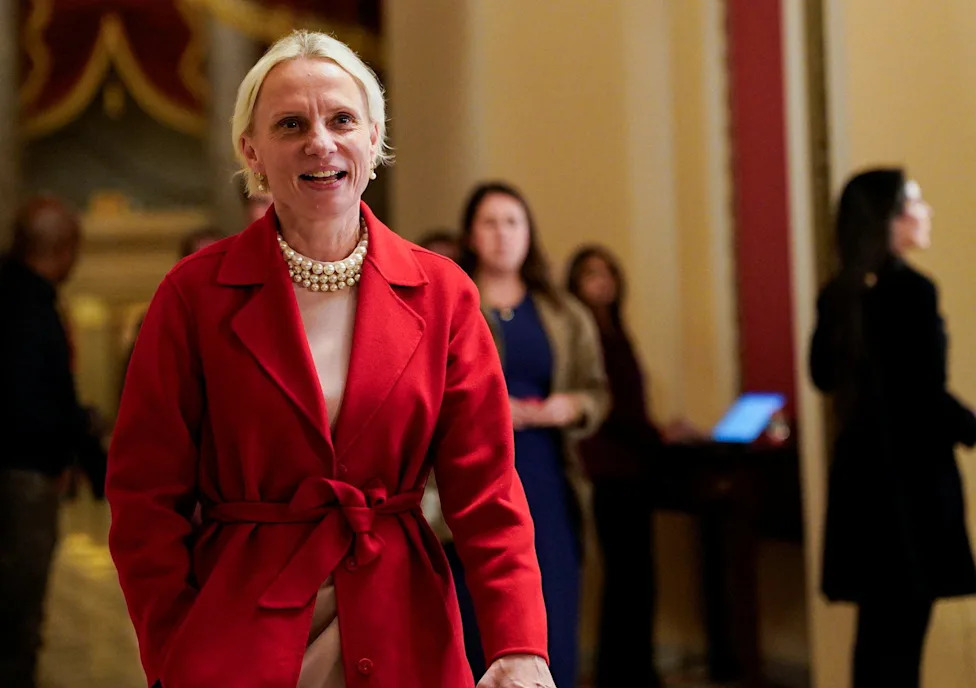
U.S. Representative Victoria Spartz arrives during a series of votes in the U.S. House of Representatives that could bring the longest U.S. government shutdown in history to a close, on Capitol Hill in Washington, DC on Nov.12, 2025.(Elizabeth Frantz, REUTERS)
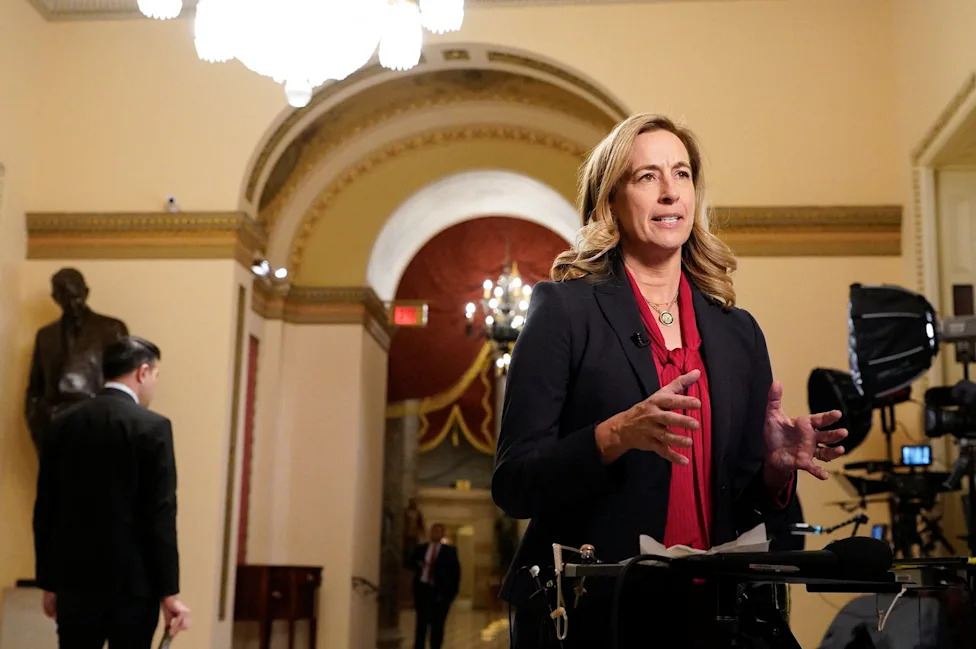
U.S. Representative and New Jersey Governor-elect Mikie Sherrill gives a television interview during a series of votes in the U.S. House of Representatives that could bring the longest U.S. government shutdown in history to a close, on Capitol Hill in Washington, DC on Nov.12, 2025.(Elizabeth Frantz, REUTERS)
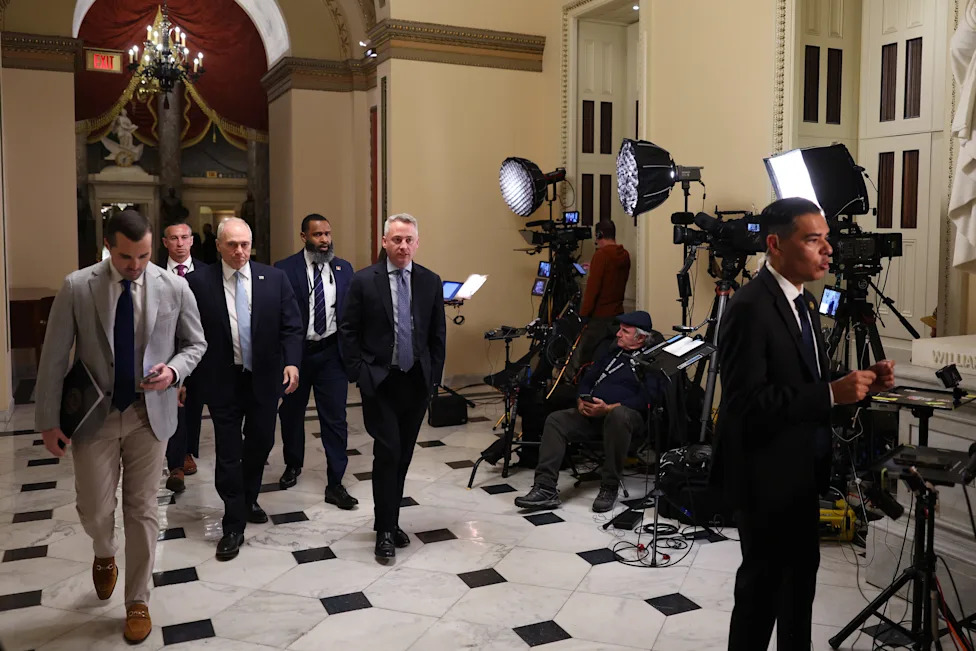
House Majority Leader Steve Scalise (R-LA) (2nd-L) walks to the House Chamber on Nov. 12, 2025 in Washington, DC. The House of Representatives is expected to vote on Senate-passed legislation that funds the government through the end of January 2026, reopening the government and ending the 43-day shutdown, the longest in American history.(Tom Brenner, Getty Images)
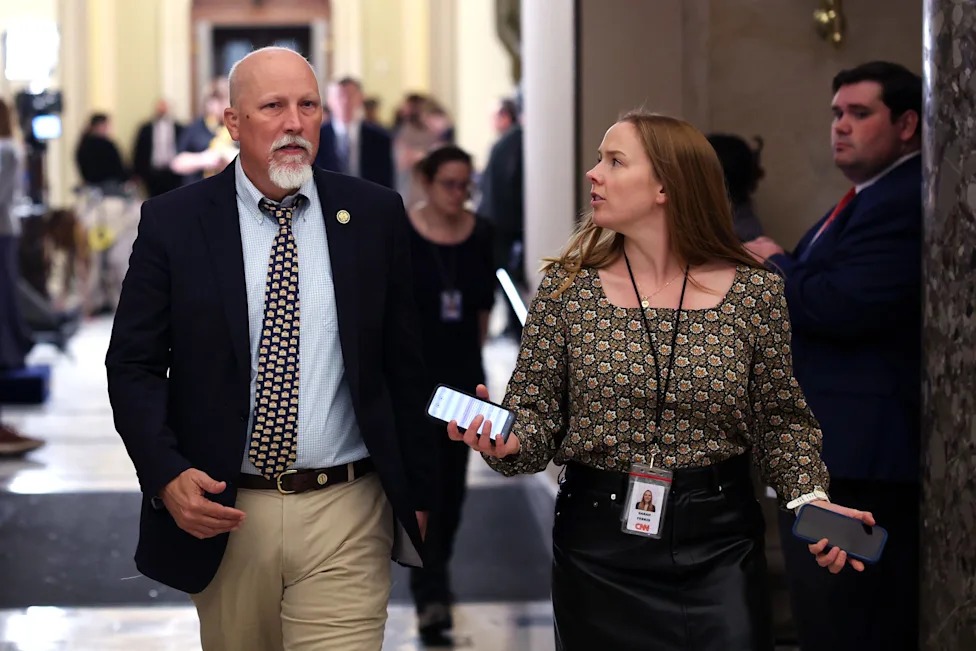
U.S. Rep. Chip Roy (R-TX) (L) speaks to the media as he exits the House Chamber at the U.S. Capitol on Nov. 12, 2025 in Washington, DC. The House of Representatives is expected to vote on Senate-passed legislation that funds the government through the end of January 2026, reopening the government and ending the 43-day shutdown, the longest in American history.(Tom Brenner, Getty Images)
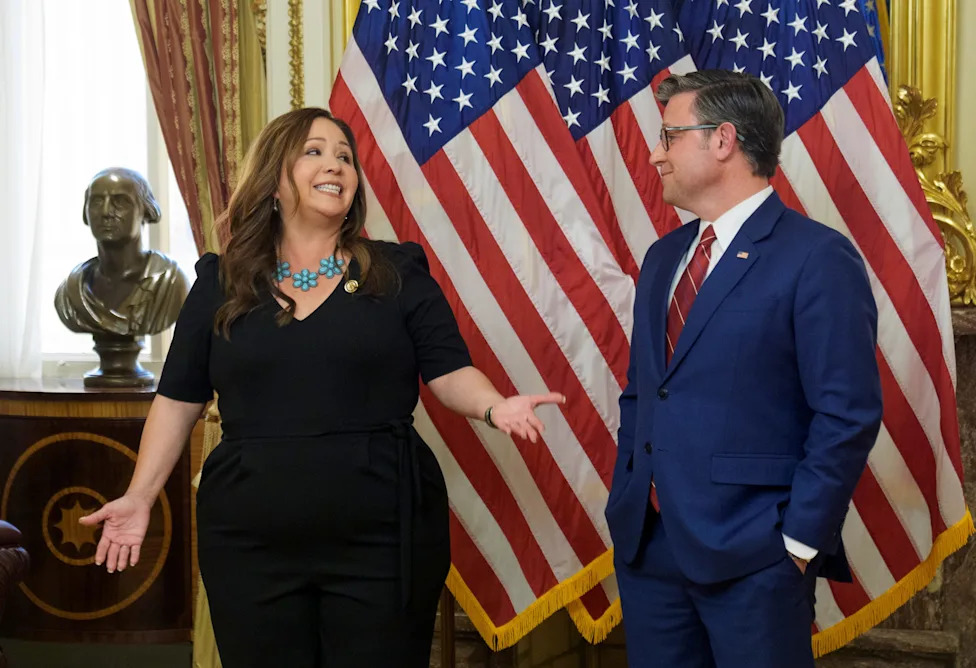
House Speaker Mike Johnson, right, speaking with Rep. Adelita Grijalva (D-AZ) after a ceremonial swearing of at the United States Capitol on Nov. 12, 2025, following the official swearing in on the House floor on Wednesday, Nov. 11. 2025.(Jack Gruber, USA TODAY)
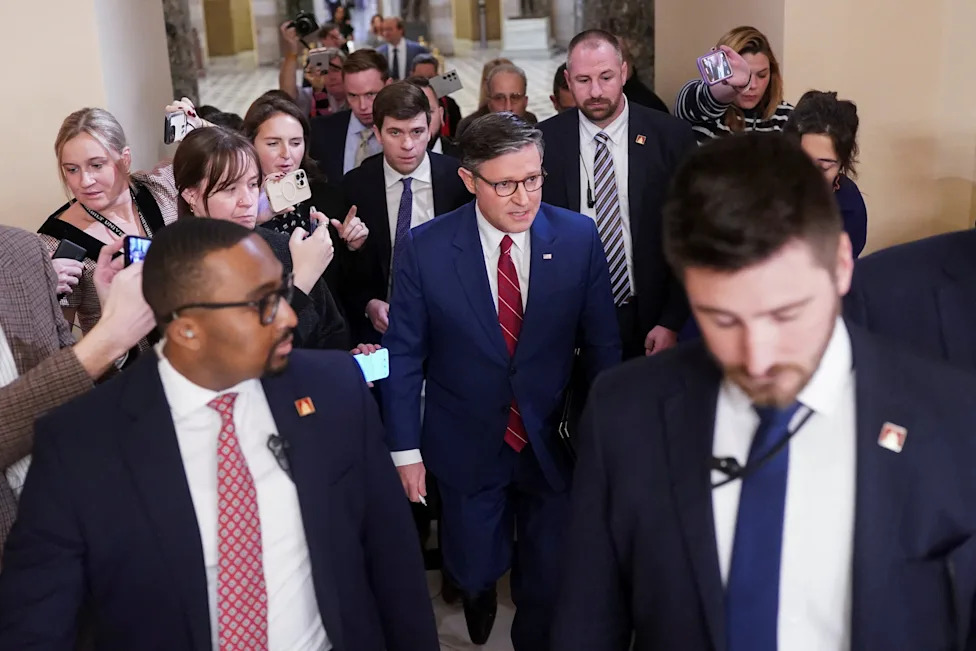
U.S. Speaker of the House Mike Johnson (R-LA) walks surrounded by the media, as members of the U.S. House of Representatives returned to Washington after a 53-day break, for a vote that could bring the longest U.S. government shutdown in history to a close, on Capitol Hill in Washington, DC on Nov. 12, 2025.(Nathan Howard, REUTERS)
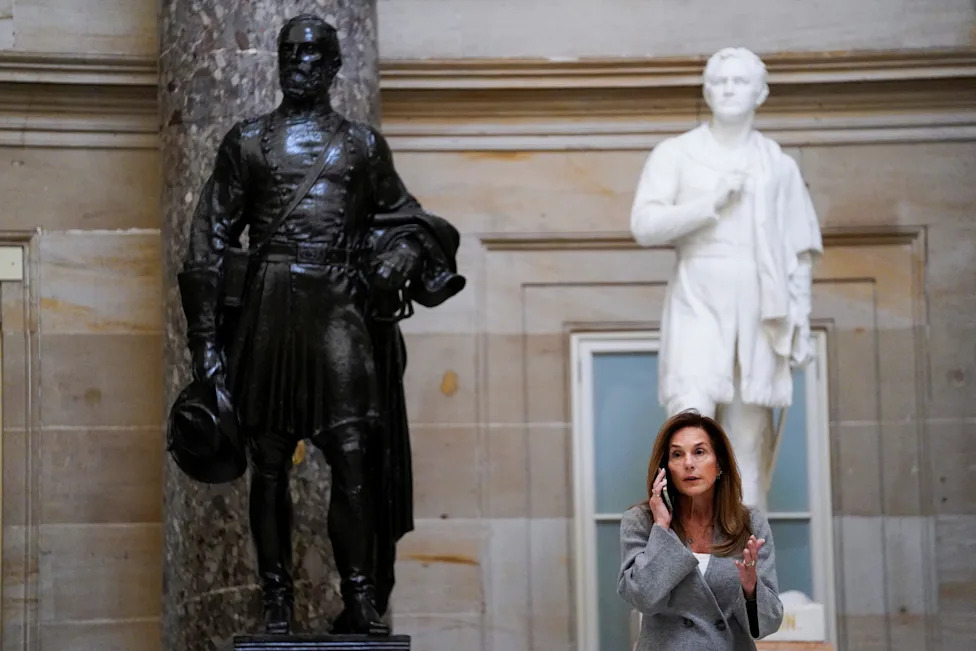
House Republican Conference Chairwoman Lisa McClain (R-MI) talks on the phone, as members of the U.S. House of Representatives returned to Washington after a 53-day break, for a vote that could bring the longest U.S. government shutdown in history to a close, on Capitol Hill in Washington, DC on Nov. 12, 2025.(Nathan Howard, REUTERS)
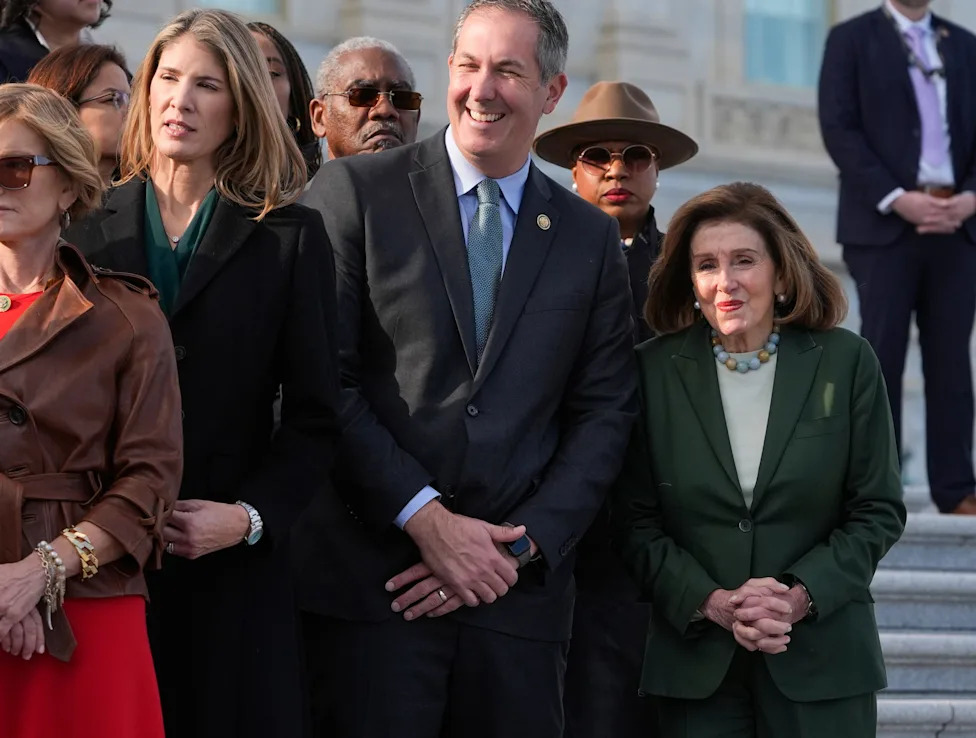
Nancy Pelosi, Speaker Emerita of the U.S. House of Representatives, right, stands with members as Democratic House Leader Hakeem Jeffries leads a press conference on the House Steps at the United States Capitol on Nov. 12, 2025, as members return after a 54-day break, before House lawmakers take up legislation that would end the longest government shutdown in American history and vote on the Senate-passed spending deal.(Jack Gruber, Jack Gruber-USA TODAY)
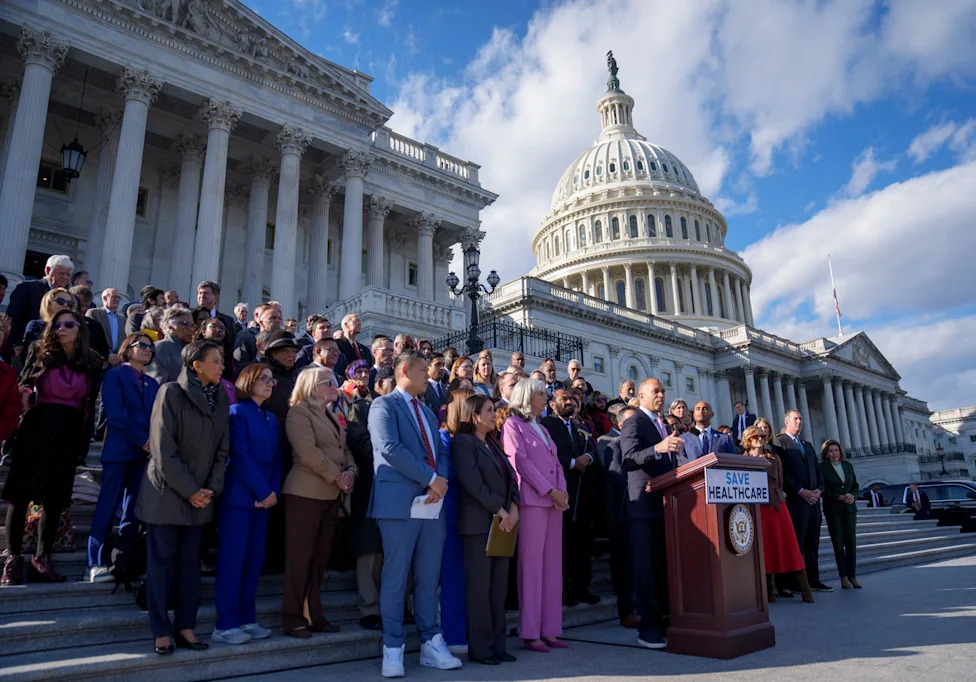
Democratic House Leader Hakeem Jeffries leads a press conference on the House Steps at the United States Capitol on Nov. 12, 2025, as members return after a 54-day break, before House lawmakers take up legislation that would end the longest government shutdown in American history and vote on the Senate-passed spending deal(Jack Gruber, USA TODAY)
Help us improve.