
More than 178,000 migrants have left South Africa in recent months amid a government crackdown and waves of anti-immigrant unrest. Zimbabwe and Malawi recorded the largest return flows, while about 19,000 people were officially deported by South Africa since April. Aid groups warn of major humanitarian risks, including disrupted HIV treatment and thousands of children pulled out of school, and regional diplomatic tensions have risen. South Africa's president condemned violence and pledged stronger enforcement and new immigration courts.
Over 178,000 Migrants Leave South Africa Amid Crackdown and Anti-Immigrant Violence
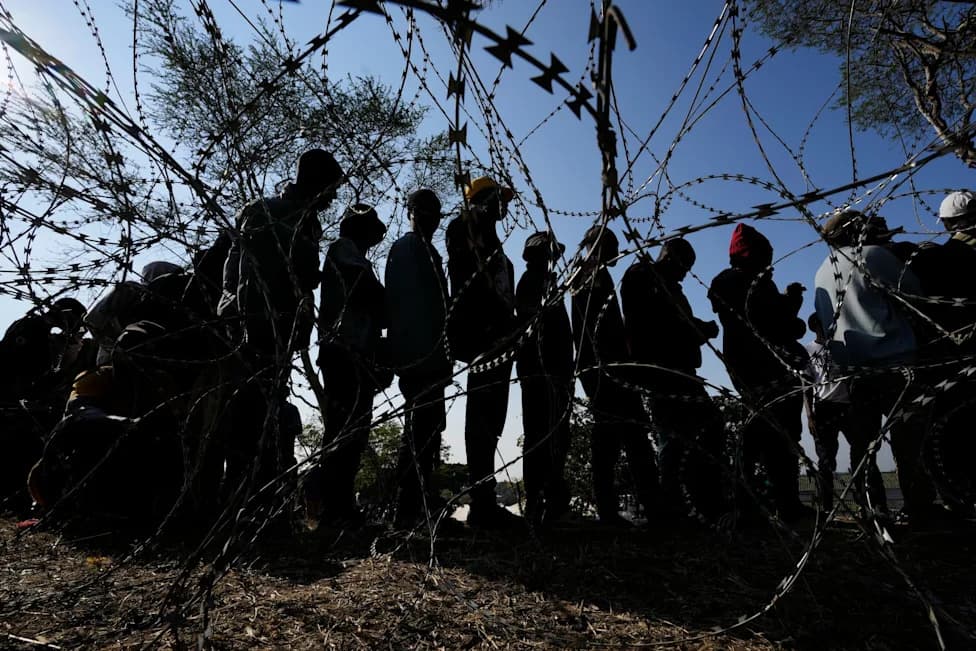
FILE - Malawian migrants stand in a queue for their deportation at a temporary centre, in Durban, South Africa, on June 18, 2026. (AP Photo/Themba Hadebe, file)(AP Photo/Themba Hadebe)
More than 178,000 migrants from other African countries have returned home from South Africa in recent months after a government crackdown on undocumented migration and waves of sometimes-violent anti-immigrant protests that prompted many to flee for fear of attacks.
Numbers and Origins
Figures compiled by migrants' home governments show the largest return flows: Zimbabwe reported more than 115,000 returnees since late May, while Malawi recorded over 56,000. Nigeria, Ghana, Mozambique and Lesotho each reported more than 1,000 citizens returning. South Africa has acknowledged it officially deported about 19,000 people since April.
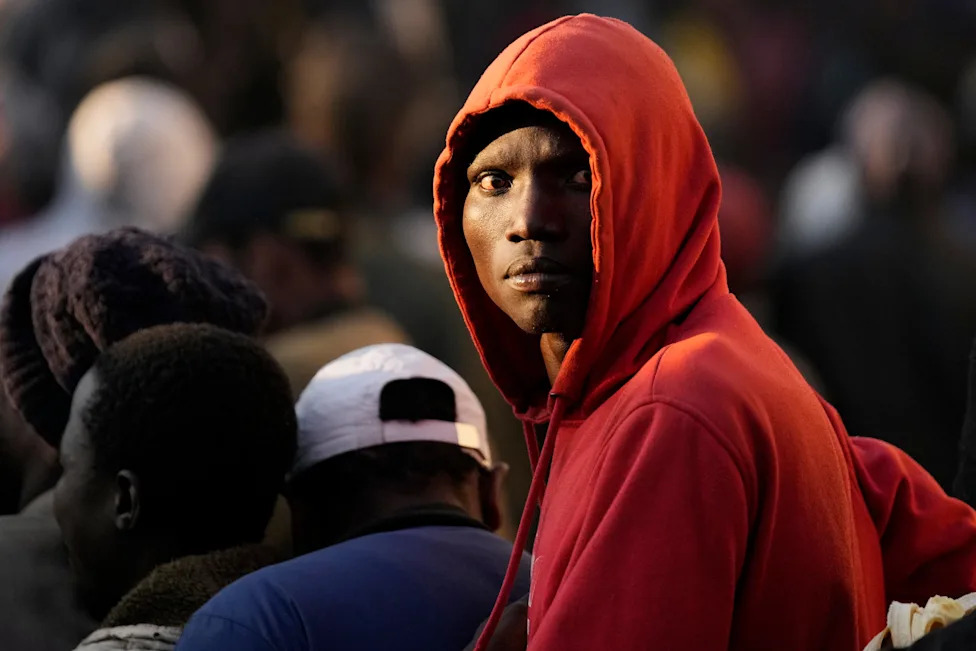
FILE - A Malawian migrant stands in a queue ahead deportation at a temporary centre in Durban, South Africa, Friday, June 19, 2026. (AP Photo/Themba Hadebe, file)(AP Photo/Themba Hadebe)
How Returns Took Place
Returns include formal deportations and larger numbers of people who accepted repatriation offers from South Africa or from their home countries. Some movements were spontaneous as migrants fled threats and unrest, while others were organized through repatriation programs.
Humanitarian Concerns
Humanitarian groups warn of serious protection risks. Thousands of children were pulled out of school, and many migrants — including people on HIV treatment — left without medications or medical records. Doctors Without Borders (MSF) set up clinic tents at Zimbabwe's Beitbridge border post to treat traumatized returnees and provide HIV and chronic-care medications.
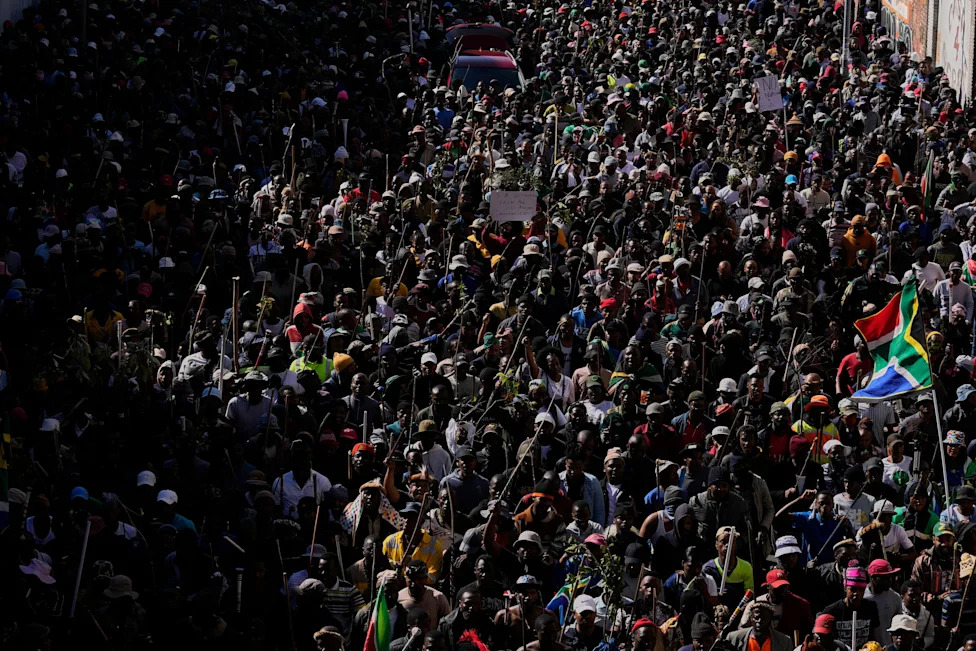
FILE - Protesters march against illegal immigration, in Johannesburg, South Africa, on June 30, 2026. (AP Photo/Themba Hadebe, file)(AP Photo/Themba Hadebe)
UNICEF and the U.N. Committee on the Rights of the Child said sudden, undocumented returns heighten risks of violence, exploitation, family separation and psychological trauma for children.
Violence, Deaths and Diplomatic Fallout
Rights groups reported attacks, threats and arson against migrants' homes and businesses. Mozambique said 11 of its citizens were killed in attacks; Nigeria and Ghana also reported fatalities. South African authorities have disputed some reported tallies and said some deaths were tied to other crimes, while police investigate several incidents. The situation has strained diplomatic relations, with some African governments accusing South Africa of xenophobia and seeking regional dialogue on migration.
South Africa's Response
President Cyril Ramaphosa condemned violence against migrants while acknowledging shortcomings in immigration enforcement. The government has promised more border technology and personnel, the establishment of immigration courts to speed deportation cases, and stiffer penalties for employers who hire undocumented workers. Authorities reported about 3,000 people awaiting deportation at a detention centre near Johannesburg and said roughly 6,300 inspectors have been deployed nationally to check workplaces.
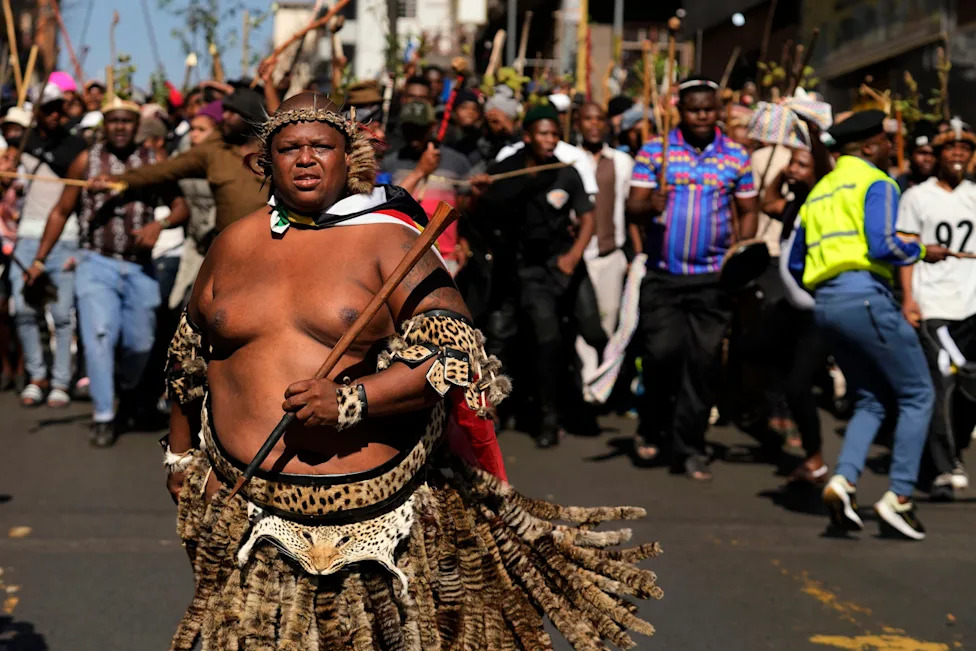
FILE - A protester dressed traditional attire marches against illegal immigration, in Johannesburg, South Africa, June 30, 2026. (AP Photo/Themba Hadebe, File)(AP Photo/Themba Hadebe)
What Comes Next
The mass returns underscore the complexity of intra-African migration and the humanitarian consequences of abrupt policy shifts and unrest. Aid agencies are calling for coordinated cross-border responses to protect children, ensure continuity of medical care, and provide psychosocial support for traumatized returnees.
Sources: Government figures from migrants' home countries, South African official statements, statements from UNICEF, the U.N. Committee on the Rights of the Child, and Médecins Sans Frontières (MSF).
Help us improve.





















