Georgia Horton, whose modelling photos were manipulated into non-consensual sexual deepfakes, is calling for tougher regulation after her former college friend Ethan Orchard was jailed for creating and sharing explicit fake images. New UK law now criminalises sexual deepfakes without consent, but Horton says legislation and industry self-regulation do not go far enough. Police uncovered a website with more than one million child sexual abuse images during the probe, and Horton urges stronger safeguards and caution when posting children's photos online.
Deepfake Victim Demands Tougher AI Rules After Ex-Friend's 'Vile' Abuse
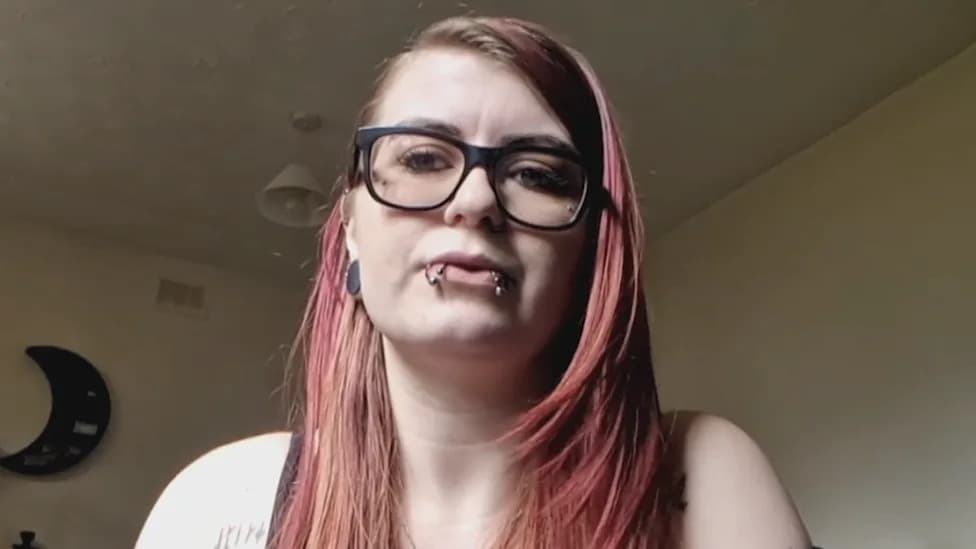
Georgia says she is speaking publicly about her ordeal to raise awareness of the "darker side" of AI [BBC]
Georgia Horton, a model whose images were taken from social media and manipulated into sexually explicit deepfake images without her consent, is urging stronger regulation of artificial intelligence (AI). She says the technology is 'dangerous' after discovering pornographic images generated from her modelling photos.
The person responsible was an old college acquaintance, Ethan Orchard of Southsea. Orchard was jailed in July for three years and four months after admitting to creating and sharing fabricated explicit images of Georgia and two other women. Police also found posts in which he shared violent, sexually explicit fantasies about the women and encouraged others to contribute abusive material.
'He would make people choose between us, or ask what they wanted to do to us,' Georgia said. 'One of the posts was, "What would you do if you had five minutes alone with her?" and it escalated from there. The worst one I saw was, "Would you save her? Would you rape her? Or would you sell her?"'
Georgia had considered Orchard a friend after attending college together in Hampshire. She is speaking publicly to highlight what she calls the 'darker side' of AI and to warn others about how easily images can be weaponised.
Legal And Industry Response
Earlier this year, new UK legislation made it a criminal offence to create sexually explicit deepfake images of a person without their consent, building on existing laws against sharing non-consensual intimate images. Georgia says the law is a welcome step but insufficient on its own.
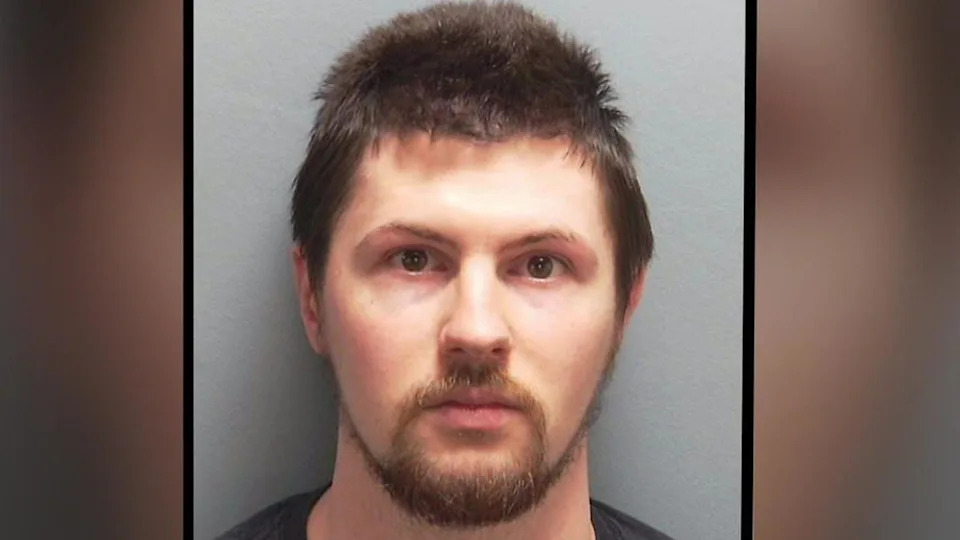
Ethan Orchard created sexualised fake images of three women he knew and was jailed for three years and four months [Hampshire Police]
'When I heard the law had been introduced, I was so relieved. My case was still going through the courts and we were all pleased to see that progress,' she said. 'But it's now come to a standstill. The technology to make these images and videos is still out there and widely available. There needs to be more regulation and much tougher safety features built into the programmes themselves.'
Georgia warns that firms' self-regulation is failing: safeguards can be bypassed with simple prompt changes, and it is becoming easier for individuals to build their own unregulated AI models.
The Department for Science, Innovation and Technology said the government takes the issue seriously, calling the creation and sharing of non-consensual sexual deepfakes 'utterly vile' and reiterating that platforms must remove abusive images and face enforcement where they fail to comply. The government has also said it requires platforms to remove non-consensual intimate images within 48 hours of a report and may hold company leaders accountable for non-compliance with Ofcom decisions on intimate image abuse.
Police Findings And Warnings For Parents
During the investigation into Georgia's case, officers uncovered a website described as 'truly horrifying' that contained more than one million child sexual abuse images. Georgia urged parents to be cautious about posting photographs of their children online, warning that a single picture can be amplified through AI to create limitless abusive content.
'Photos of children being posted online should be banned,' she said. 'There are so many predators out there and you really don't know who is seeing those pictures. The damage that can be done is enormous.'
Georgia's case highlights the gaps between criminal law, platform enforcement, and the rapid pace of AI development. She is calling for clearer regulation, stronger built-in safety features in AI systems, and better enforcement to protect people from non-consensual intimate deepfakes.
Help us improve.