Short summary: Johan Forssell, Sweden’s migration minister, argues Britain can curb Channel small-boat crossings without leaving the ECHR, pointing to Sweden’s recent package of restrictive measures that coincided with a steep fall in asylum claims and a rise in deportations. Forssell calls for targeted reform of human-rights rules to speed removal of criminals while insisting his approach complies with international law. The changes have provoked debate about rights, security and political responsibility ahead of Sweden’s elections.
How Britain Could Curb Channel 'Small Boats' — Lessons From Sweden’s Migration Turnaround
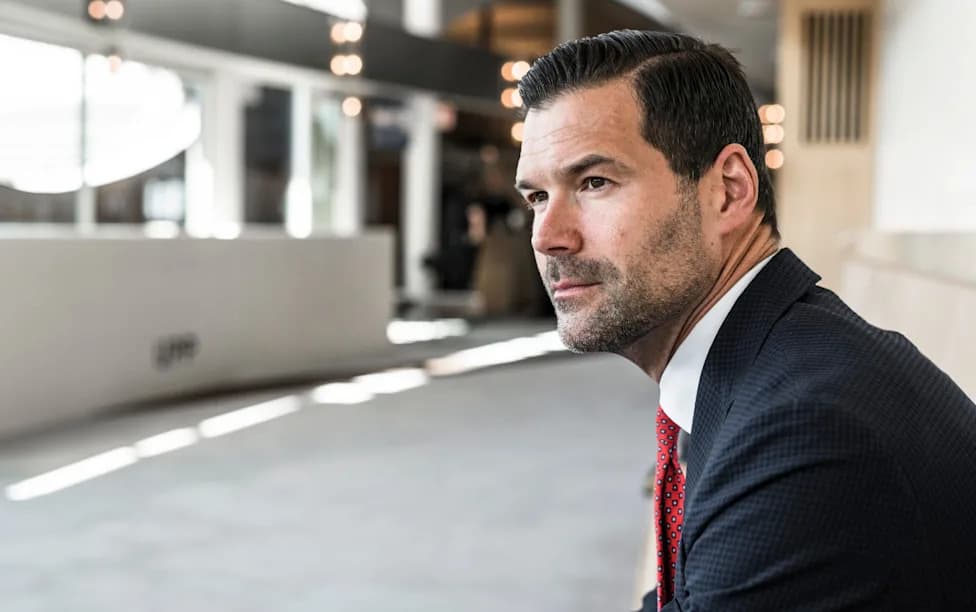
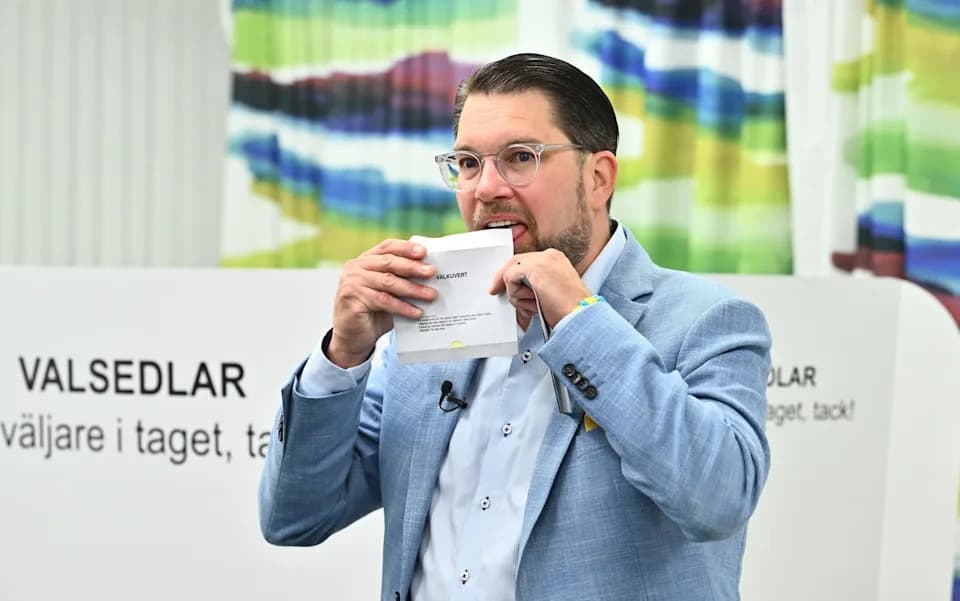
Since Johan Forsell has been migration minister, Sweden has seen more people leaving than arriving for the first time in over 50 years - Axel Adolfsson
Britain can reduce small-boat Channel crossings without abandoning the European Convention on Human Rights (ECHR), according to Johan Forssell, Sweden’s minister for migration and the architect of his country's recent restrictive migration reforms. Sweden's approach — a mix of benefit limits, stricter deportation rules and tighter reception-centre policies — has coincided with a sharp fall in asylum claims.
Sweden’s Results and Policy Package
Sweden is on course to record roughly 4,200 asylum applications in 2026-level terms — the lowest total since 1984 — after measures introduced by the centre-right coalition that took office in 2022. The government reports that deportations have risen by about 60% while new asylum claims have fallen by roughly 75% compared with previous peak years.
Forssell credits several changes for the decline: reducing benefits for those who refuse to integrate, requiring asylum seekers to stay in state-run reception centres rather than private housing, tightening family-reunification and naturalisation rules, enabling phone checks at airports for documentary evidence, and making permanent residency conditional and subject to periodic review.
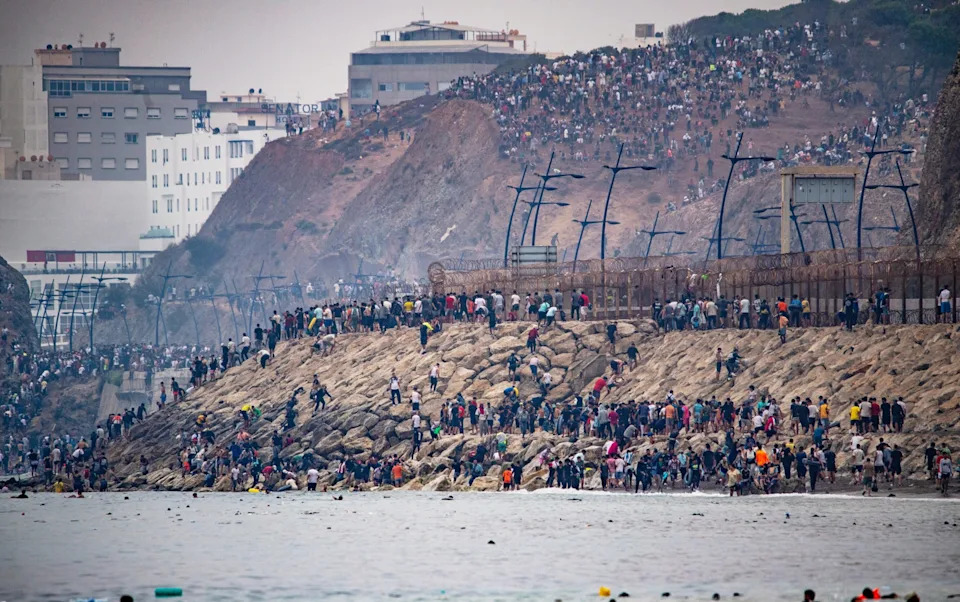
The storming of Ceuta was a warning to European countries to secure their borders, said Mr Forssell - Antonio Sempere/AP
"If you come to Sweden, you need to learn Swedish, you need to find a job, you cannot commit crimes. That is not an extreme view, is it?" — Johan Forssell
What Forssell Says Britain Could Do
Forssell told The Telegraph that Britain can take effective steps to curb Channel crossings while staying within the ECHR, though he argues the convention needs updating to prevent it being used to shield criminal offenders from deportation.
He pointed to recent incidents — including footage of people-smuggling boats and a large, coordinated arrival at Spain’s Ceuta — as reminders that the migration situation remains volatile and that European governments must secure borders and reform legal frameworks where needed.
Political Context and Controversy
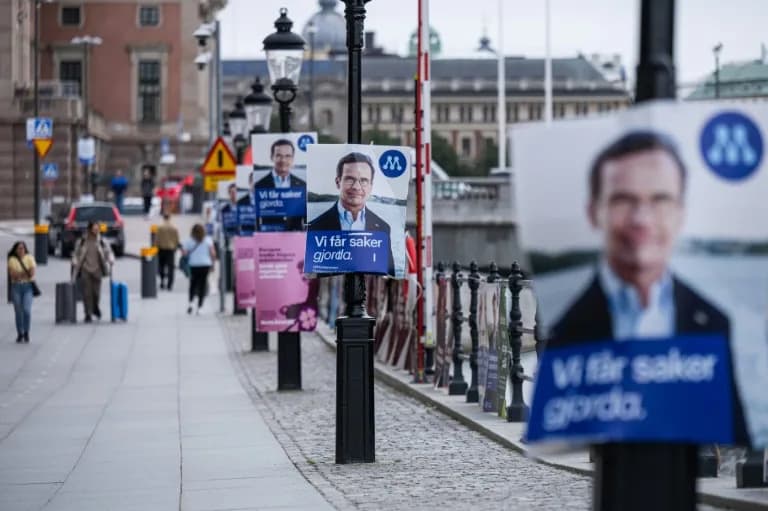
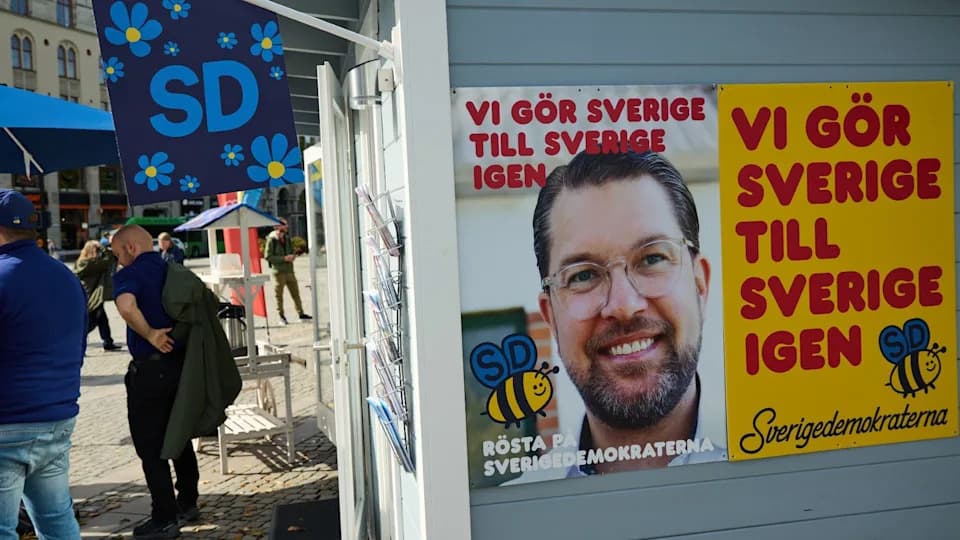
The government in Stockholm is led by Prime Minister Ulf Kristersson’s Moderates and is supported in parliament by the Sweden Democrats, a hard-right, anti-immigration party that remains formally outside the cabinet. The crackdown followed an election shaped by concern about rising violent crime, which many voters linked to gangs with immigrant backgrounds.
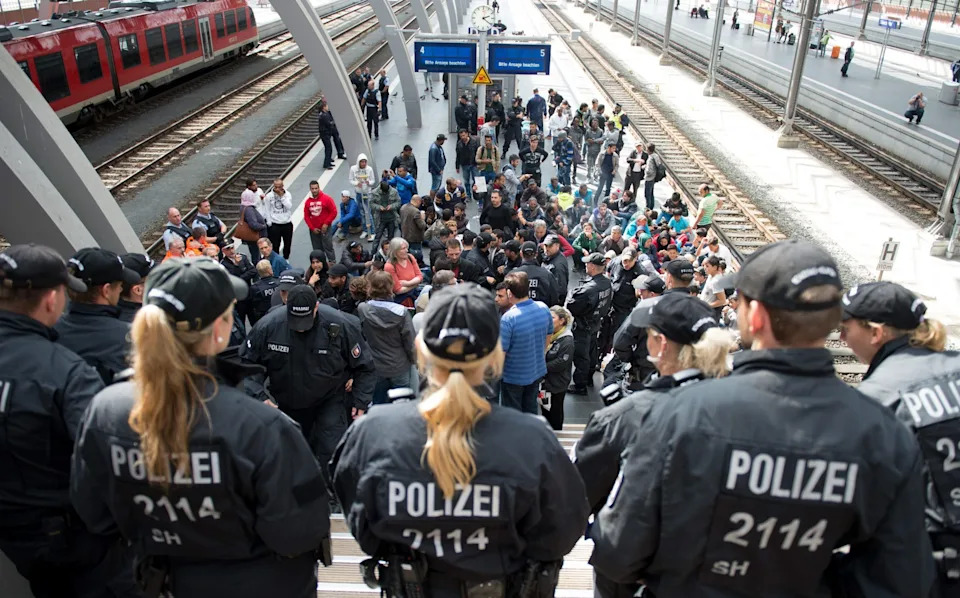
Police stop a group of refugees heading for Sweden at a station in Luebeck, Germany - Daniel Reinhardt/EPA
Forssell has faced scrutiny over revelations that his teenage son had contacts with extremist groups; the minister has rejected calls to resign and says his policies do not normalize racism nor directly fuel the Sweden Democrats’ rise.
Balance Of Rights, Security And Humanitarian Obligations
Forssell insists it is possible to reduce irregular migration and increase removals "in full accordance with international law and human rights," but he also argues for targeted reform of the ECHR and related mechanisms to allow faster deportation of convicted criminals and clearer rules on welfare eligibility for asylum claimants.
Critics warn that tougher rules can undermine rights protections and may have humanitarian costs; supporters say stricter policies restore public confidence and reduce pull factors. The debate highlights the tension between border control, international obligations and domestic politics — a debate Britain and other European states continue to navigate.
Key facts: Sweden’s policies include conditional welfare tied to integration, mandatory reception-centre placement, more frequent reviews of refugee status, tougher family-reunification rules, and measures to simplify deportation of criminals.
Help us improve.