Cape May Mayor Zachary Mullock said a recent cyberattack that locked water-department systems did not affect the city's drinking water, calling the outcome "lucky" and crediting reduced automation at the plant. Hackers altered the department's IP address, temporarily locking officials out for about 12 hours; nearby Woodbridge was also affected. The city sought help from the New Jersey Department of Environmental Protection and the state's cybersecurity task force while federal and state agencies probe incidents across at least 12 states.
Cape May Mayor: Cyberattack Locked Systems But Water Stayed Safe — "We Were Lucky"
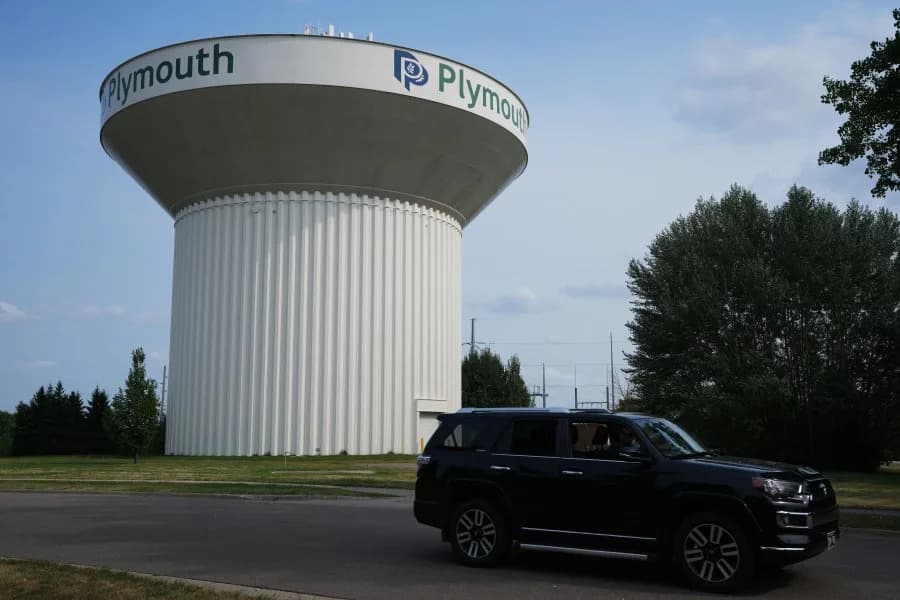
NJ mayor confirms no water quality issues in cyberattack: ‘We were lucky’
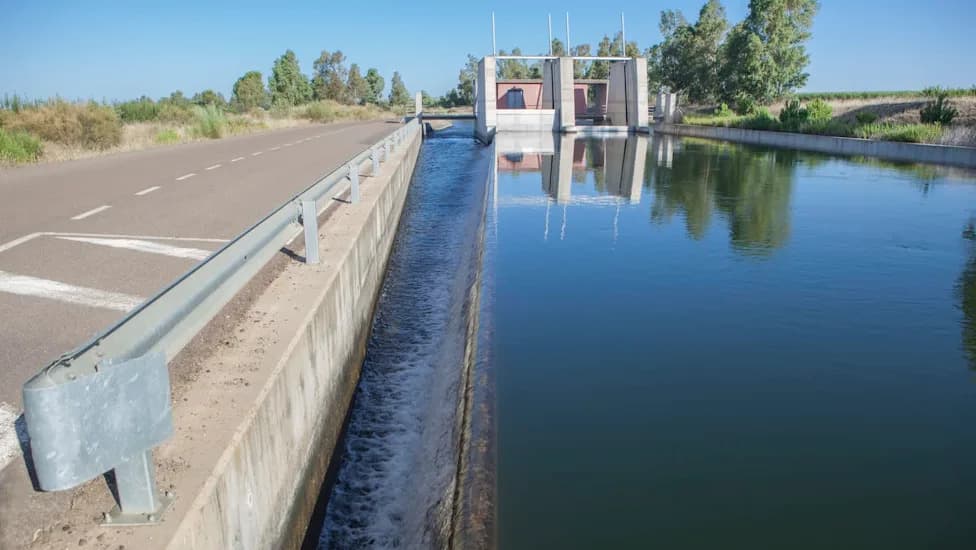
Cape May, New Jersey — Mayor Zachary Mullock told NewsNation on Friday that a recent cyberattack that disrupted local water department systems did not affect the city's drinking water quality.
"We were lucky," Mullock said. "One of the reasons for that is the steps that have been taken by our staff previously, really, to make sure the water plant has as little automation as possible."
Federal and state authorities are investigating a string of cyberintrusions targeting water and wastewater infrastructure in at least 12 states. While investigators say the attacks have disrupted operations in multiple locations, officials have not tied them to any drinking-water contamination or health problems to date.
In Cape May, hackers altered the IP address of the water department's computer system and temporarily locked out local officials, City Manager Paul Dietrich said, according to The Philadelphia Inquirer. Systems in Cape May and neighboring Woodbridge were affected for roughly 12 hours before access was restored.
After the disruption was discovered, the city immediately contacted the New Jersey Department of Environmental Protection and the state's cybersecurity task force for assistance. Mullock emphasized that smaller municipalities often depend on state and federal resources when incidents exceed local capacity.
"I have to give a lot of credit to the federal and state government for coming in right away and giving us a lot of help," Mullock said. "We are facing foreign adversaries, and we can't do this alone."
Although U.S. and state officials have not publicly attributed the attacks to a specific actor, some investigators suspect hackers with links to Iran may be involved. Mullock warned that future intrusions could be more damaging if attackers were able to take full control of treatment processes.
"If they can get control of your water plant, then [they could] stop water from being produced and getting out there," he explained. "So it's a real danger that we have to face as a nation, and do so as quickly as possible."
NewsNation reporters Josie Fischels and Alicia Sitz contributed to this report. Officials continue to investigate; residents were advised there was no evidence of contamination following the incident.
Help us improve.