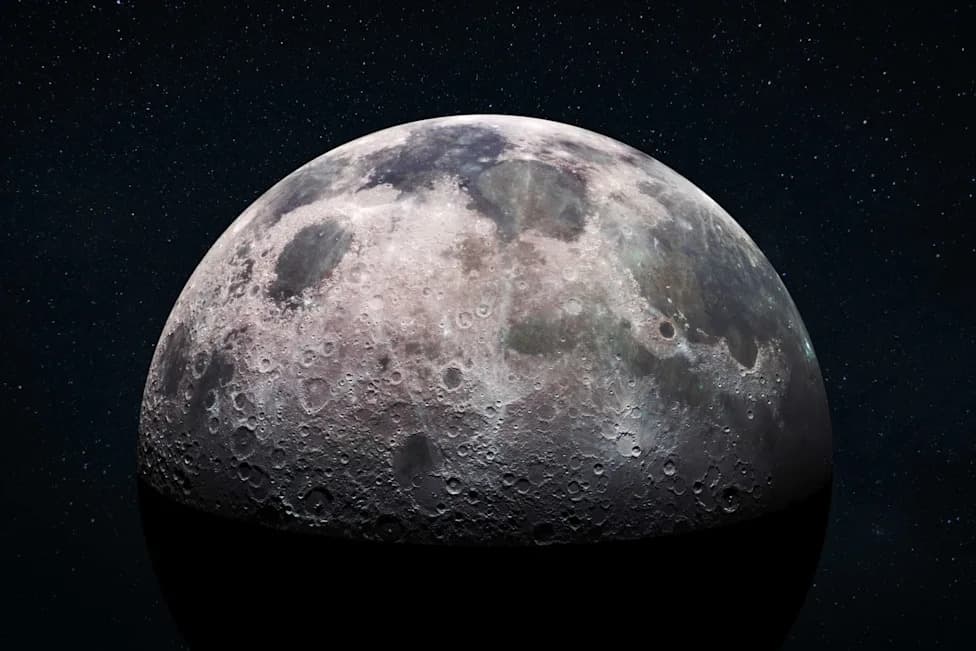
The discarded upper stage of a SpaceX Falcon 9 impacted the Moon on August 5, 2026, and scientific teams confirmed the strike through spectral observations and before-and-after orbital imagery. A short video that went viral and purported to show the collision is synthetic and has been acknowledged as fake by accounts that reshared it, including Elon Musk. No known space asset captured direct video of the impact, and attempts to verify an AI watermark were inconclusive. Experts say the incident highlights growing concerns about orbital debris and the risk of cascade collisions (Kessler syndrome).
SpaceX Upper Stage Hit the Moon — Viral Video of the Strike Is Synthetic
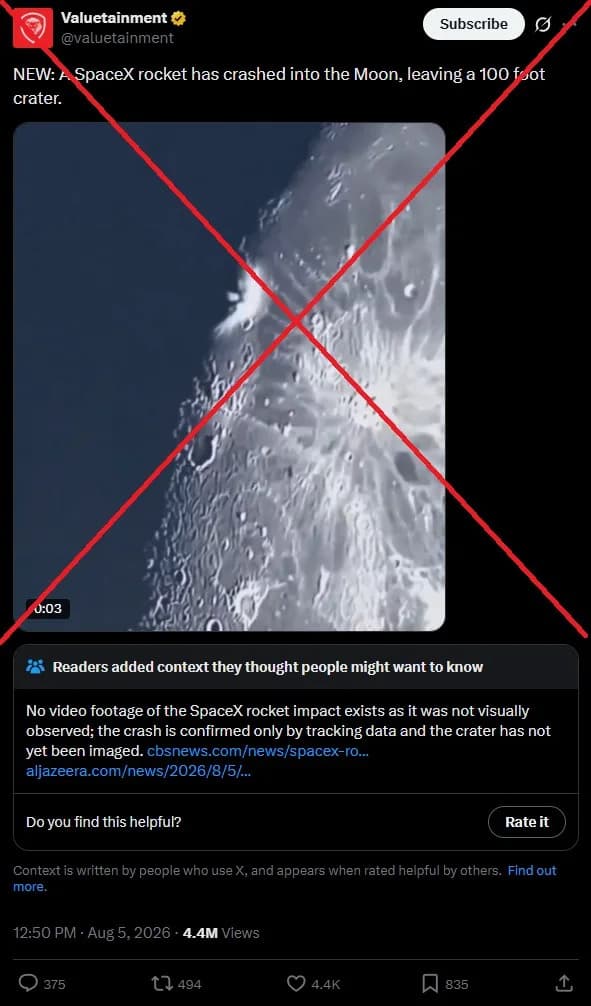
Screenshot of an X post taken August 7, 2026
Part of a SpaceX Falcon 9 upper stage did impact the Moon on August 5, 2026, but a widely shared clip that claimed to show the moment is not a real recording from space. The footage circulated rapidly across X, Facebook, Instagram, Threads and TikTok in multiple languages before being acknowledged as fake by accounts that reshared it, including Elon Musk.
What Happened
The Falcon 9 in question launched in January 2025 carrying two lunar landers. Its first-stage booster successfully returned to Earth, while the rocket's upper stage continued in space and later followed a trajectory that led to a collision with the lunar surface.
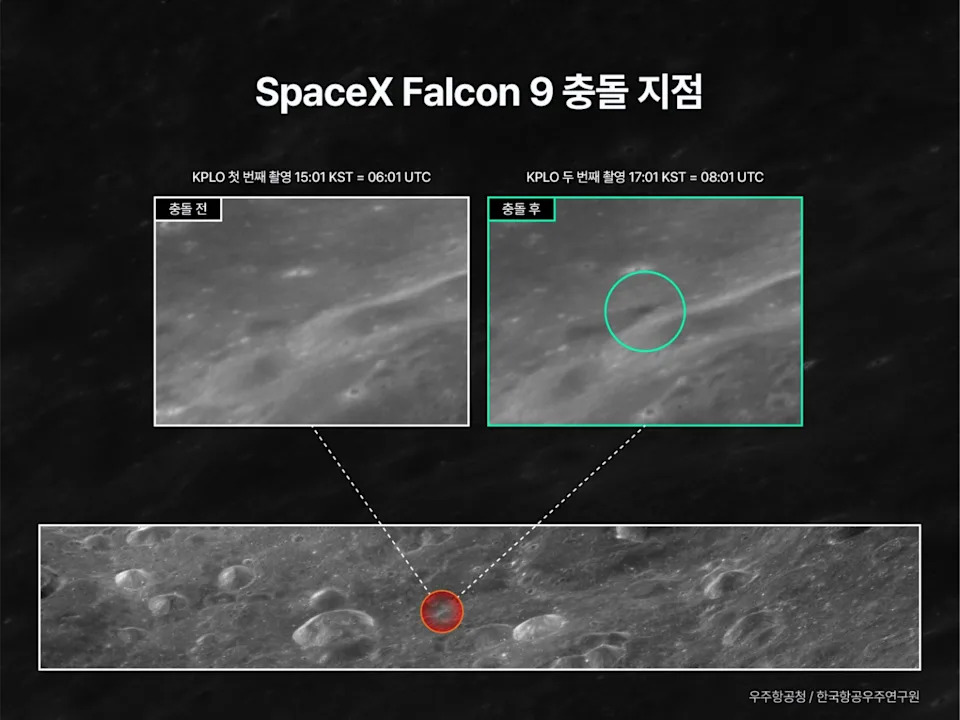
Satellite images captured by the Korea Pathfinder Lunar Orbiter on August 5, 2026 and released by the Korean AeroSpace Administration showing the surface of the moon before (L) and after the crash of the second stage of a SpaceX Falcon 9 rocketHandoutKorean AeroSpace Administration
Why The Viral Video Is Fake
Several social posts presented a short clip as direct footage of the impact. No known satellite or space asset is confirmed to have captured live video of the strike, and accounts that reshared the clip — including Valuetainment and Elon Musk — later posted that the clip was fake. X posts admitting the footage was false received far less engagement than the viral original.
“I can confirm that the impact did occur,” said Benjamin Fernando of Los Alamos National Laboratory to AFP, but he did not validate the viral video itself.
Scientific Confirmation
Independent observations confirmed the impact even though the viral clip was synthetic. The European Southern Observatory (ESO) reported that its Very Large Telescope detected spectral lines — described as chemical fingerprints — of sodium and lithium in a brief impact plume that lasted about 5–10 minutes after the collision.

Screenshot of an X post taken August 6, 2026
On August 6, South Korea's Korea Aerospace Research Institute (KARI) released before-and-after satellite images from the Korea Pathfinder Lunar Orbiter (Danuri) showing changes to the Moon's surface attributed to the impact. NASA's Lunar Reconnaissance Orbiter also planned imaging of the site to map and study the crater.
Verification Notes
The X account that shared the clip said it was AI-generated, but AFP was not able to confirm an AI origin using tools such as SynthID watermarks or other detection methods. No independent evidence has been presented that a space-based camera recorded the impact in real time.
Why This Matters
The Moon regularly endures impacts from natural meteoroids; artificial impacts are rarer. Experts say the collision posed no danger to Earth, but they warn the incident underscores a growing problem: the increasing density of defunct rockets, dead satellites and fragments in Earth orbit. That debris raises risks of re-entry and further collisions and could contribute to a cascade of collisions known as the Kessler syndrome.
Bottom line: The Moon was struck by a discarded Falcon 9 upper stage on August 5, 2026, and scientific teams confirmed the event through spectral analysis and orbital imagery. The viral video claiming to show the impact is synthetic and not a genuine space recording.
Help us improve.