New York could see its openly LGBTQ+ delegation grow from seven to 11 after the November election, prompting plans for a formal legislative caucus. Organizers including Tony Simone and Brian Romero want a staffed, funded caucus to translate legal protections into enforceable budget and policy wins, with priorities such as gender-affirming care, employment protections, and housing. They hope the caucus will both educate allies and provide coordinated political power to defend LGBTQ+ New Yorkers when issues become politically contentious.
New York's Growing LGBTQ+ Bloc Seeks Institutional Power With Proposed Legislative Caucus
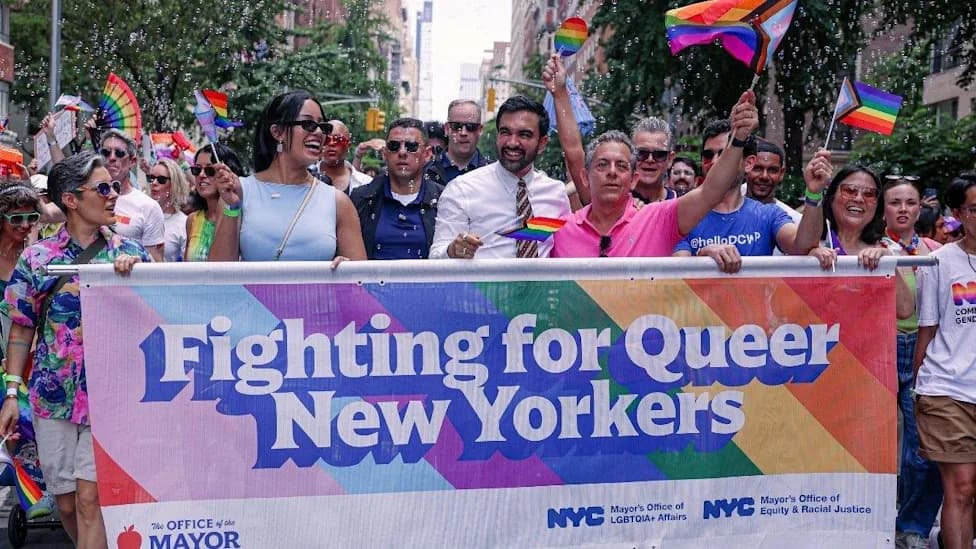
fighting for queer new yorkers banner
New York’s cohort of openly LGBTQ+ lawmakers — already a record for the state and poised to grow after the November general election — is exploring a major step: forming a formal legislative caucus to convert representation into sustained policy and budgetary power.
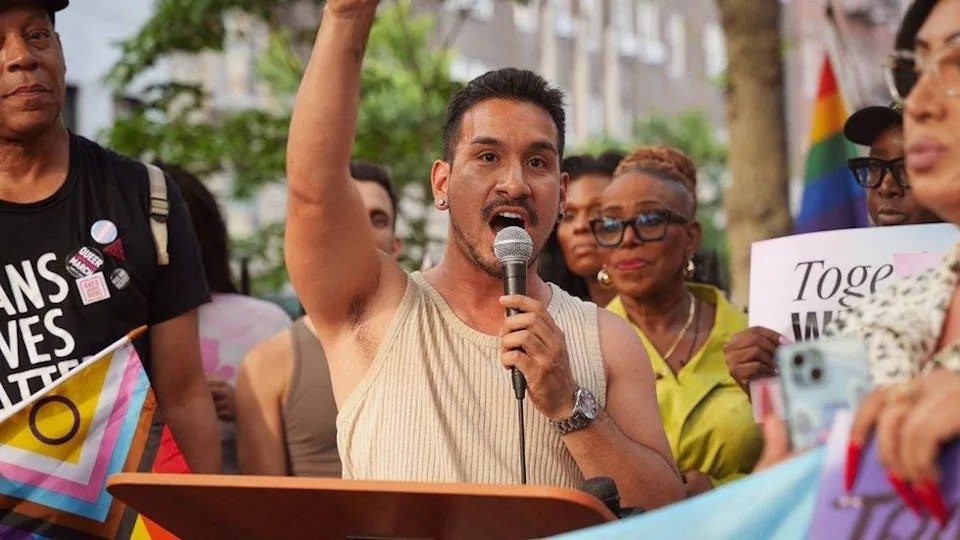
Brian Romero
Background
Right now, seven openly LGBTQ+ lawmakers serve in New York’s 213-member Legislature: Senators Jabari Brisport and Erik Bottcher and Assemblymembers Deborah Glick, Tony Simone, Harry Bronson, Jessica González-Rojas, and Diana Moreno. Several more nominees who won competitive Democratic primaries in June — including Brian Romero, David Orkin, Christian Celeste Tate, Illapa Sairitupac, and David Siffert — are likely to join them after the Nov. 3 general election, potentially bringing the total to 11 (three senators and eight Assemblymembers) and creating the largest LGBTQ+ delegation in New York history.
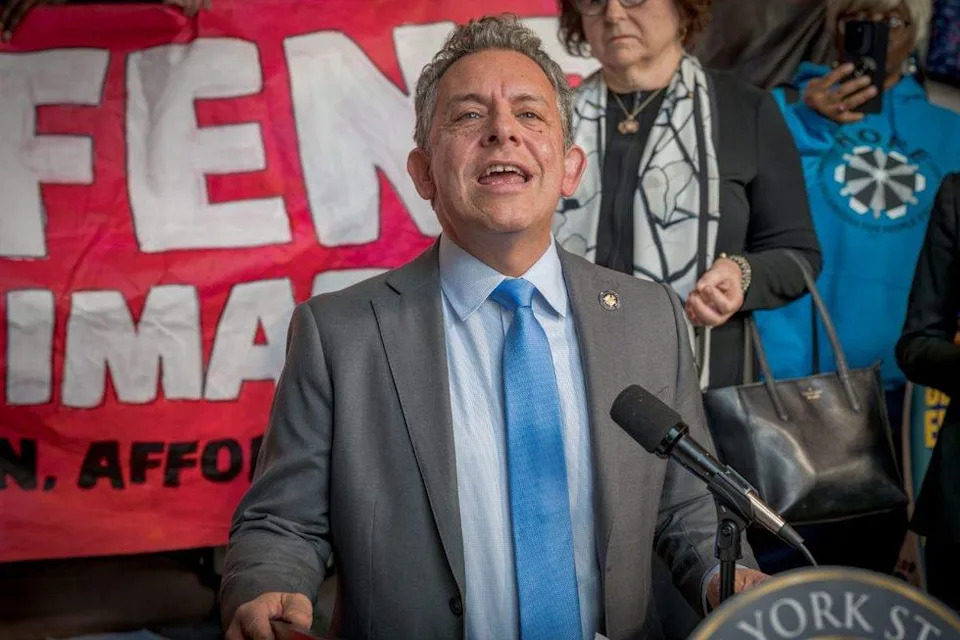
Tony simone
Why a Caucus?
Organizers such as Tony Simone and Brian Romero want more than an informal affinity group. They envision a staffed, funded caucus — modeled on New York’s influential Black, Puerto Rican, Hispanic and Asian Legislative Caucus — that would set shared priorities, coordinate strategy, and push for enforceable funding and enforcement mechanisms across state government.
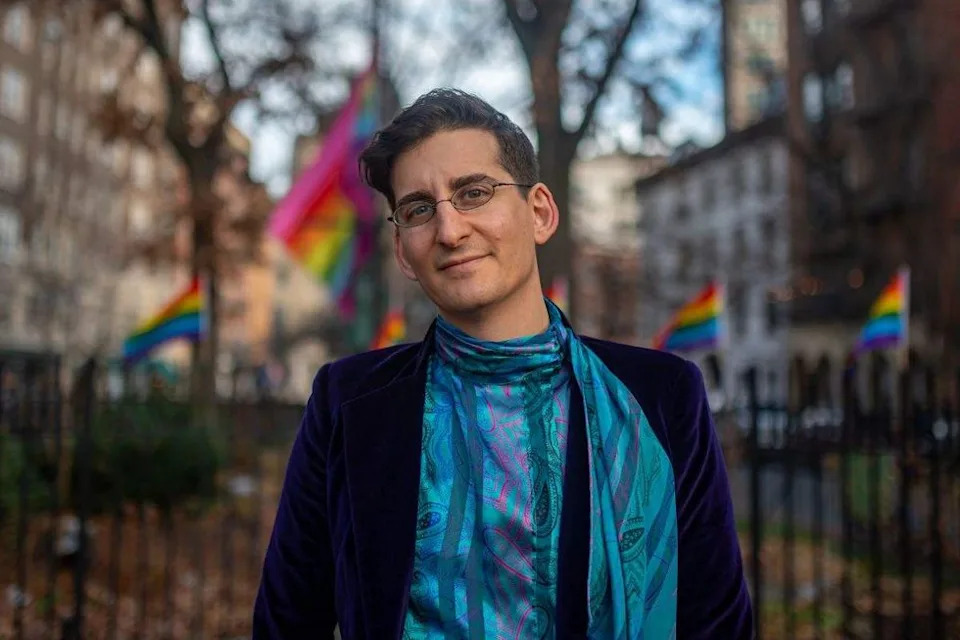
david siffert standing at stonewall park
“We are under attack, but we can't just be on the defensive. We have to be on the offense,” Simone said, describing the motivation behind forming a formal caucus.
Advocates argue that legal protections alone are insufficient when federal policy shifts or when budget decisions and agency enforcement determine whether protections are meaningful on the ground. For example, the state has enacted nondiscrimination protections and transgender health-care shields and established the Lorena Borjas Transgender and Non-Binary Wellness and Equity Fund, which Gov. Kathy Hochul said has grown to more than $16 million. Still, funding and enforcement remain critical gaps.
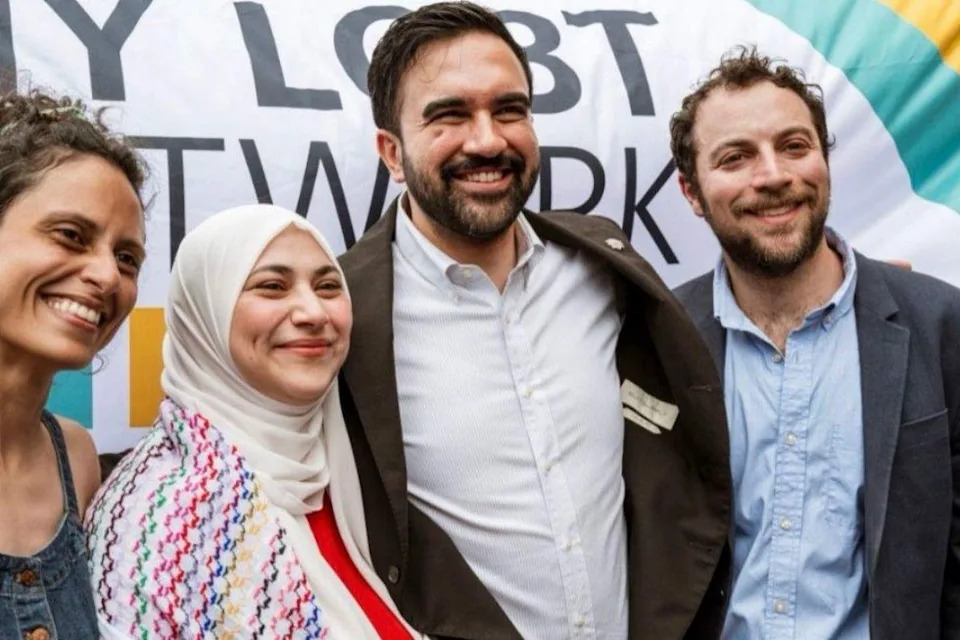
david orkin with zohran mamdani and two unidentified women
Policy Priorities and Practical Work
Organizers emphasize practical priorities: securing stable funding for gender-affirming care, strengthening employment protections and enforcement through agencies like the Division of Human Rights, expanding HIV-related housing assistance, investing in overdose prevention, and ensuring immigrant and working-class LGBTQ+ communities have access to services. They want the caucus to help colleagues across regions — upstate, downstate, Long Island, and the Hudson Valley — understand how housing, Medicaid, jobs, and other universal issues affect LGBTQ+ constituents differently.
“If you want to make sure that your group gets a fair share of the budget distribution, you need to sort of work together,” said David Siffert, who would be New York’s first out nonbinary state legislator if elected to the Assembly.
Organizers also point to the symbolic dimension: erasures or attacks on visibility — like disputes over Pride displays or the status of the Stonewall site — often interconnect with policies that carry tangible harms, such as restrictions on care or access to services.
Lessons From Other States and Congress
Other states show what an institutional caucus can accomplish. California established the nation’s first official LGBTQ+ caucus in 2002; its agenda this year included a state-backed gender-affirming care fund that received $26 million in the enacted budget. Washington state’s caucus helped advance conversion-therapy bans and gender-affirming care protections, and Maryland includes “associate members” to broaden allied support. At the federal level, the Congressional Equality Caucus demonstrated how organized lawmakers can marshal majority and minority support to block harmful measures.
What’s Next
Discussions about forming a caucus are preliminary. Organizers would need formal recognition and funding from legislative leaders, and they plan to recruit allied lawmakers who represent queer constituents even if they are not LGBTQ+ themselves. If successful, the caucus could provide coordinated legislative strategy, staff expertise, and political cover to protect vulnerable communities when transgender rights become politically fraught.
With the number of LGBTQ+ state legislators growing nationwide — the LGBTQ+ Victory Institute counted 243 in 2025, up from 109 in 2017 — advocates say now is a critical moment to turn representation into durable institutional power that secures both symbolic recognition and the material resources that protect people’s lives.
Help us improve.