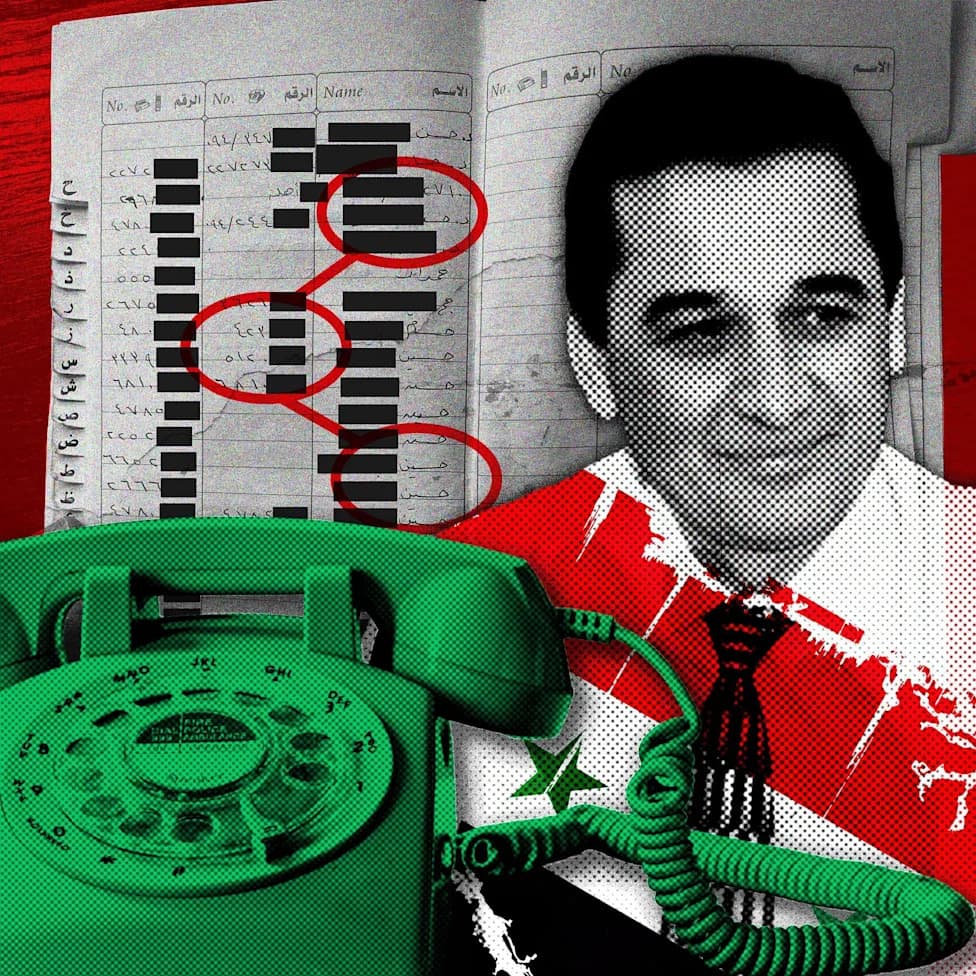
Investigators used a little black notebook found in Hussam Luka's abandoned Damascus apartment to trace the fugitive former head of Syria’s General Security Directorate. Luka, nicknamed 'The Spider' and sanctioned by the UK, US and EU, is accused of overseeing torture and implicated in the 2015 Eid massacre in Homs. Journalists and investigators tested 155 contacts, uncovered leads through former associates and a Russian phone number, and located him in suburbs of Moscow, where he refused to speak on the record. Syrian authorities have issued charges and seek extradition, but Russia is unlikely to cooperate.
The Phone Book That Led Investigators To Assad’s Fugitive Spy Chief — Tracing 'The Spider' To Moscow
[BBC]
In an abandoned luxury flat in Damascus, a battered notebook found on a console table became the pivotal clue that helped investigators trace Hussam Luka — known to many as 'The Spider' — a former senior Syrian intelligence official accused of overseeing torture and atrocities.
Clues in the Ruins
Scattered beneath a crystal chandelier were photographs of Luka, gilded certificates and medals bearing his name. But it was the unremarkable notebook, filled with 155 contact entries in hurried blue ink, that offered a path into his network: shopkeepers, doctors, military figures, and members of Luka’s own family.
From Homs' Siege To Accusations Of Massacre
Residents of Homs remember Luka from the early years of the Syrian conflict, when his number was once spray-painted on city walls offering 'safe passage' — a promise that some survivors say led to disappearances. He is also accused of directing target selection during the September 2015 Eid al-Adha strike in al-Waer, an attack that local groups say killed 28 people, including 17 children. Survivors continue to demand accountability; one grieving father, Mohammed Towakatli, described the scene and pleaded for justice.
Investigative Steps
Back in London, investigators photographed every page of the notebook and tested each number. Of 155 contacts, 51 numbers were initially operational. Calls to high-priority names — military commanders, relatives — typically ended as soon as the caller identified themselves: hang-ups, denials, or outright refusal.
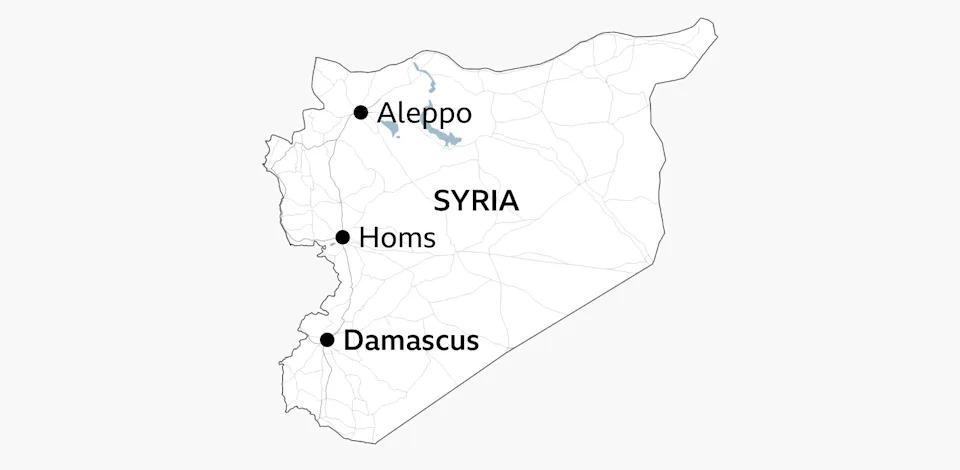
A BBC reporter travelled to Syria and used medical appointments as a pretext to meet people listed in the book. After many dead ends, a former building guard eventually provided a lead: the contact of Luka’s bodyguard, 'Mahmoud'. Mahmoud said Luka disappeared from Damascus the night the regime collapsed, allegedly taking a large sum of money from an office safe.
Following The Escape Route
Investigators traced additional leads abroad. A source in Lebanon suggested Luka passed through the country on a Russian passport under another name before flying onward. A number obtained from a man in Lebanon carried a Russian country code; when that number was tested by asking questions only Luka could answer, the voice on the line responded correctly — though he refused direct on-record interviews.
Using a second number linked to messaging apps and social profiles, researchers were able to place Luka in two suburban locations outside Moscow. Repeated attempts to secure comment were rebuffed: Luka declined to speak on the record and hung up when told the caller was from the BBC.
Accountability And Obstacles
Syria’s Attorney General says Luka faces charges including premeditated murder and torture, and that domestic and international warrants are being pursued. Yet confirmation that Luka is in Russia dims hopes for extradition: Moscow is unlikely to hand over a former ally of Assad. For survivors and activists in Syria, the prospect of meaningful justice remains uncertain.
"They look like humans but have no humanity in them at all," said Mohammed Towakatli, speaking of senior regime figures after the loss of his seven-year-old son, Wael.
The notebook in Luka’s abandoned apartment has not yielded every answer, but it exposed a web of connections that investigators used to follow his trail from Damascus to suburban Moscow — and underscored the difficulties of securing accountability once suspects cross international borders.
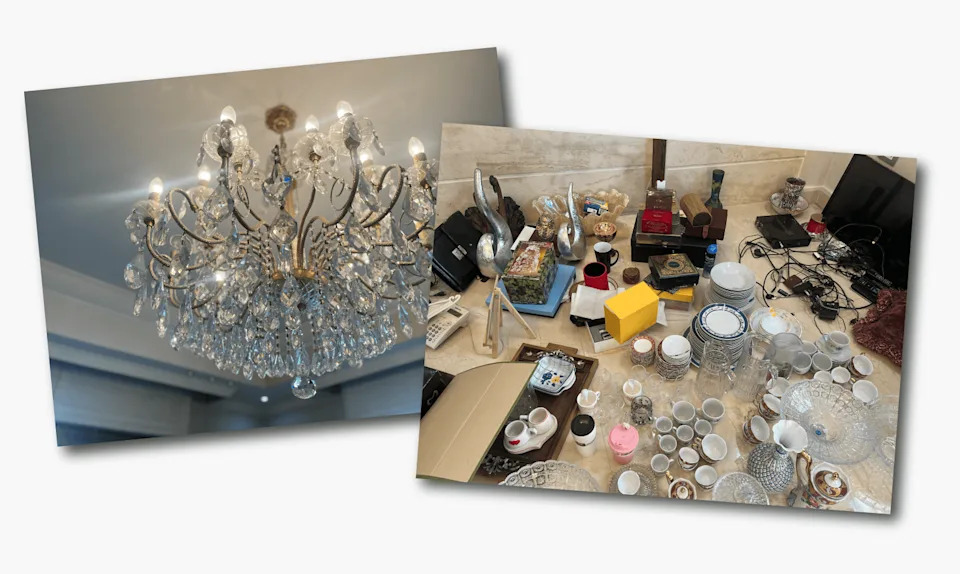
Hussam Luka's apartment was luxurious and full of miscellaneous goods [BBC]
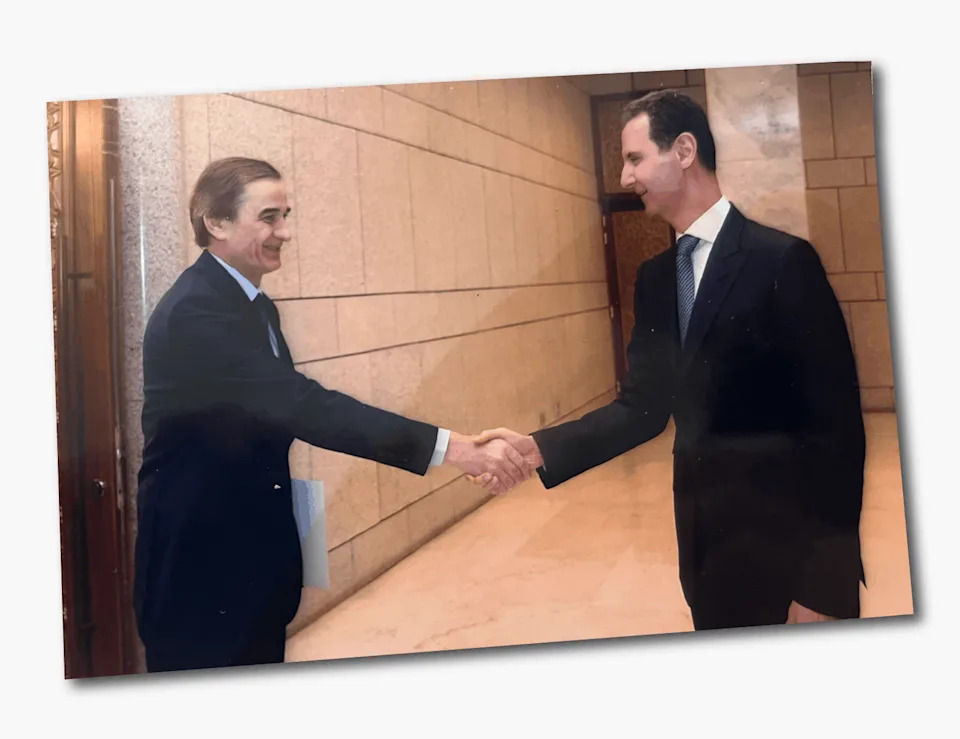
One of the photos we found had been copied multiple times - showing Luka shaking hands with Assad [BBC]
[BBC]
[BBC]
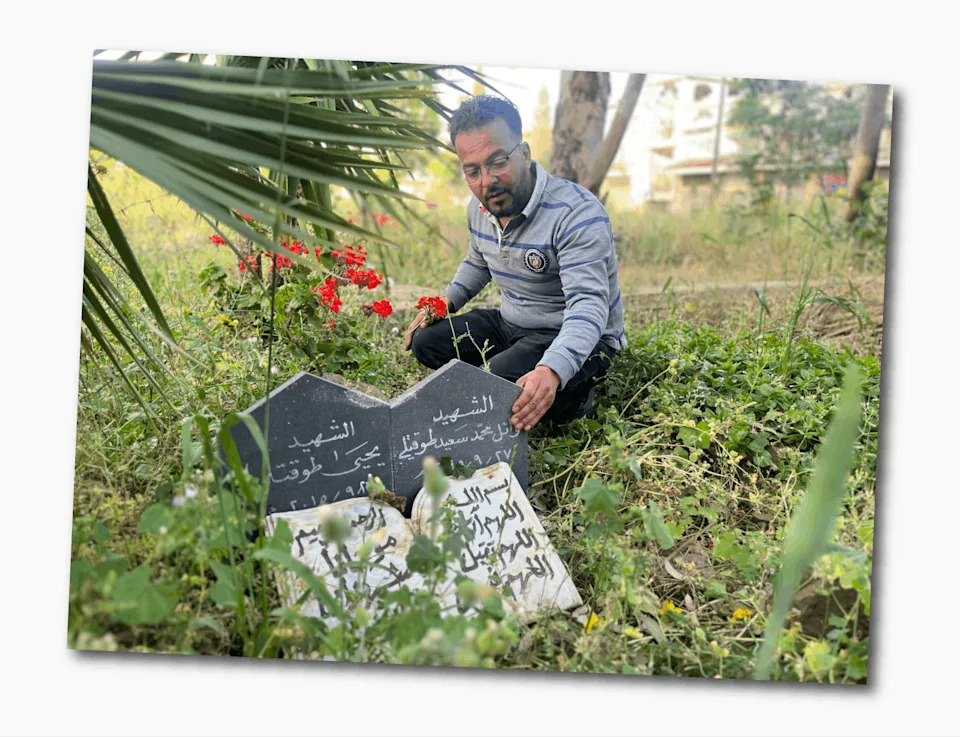
Mohammed at the grave of his son, who was killed in a bombing in Homs [BBC]

[BBC]
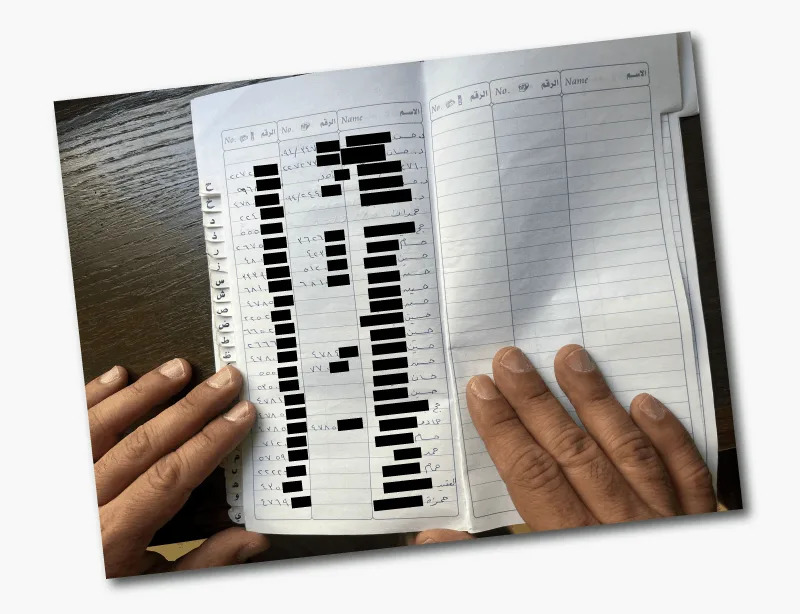
The phone book we found in the apartment - the BBC has redacted the surnames and the first three digits of each phone number [BBC]
[BBC]
[BBC]
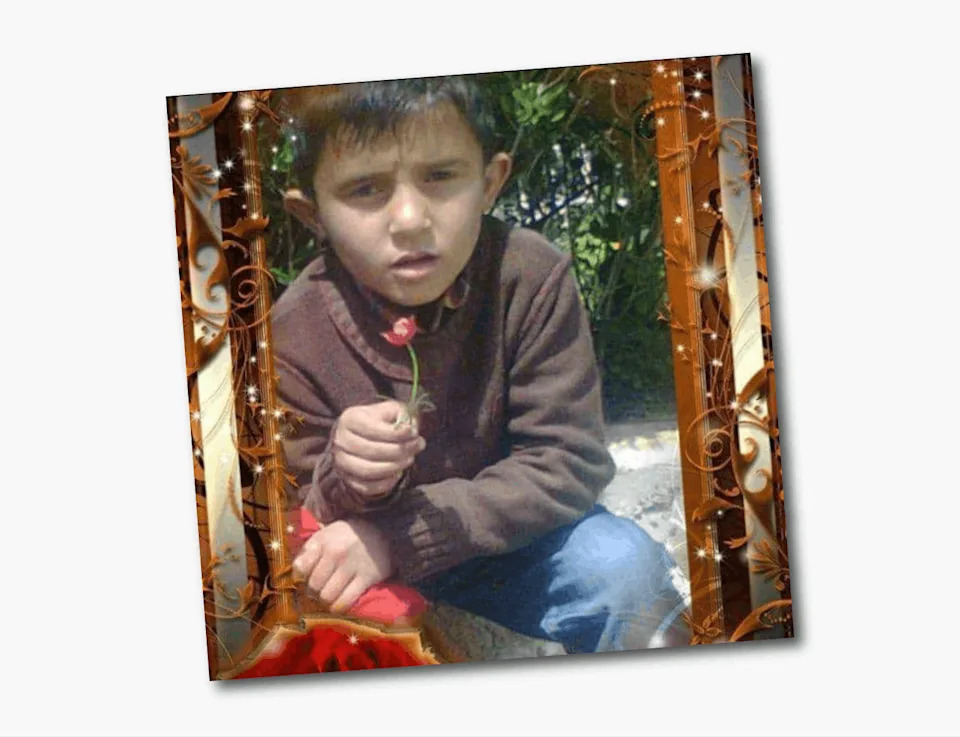
Mohammed still hopes for justice after the death of seven-year-old Wael, pictured here [BBC]
Help us improve.