One night last September in Laramie, Wyoming, Rihanna Kelver — a trans activist and former bartender — says she drew a gun after a group of men allegedly harassed her and shoved her to the ground. Kelver maintains she pointed the firearm while lying on the pavement in self-defense and did not fire any shots. Still, authorities arrested her and charged her with aggravated assault and possession of a deadly weapon, charges that, according to The New York Times, could carry a sentence of up to 15 years in prison.
What Happened
Kelver told the Laramie Reporter before a preliminary hearing in May that the confrontation began when a man across the street allegedly shouted anti-LGBTQ+ and anti-transgender slurs. She described the episode as frightening and said she feared for her safety after being shoved to the ground.
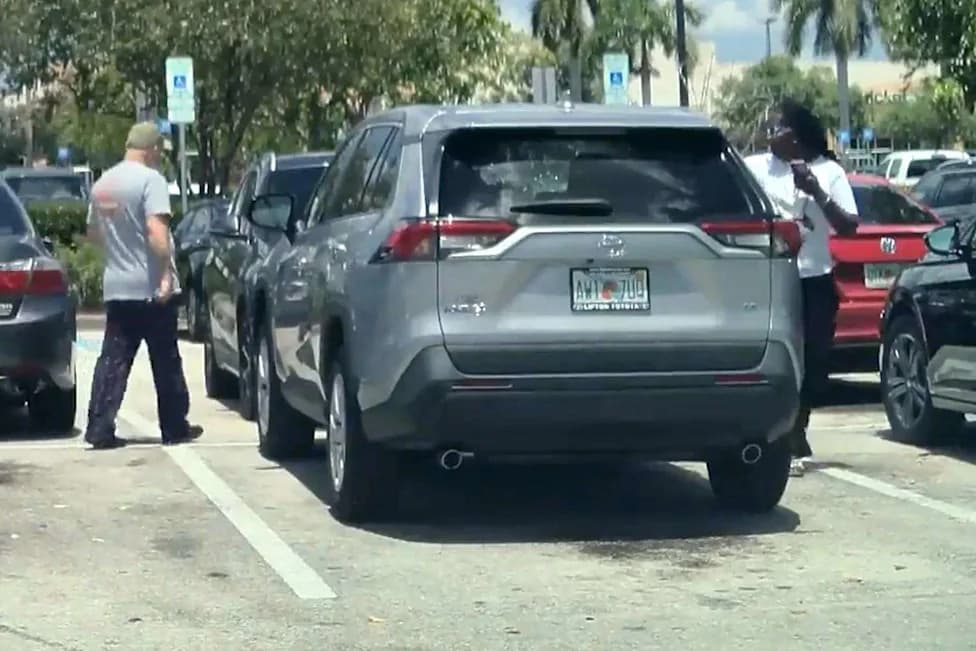
Police listed one of the men Kelver pointed the gun at, Scott Durham, as the victim. Security-camera footage released to The New York Times appears to show the men remaining calm and does not show Kelver physically touching them; the video also shows that no shots were fired.
Legal Context
Wyoming's 2018 "stand your ground" law permits a gun owner to use deadly force when they "reasonably believed that they faced an imminent threat of harm." Supporters of Kelver argue that the statute should apply when someone reasonably fears for their life or safety. Prosecutors, however, have chosen to pursue aggravated assault and weapon-possession charges, raising questions about how the law is interpreted and who receives its protections in practice.
Broader Implications
Advocates and legal observers say Kelver's case highlights how bias can shape criminal-justice outcomes. Research and arrest data show that queer and transgender people often face negative treatment compared with straight and cisgender counterparts and are disproportionately represented in the prison system. There is also a broader political climate in which transgender people are frequently portrayed as threats, a narrative that advocates say can influence public opinion and responses from law enforcement.
Some trans people report buying guns in response to increased harassment and threats. At the same time, alarmist claims that transgender people are unusually likely to commit mass shootings are misleading: GLAAD's tally indicates that trans and nonbinary people were responsible for roughly 0.1–0.2% of recent mass-shooting incidents, while most mass shootings have been perpetrated by cisgender men.
Why This Case Matters
"Who gets the benefit of the doubt in self-defense claims?" is the central question advocates are raising in Kelver's case.
Observers say the prosecution could reflect overlapping biases against queer people and against Black and Latine gun owners. Many straight, white gun owners vocally defend broad rights to bear arms and act in self-defense; critics argue that people outside that demographic are more likely to be treated as suspects or criminals when they assert the same rights.
The case remains pending. As it moves through the legal system, it will be closely watched as a test of how self-defense laws are applied and whether demographic bias affects who is believed when they say they feared for their safety.