Prosecutors unexpectedly asked the Oslo District Court to extend Marius Borg Høiby's pretrial detention by four weeks, reversing earlier indications they would permit his release. The decision was based on a continued risk that he could breach restraining orders or reoffend, not on his convictions, which are under appeal. Borg was convicted at trial of two counts of rape, violence and drug offences and was sentenced to four years; the appeals process could take until 2027. The case remains high profile because of Borg's ties to Norway's royal household.
Prosecutors Block Marius Borg Høiby's Release, Seek Four‑Week Custody Extension

The son of Princess Mette-Marit, who was first arrested in August 2024 and formally charged a year later, will face 32 counts before the Oslo District Court. (LISE ASERUD)
For several hours on Friday it appeared that Marius Borg Høiby might regain his freedom. Instead, the Norwegian State Prosecutor's Office reversed an earlier inclination to allow release and asked the Oslo District Court to keep Crown Princess Mette‑Marit's eldest son in custody for another four weeks, once again fitted with an electronic ankle monitor. Prosecutors said the decision was driven by an assessed risk that he could reoffend or breach restraining orders.

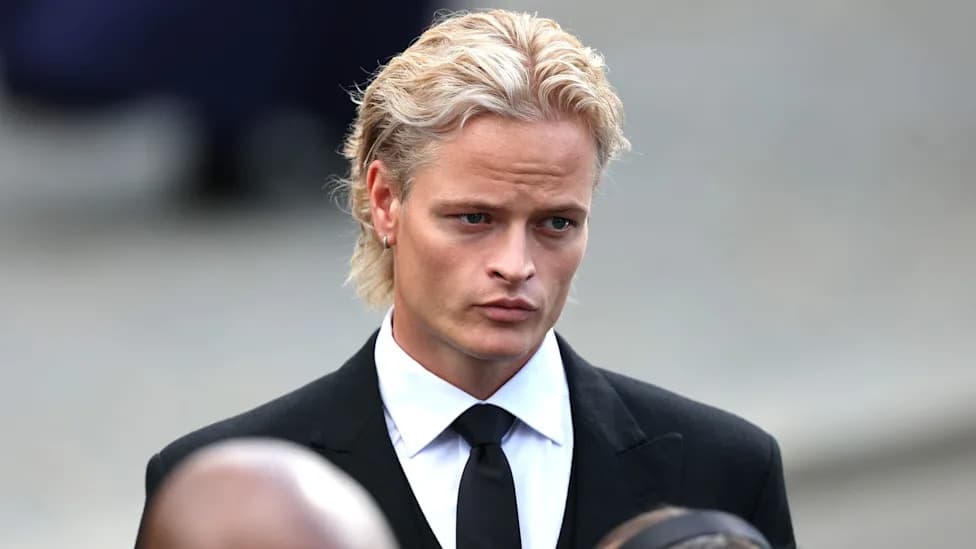
Marius Borg is Crown Princess Mette-Marit's oldest son (Getty Images)
The announcement, delivered to local media, took Borg's defense team by surprise. Defense attorney Petar Sekulic told Aftenposten that the prosecution had earlier indicated they would permit release and described the case as one of "reverse violence." Sekulic added that the defense would reserve further comment until the next court hearing.
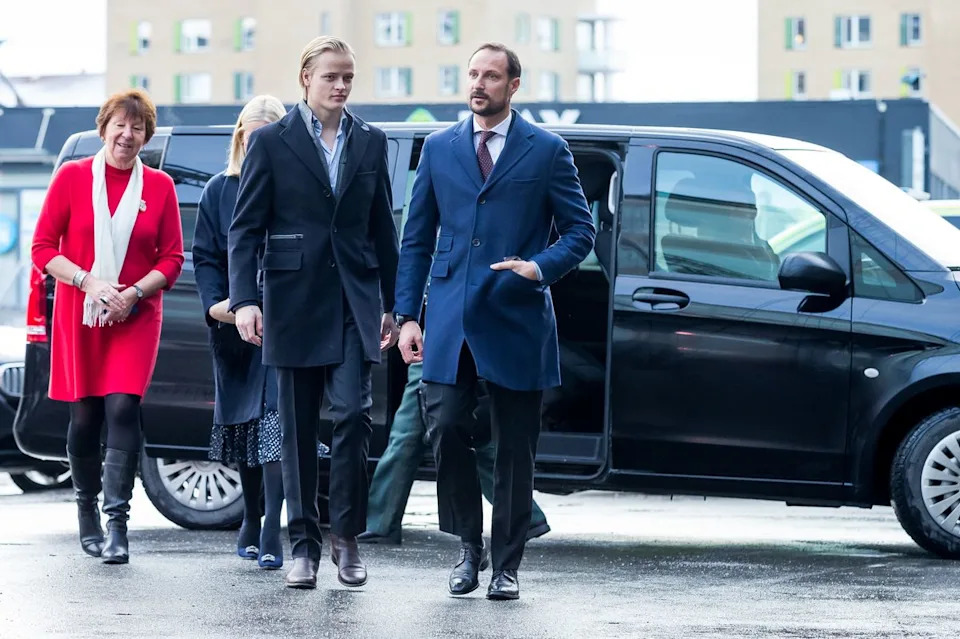
He was raised by her and his step-dad, Crown Prince Haakon (WireImage)
"We are very surprised, because the prosecution had indicated that he should be released, given that we consider this a case of reverse violence. We don't understand why they changed their minds," Petar Sekulic said.
The next hearing is scheduled for August 10 at the Oslo District Court. Legally, the reversal occurred at a procedural turning point: when Borg's prior four‑week custody term with an ankle tag expired, prosecutors alone had the option to apply for a fresh extension. If they declined, the detention order would have lapsed automatically and Borg would have been released. Because Norwegian courts do not act on their own initiative in such matters, the prosecution effectively controlled the outcome and chose to seek another extension.
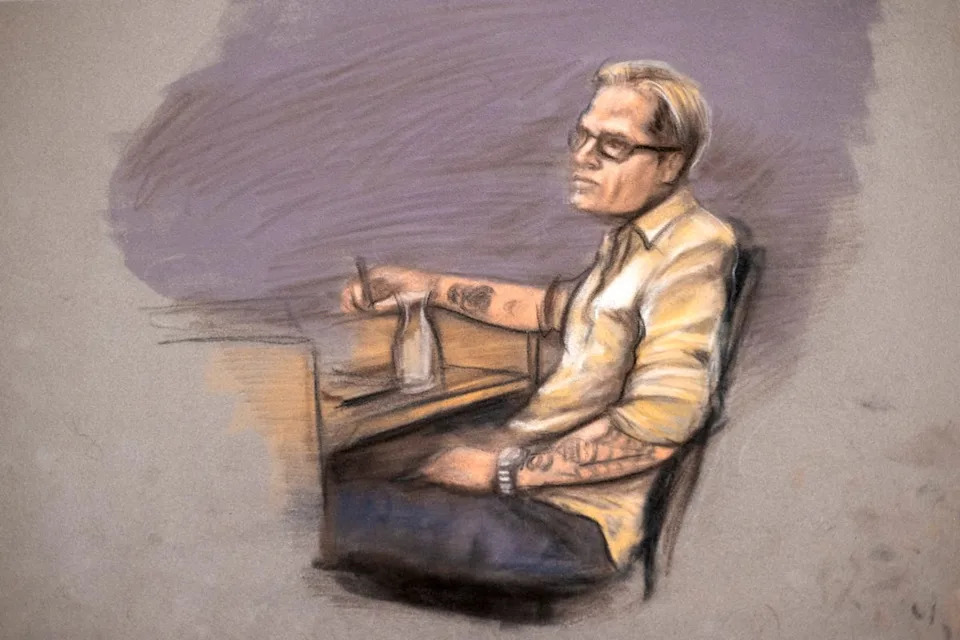
Borg has been immersed in a complex legal battle throughout the past year (ANE HEM)
Why He Remains in Custody
Importantly, Borg's continued pretrial detention is not based on the rape convictions themselves, which remain under appeal, but on prosecutors' assessment that he poses a risk of violating restraining orders or committing further offences against former partners. He was placed in custody in February after a fourth arrest tied to repeated breaches of restraining orders associated with a woman from Oslo's Frogner district. That woman has not been named publicly.
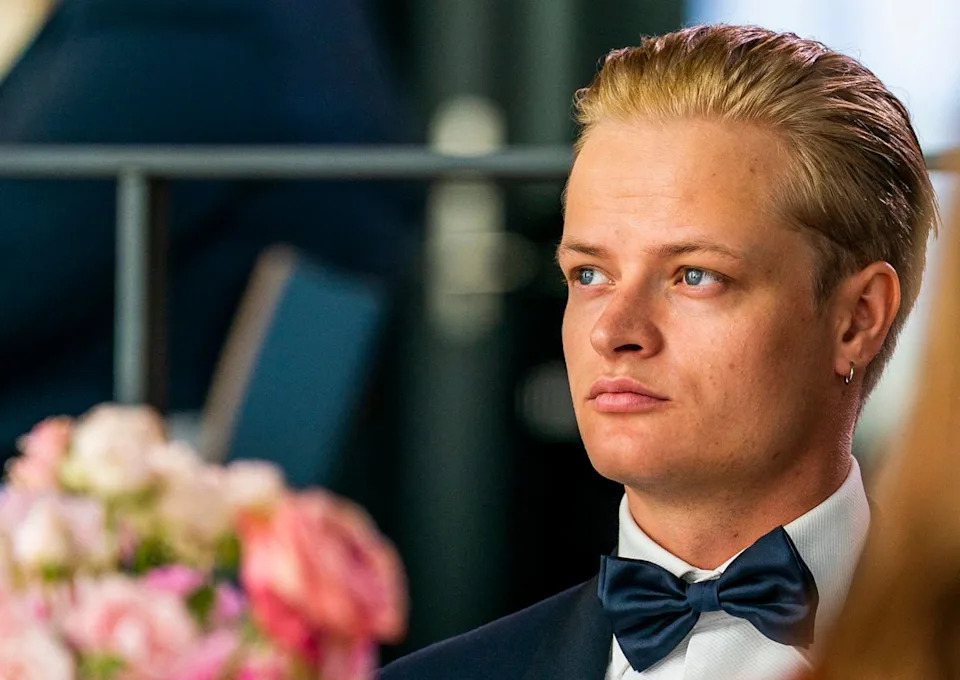
He was convicted on two counts of rape (HAKON MOSVOLD LARSEN)
The Underlying Case
The criminal case is extensive: an 830‑page file and seven weeks of trial testimony. At trial, Borg was convicted of two counts of rape and of violence connected to the Frogner incident, found guilty of abuse against his ex‑girlfriend Nora Haukland (a public figure because of her TV work and social‑media presence), and convicted on drug offences and several lesser charges. He was acquitted on two other rape allegations and has consistently denied any sexual wrongdoing.
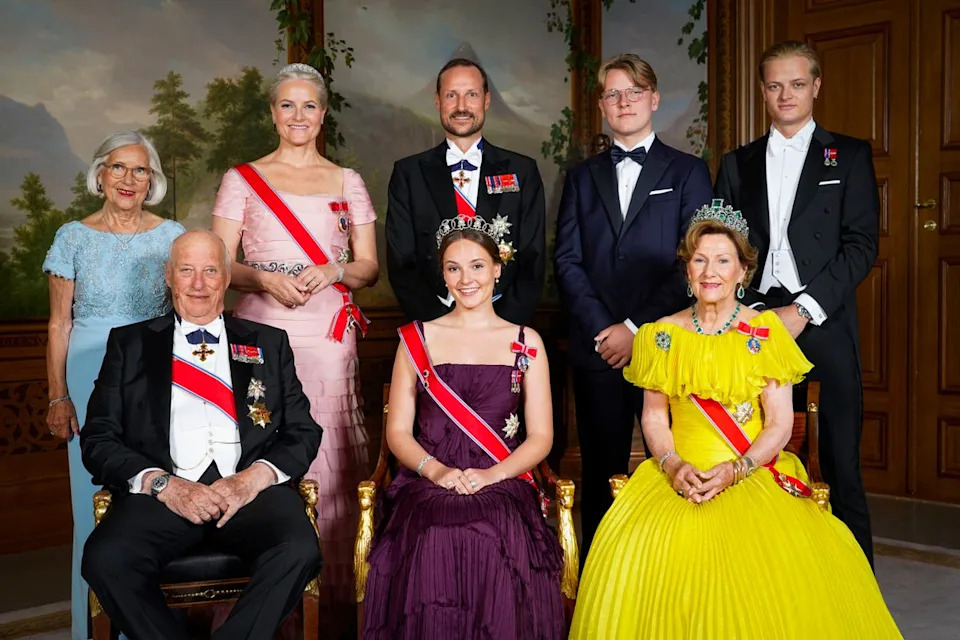
Borg is not a direct member of the royal family, but grew up in it (LISE ASERUD)
At first instance he was sentenced to four years in prison. That sentence is now under appeal and the Court of Appeal is not expected to deliver a ruling before 2027. The State Prosecutor's Office had sought seven years and seven months at trial and has signalled it wants the appeals court to impose a harsher sentence than the one handed down at trial.
Procedural Moves and Wider Impact
In recent weeks, Borg's defense had secured procedural victories: an electronic ankle tag in place of full custody and a temporary transfer to Skaugum, the royal family's private estate. Still, prosecutors ultimately opposed full release.
Though not a direct member of the Norwegian royal family, Borg grew up within that environment, which makes the case especially high profile. The timing adds sensitivity for the household: Crown Princess Mette‑Marit is beginning a six‑month rehabilitation after a lung transplant, Princess Ingrid Alexandra has just returned from a year studying in Australia, and Prince Sverre Magnus remains publicly low‑profile. The family’s reputation — already strained by past controversies — will remain under scrutiny until the legal process concludes.
Next key date: Oslo District Court hearing on August 10.
Help us improve.