
The Aug. 12 partial solar eclipse will be visible across much of Europe, parts of northwestern Africa and a broad stretch of the United States from Alaska to North Carolina. Most U.S. viewers will see a partial eclipse — Fairbanks has the highest U.S. coverage at about 37% while Washington, D.C., will see roughly 4%. The Artemis II mission captured dramatic lunar and Earth imagery during its April 6, 2026 flyby, including a near-54-minute totality from the spacecraft’s perspective. NASA will livestream the event starting at 1:15 p.m. ET and urges viewers to use certified solar filters or indirect viewing methods except during totality.
Partial Solar Eclipse on Aug. 12 — Where to See It in the U.S. and How to Watch Safely
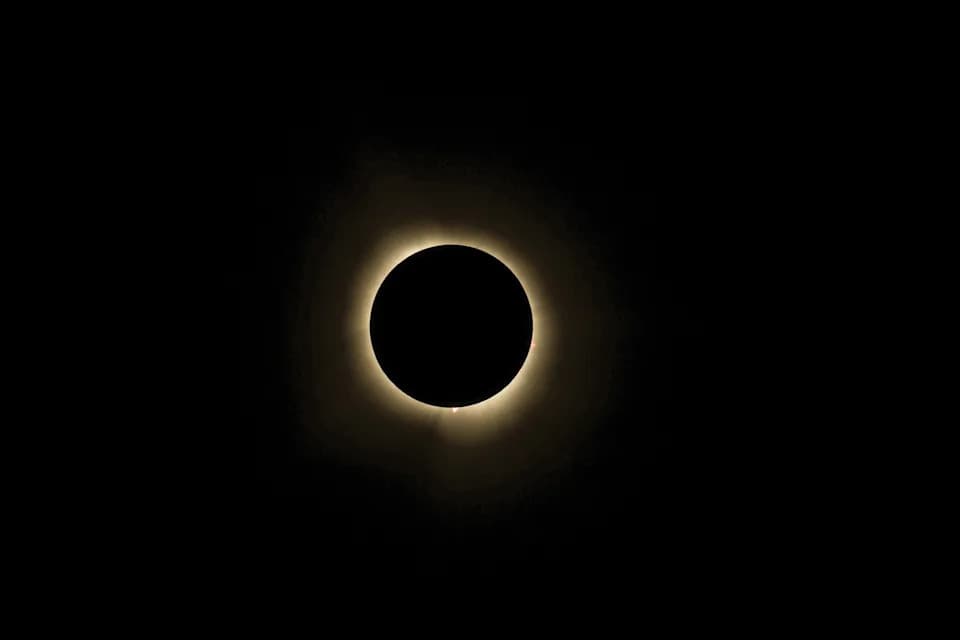
A view of the total solar eclipse on April 8, 2024 as seen from Alto Pass, Illinois.
Nearly two and a half years after the last total solar eclipse visible to many observers, another eclipse is on the way. On Aug. 12, observers across much of Europe and parts of northwestern Africa will see the Moon cover much of the Sun. Most locations in the United States will see only a partial eclipse, with coverage varying by region and city, according to NASA.
Where U.S. Viewers Can See It
The partial eclipse will be visible across a wide swath of the United States from Alaska eastward to North Carolina; Washington, D.C., will also see a small partial eclipse. In Alaska the event will occur in the morning, while northern U.S. locations will see it between midday and midafternoon. Observers closest to the center of the eclipse track — over parts of Greenland, Russia or the North Atlantic — will experience the longest duration; most viewers will see less than two minutes of coverage.
Selected U.S. Cities and Expected Coverage (NASA)
- Fairbanks, Alaska — 37% coverage. Visible 7:37 a.m. to 9:18 a.m.; maximum at 8:27 a.m.
- Anchorage, Alaska — 28% coverage. Visible 7:36 a.m. to 9:09 a.m.; maximum at 8:21 a.m.
- Bangor, Maine — 24% coverage. Visible 12:54 p.m. to 2:49 p.m.; maximum at 1:53 p.m.
- Portland, Maine — 19% coverage. Visible 12:57 p.m. to 2:27 p.m.; maximum at 1:53 p.m.
- Juneau, Alaska — 17% coverage. Visible 7:41 a.m. to 9:08 a.m.; maximum at 8:24 a.m.
- Boston, Massachusetts — 16% coverage. Visible 1:01 p.m. to 2:46 p.m.; maximum at 1:55 p.m.
- New York, New York — 9% coverage. Visible 1:07 p.m. to 2:38 p.m.; maximum at 1:54 p.m.
- Philadelphia, Pennsylvania — 7% coverage. Visible 1:11 p.m. to 2:35 p.m.; maximum at 1:53 p.m.
- Washington, D.C. — 4% coverage. Visible 1:17 p.m. to 2:27 p.m.; maximum at 1:53 p.m.
- Detroit, Michigan — 3% coverage. Visible 1:03 p.m. to 2:08 p.m.; maximum at 1:36 p.m.
Artemis II: Stunning Lunar and Earth Images
The Artemis II crew, during their April 6, 2026 lunar flyby, captured striking images related to the Moon, Earth and eclipses. From the spacecraft's vantage point the Moon completely obscured the Sun for nearly 54 minutes of totality — a far longer view than any location on Earth could see. Photographs include a crescent Earth setting along the Moon's limb, the Moon's terminator illuminated with long shadows that highlight cratered terrain (including Jule, Birkhoff and Stebbins craters), close-ups of Vavilov Crater on the rim of the Hertzsprung basin, and an Earthrise over the lunar far side.
How to View the Eclipse Safely
Outside of totality — and since most U.S. viewers will only see a partial eclipse — it's essential to protect your eyes. NASA recommends:
- Use certified eclipse glasses (solar viewing glasses) or handheld solar viewers that meet the international ISO 12312-2 safety standard.
- Use solar filters on cameras, binoculars and telescopes — never look through optical devices without a proper filter, even with eclipse glasses on.
- For an indirect view, build a simple pinhole projector from a cereal box or shoe box, or use other projection methods to view the Sun safely.
"Only during those brief moments of totality, when the Moon completely blocks the Sun's bright face, can viewers look directly at the eclipse without eye protection," NASA notes. Because most U.S. locations will not experience totality, viewers should keep protection on for the entire event unless explicitly within the path of totality and during those few totality moments.
Live Coverage
NASA will host a live broadcast of the eclipse beginning at 1:15 p.m. ET on Aug. 12. The stream will be available on Amazon Prime, Facebook, Instagram, NASA+, Twitch, X and YouTube for those who cannot view the eclipse locally or want expert commentary and additional visuals.
Reported by: Saleen Martin, USA TODAY. Contact: [email protected].
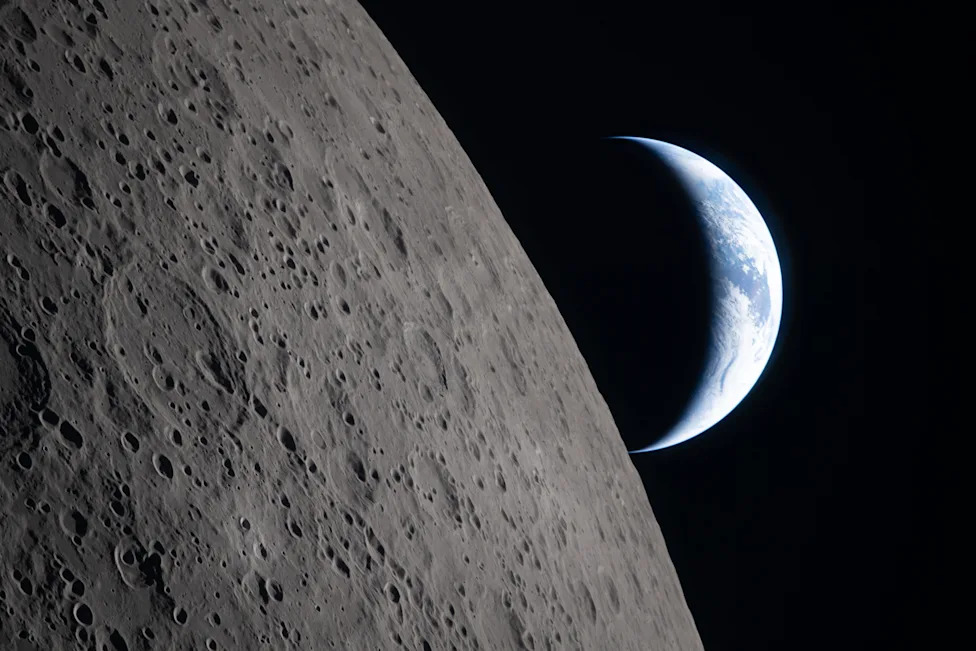
Peeking at the EarthAs the Artemis II crew came close to passing behind the Moon and experiencing a planned loss of signal on April 6, 2026, they captured this image of a crescent Earth setting on the Moon’s limb. The edge of the visible surface of the Moon is called the “lunar limb.”(NASA)
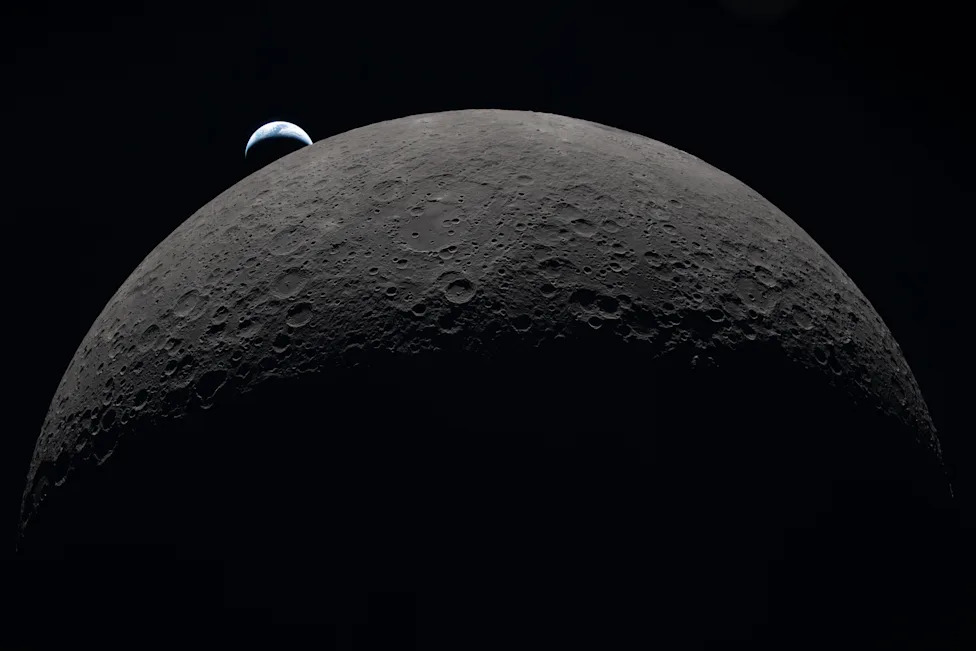
A New View of the MoonEarth sets at 6:41 p.m. EDT, April 6, 2026, over the Moon’s curved limb in this photo captured by the Artemis II crew during their journey around the far side of the Moon.(NASA)
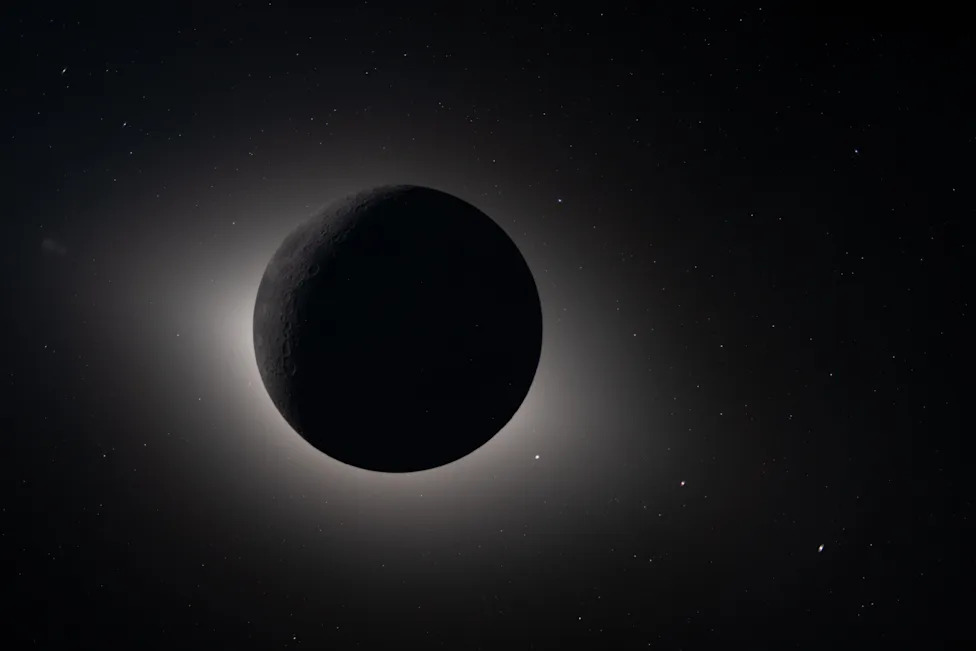
Artemis II in EclipseCaptured by the Artemis II crew during their lunar flyby on April 6, 2026, this image shows the Moon fully eclipsing the Sun. From the crew’s perspective, the Moon appears large enough to completely block the Sun, creating nearly 54 minutes of totality and extending the view far beyond what is possible from Earth. We see a glowing halo around the dark lunar disk.(NASA)
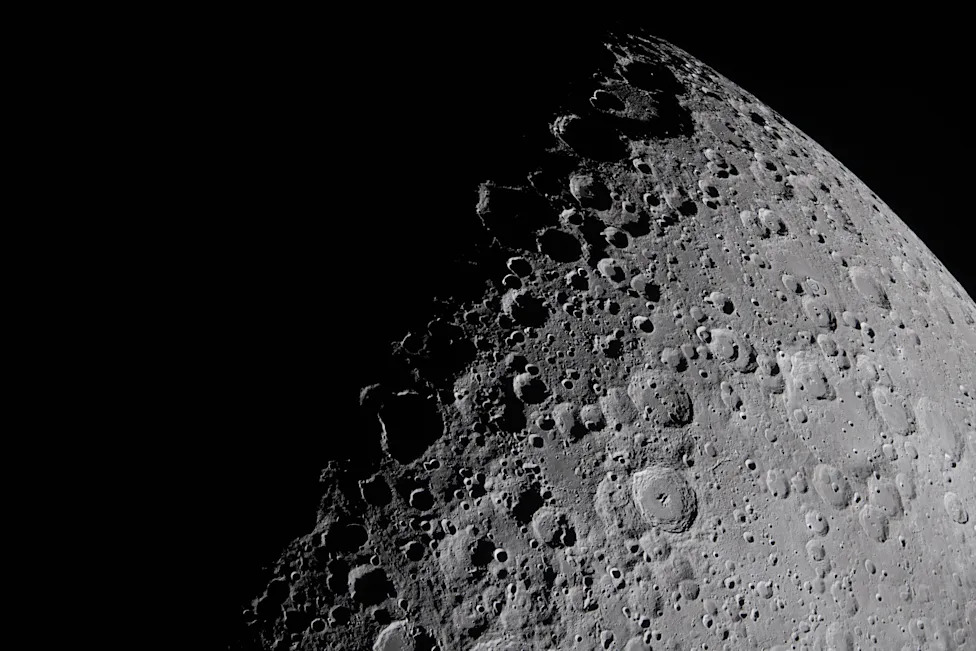
Shadows at the Edge of Lunar DayThe Artemis II crew captures a portion of the Moon coming into view along the terminator – the boundary between lunar day and night – where low-angle sunlight casts long, dramatic shadows across the surface on April 6, 2026. This grazing light accentuates the Moon’s rugged topography, revealing craters, ridges, and basin structures in striking detail. Features along the terminator such as Jule Crater, Birkhoff Crater, Stebbins Crater, and surrounding highlands stand out. From this perspective, the interplay of light and shadow highlights the complexity of the lunar surface in ways not visible under full illumination. The image was captured about three hours into the crew’s lunar observation period, as they flew around the far side of the Moon on the sixth day of the mission.(NASA)
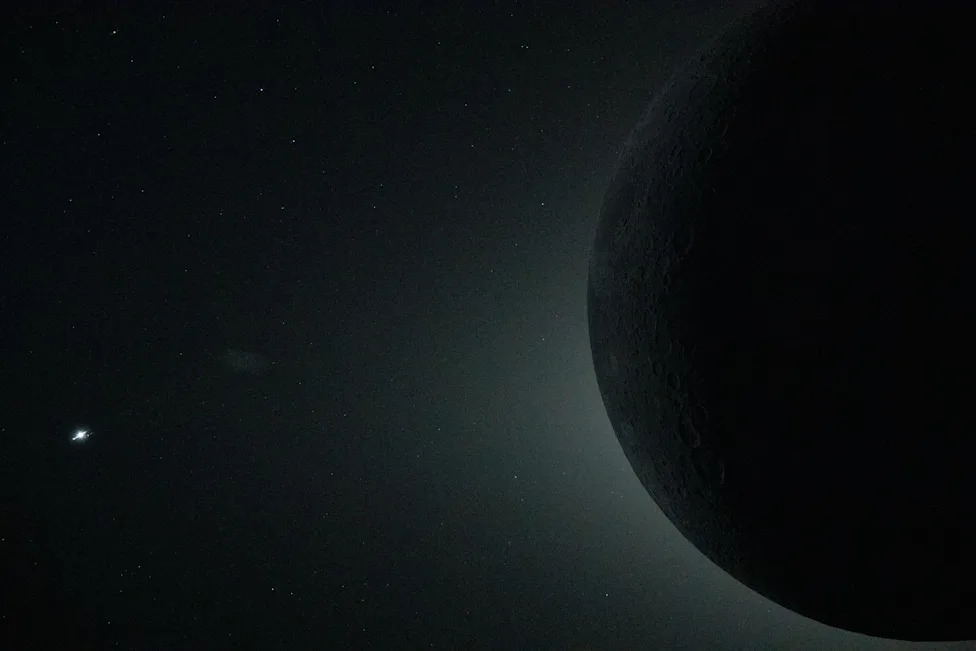
Artemis II Total Solar Eclipse, Partial FrameA close-up view from the Orion spacecraft during the Artemis II crew’s lunar flyby on April 6, 2026, captures a total solar eclipse, with only part of the Moon visible in the frame as it fully obscures the Sun.(NASA)
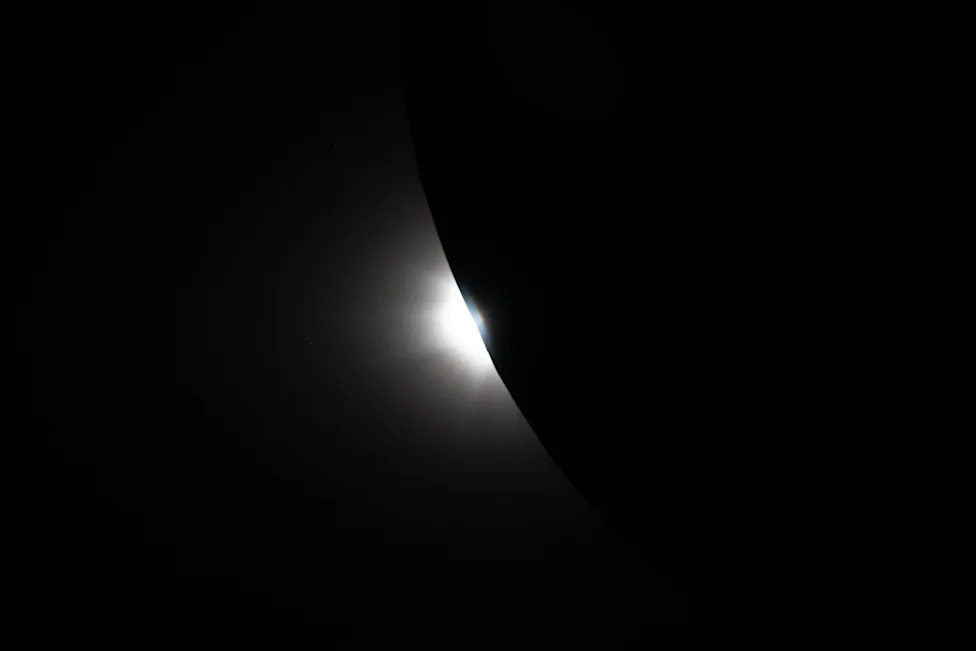
Solar Eclipse Emergence from OrionCaptured from the Orion spacecraft near the end of the Artemis II lunar flyby on April 6, this image shows the Sun beginning to peek out from behind the Moon as the eclipse transitions out of totality.(NASA)
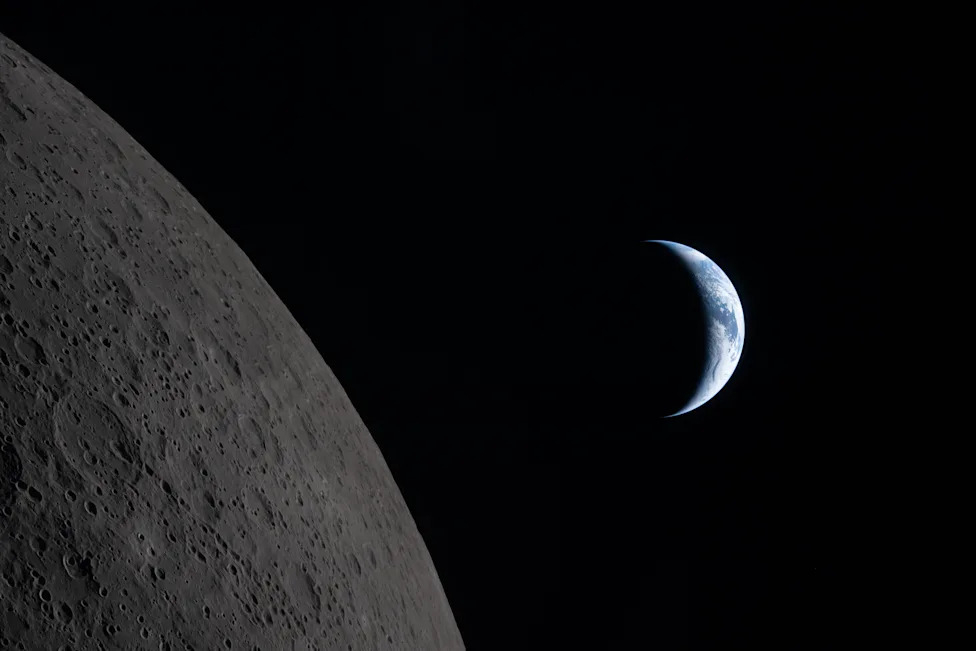
The Edge of Two WorldsEarth draws closer to passing behind the Moon in this image captured by the Artemis II crew during their lunar flyby, about six minutes before Earthset.(NASA)
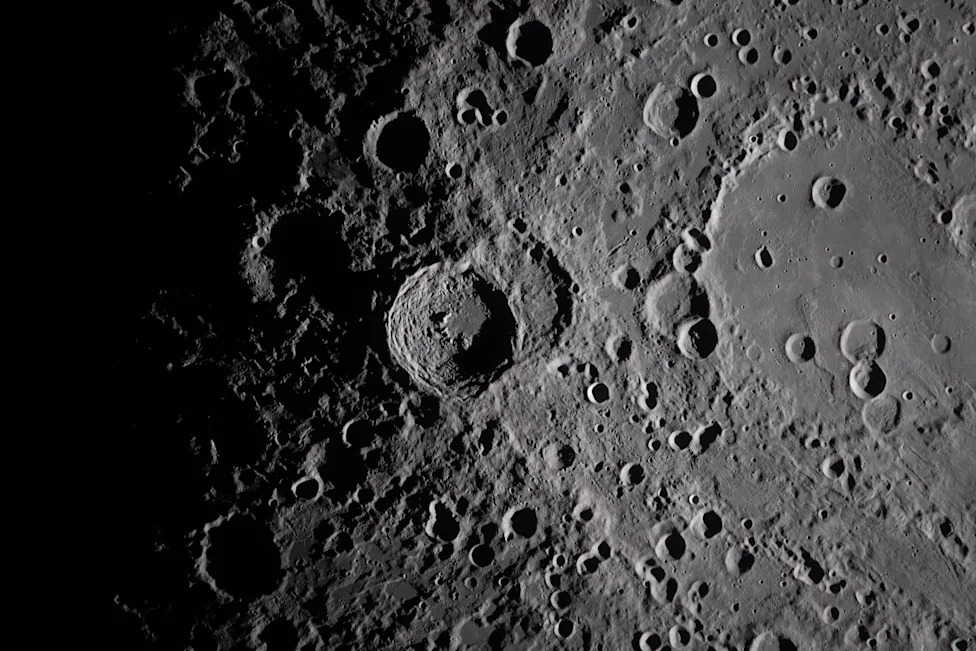
Shadows Across Vavilov CraterA close-up view taken by the Artemis II crew of Vavilov Crater on the rim of the older and larger Hertzsprung basin.(NASA)
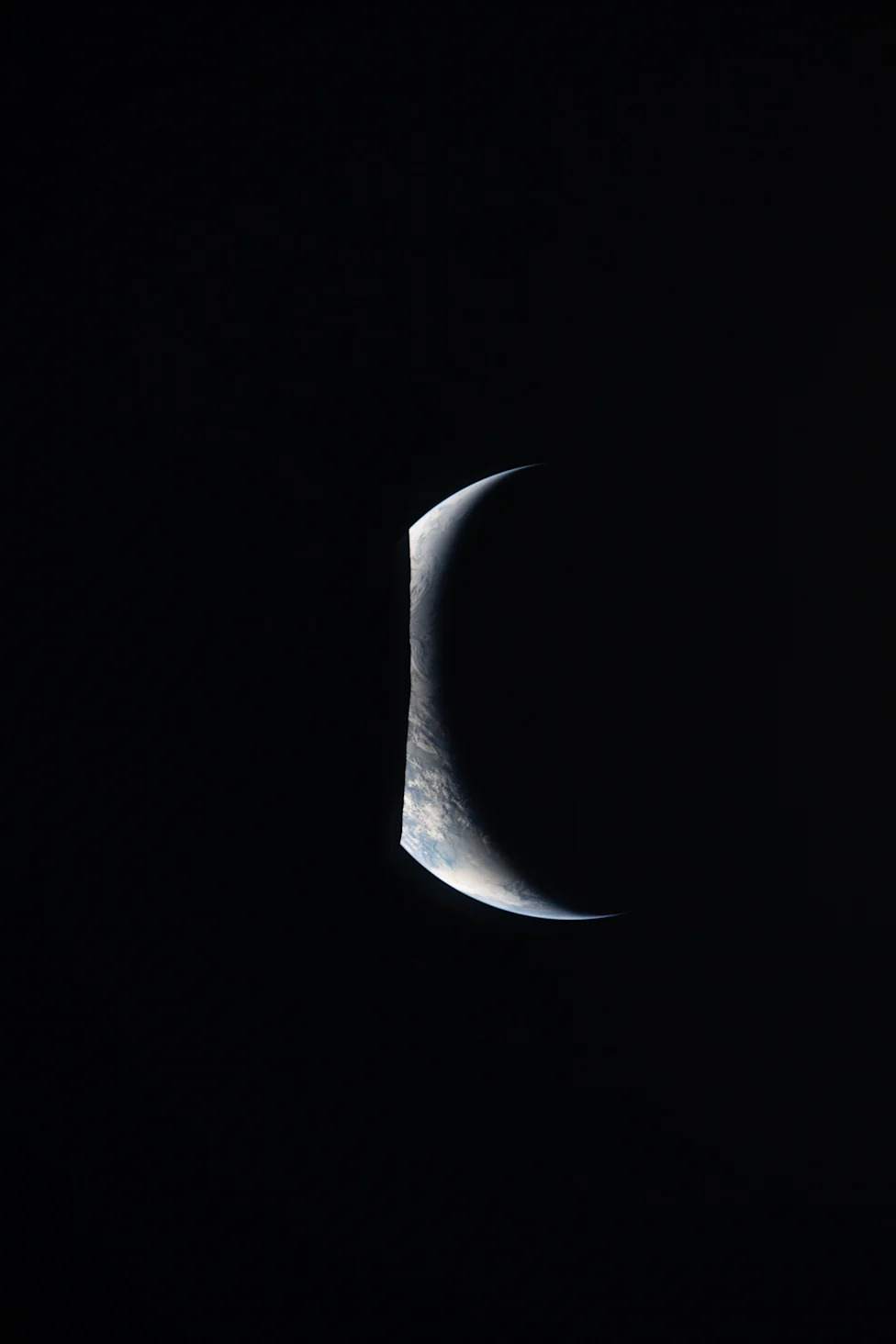
Artemis Era EarthriseEarthrise captured through the Orion spacecraft window at 7:22 p.m. ET during the Artemis II crew’s flyby of the Moon’s far side.(NASA)
Help us improve.





















