
On Aug. 12 a total solar eclipse will cross Greenland, Iceland and parts of Europe — but most of the U.S. will only see a tiny partial eclipse. The same night the Perseid meteor shower peaks (best viewed pre-dawn Aug. 12–13), and on Aug. 27 a deep partial lunar eclipse will cover about 96% of the Moon. Travelers seeking totality should consider Iceland or Spain, where totality will last roughly one to two minutes.
Aug. 12 Sky Spectacle: Total Solar Eclipse Crosses Greenland, Iceland & Europe — Plus Perseids and a Deep Partial Lunar Eclipse
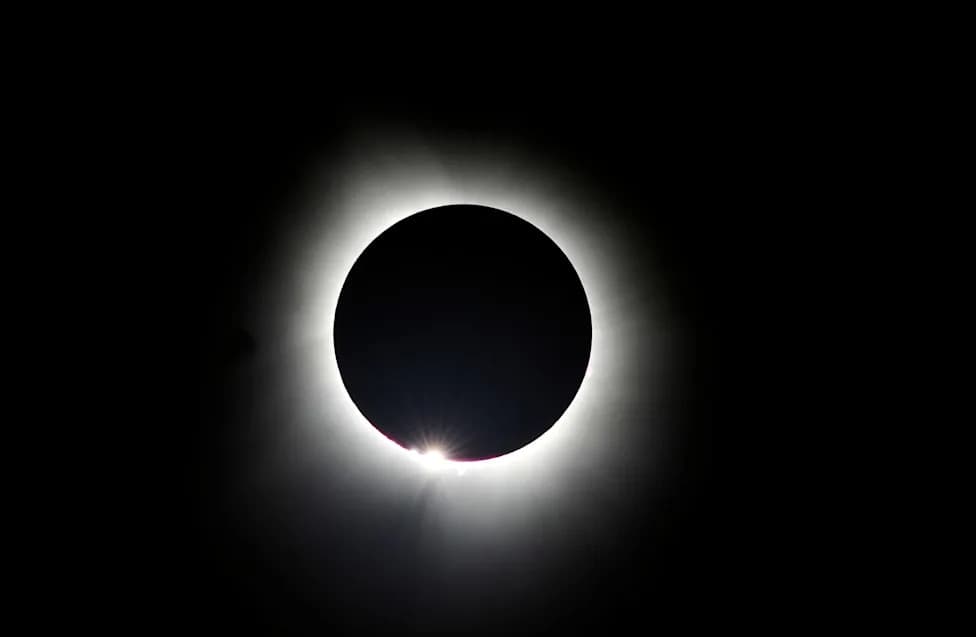
The nexttotal solar eclipse, on Aug. 12, will be visible in Greenland, Iceland and parts of Europe. Most of the U.S. will miss the show entirely while some northern states will get a small-percentage partial eclipse. A far cry from the 2024 show that took our breath away in Ohio.In case you're having a littleFOMOabout this one, let's look back at the 2024 eclipse that had us all looking toward the skies.(Cara Owsley/The Enquirer)
The skies in August deliver a rare triple treat: a total solar eclipse on Aug. 12 that will cross parts of Greenland, Iceland and Europe, the annual Perseid meteor shower around Aug. 12–13, and a deep partial lunar eclipse on the evening of Aug. 27. Most of the continental United States will miss the path of totality and will only see a very small partial solar eclipse.
Where To See the Aug. 12 Total Solar Eclipse
The Moon’s shadow will sweep across northern latitudes. Observers in northern Russia will see the very first moments of totality. Eastern Greenland will experience roughly two minutes of totality, western Iceland (including Reykjavik) will see about one minute, and towns along the path in Spain will get less than two minutes of totality. If you want to experience the Sun disappearing completely, you’ll need to travel to locations along that narrow track.
Quick Safety Reminder
Never look directly at the Sun without proper solar viewing glasses or a certified solar filter for binoculars or cameras. Totality is the only time it is safe to view the eclipse with the naked eye, and only while the Sun is completely covered.
Perseid Meteor Shower — Aug. 12–13
The Perseids occur each year as Earth passes through debris from Comet Swift–Tuttle. Peak activity for most observers is during the pre-dawn hours of Aug. 12 and 13 (roughly 2–5 a.m.). While some sources cite peak rates of 50–100 meteors per hour under ideal dark-sky conditions and with the Moon absent, a realistic expectation for many viewers—especially where moonlight or light pollution is present—is about 10–20 meteors per hour. To maximize your chances: find a dark location, let your eyes adapt for 20–30 minutes, and look toward a broad area of sky rather than at one point.
Partial Lunar Eclipse — Evening of Aug. 27 (Visible Across the U.S.)
About 15 days after the solar eclipse, the Moon will pass through Earth’s shadow. This event on Aug. 27 is a deep partial lunar eclipse: the Moon will not enter Earth’s darkest central shadow (the umbra) completely, but roughly 96% of the lunar disk will be covered at maximum, producing dramatic shading and possible reddish or dusky colors.
Approximate Timeline (Local Times)
- 10:33 p.m. — Partial eclipse begins: the Earth’s shadow will appear on the lower-left of the Moon.
- 12:12 a.m. (Aug. 28) — Maximum eclipse: about 96% of the Moon is shaded; the deepest colors will appear on the lower-left portion.
- 1:52 a.m. — Partial eclipse ends: the Moon returns to its full appearance.
Looking Ahead
The next major total solar eclipse after Aug. 12 will occur on Aug. 2, 2027, crossing parts of North Africa and the Arabian Peninsula and offering particularly long durations of totality (up to about 6 minutes, 23 seconds) in favorable locations. The next total lunar eclipse will occur on Dec. 31, 2028.
Viewing Tips
- Use certified solar viewers or solar filters for any direct solar observation.
- For meteor watching, choose a dark site away from city lights and allow your eyes time to adapt.
- Bring a reclining chair or blanket and dress for the overnight/early-morning temperatures.
- Check local weather and eclipse timing for your exact location before traveling.
Dean Regas, an astronomy educator and author, plans to view the Aug. 12 total solar eclipse from Spain. For more information, see www.astrodean.com.

Ethan Vazquez, 3, enjoys his new space helmet his parents Ezequiel Vazquez and Erika Zayas purchased for him Monday, April 8, 2024 at the National Museum of the United States Air Force near Dayton. The family who recently moved to Dayton from Puerto Rico attended the museum's free eclipse watch party.(Cara Owsley/The Enquirer)
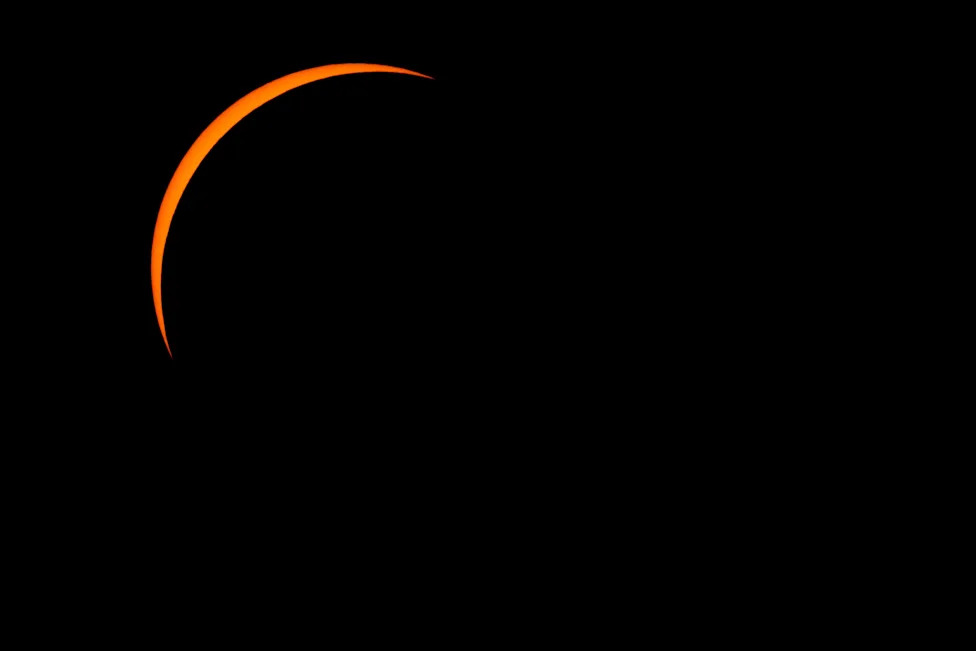
A view of the eclipse at Miami Whitewater Forest as it is near totality.(Albert Cesare/The Enquirer)

A man raises his eclipses glasses as the eclipse is in totality at the National Museum of the United States Air Force near Dayton. Dayton experienced 2 minutes and 43 seconds of totality.(Cara Owsley/The Enquirer)
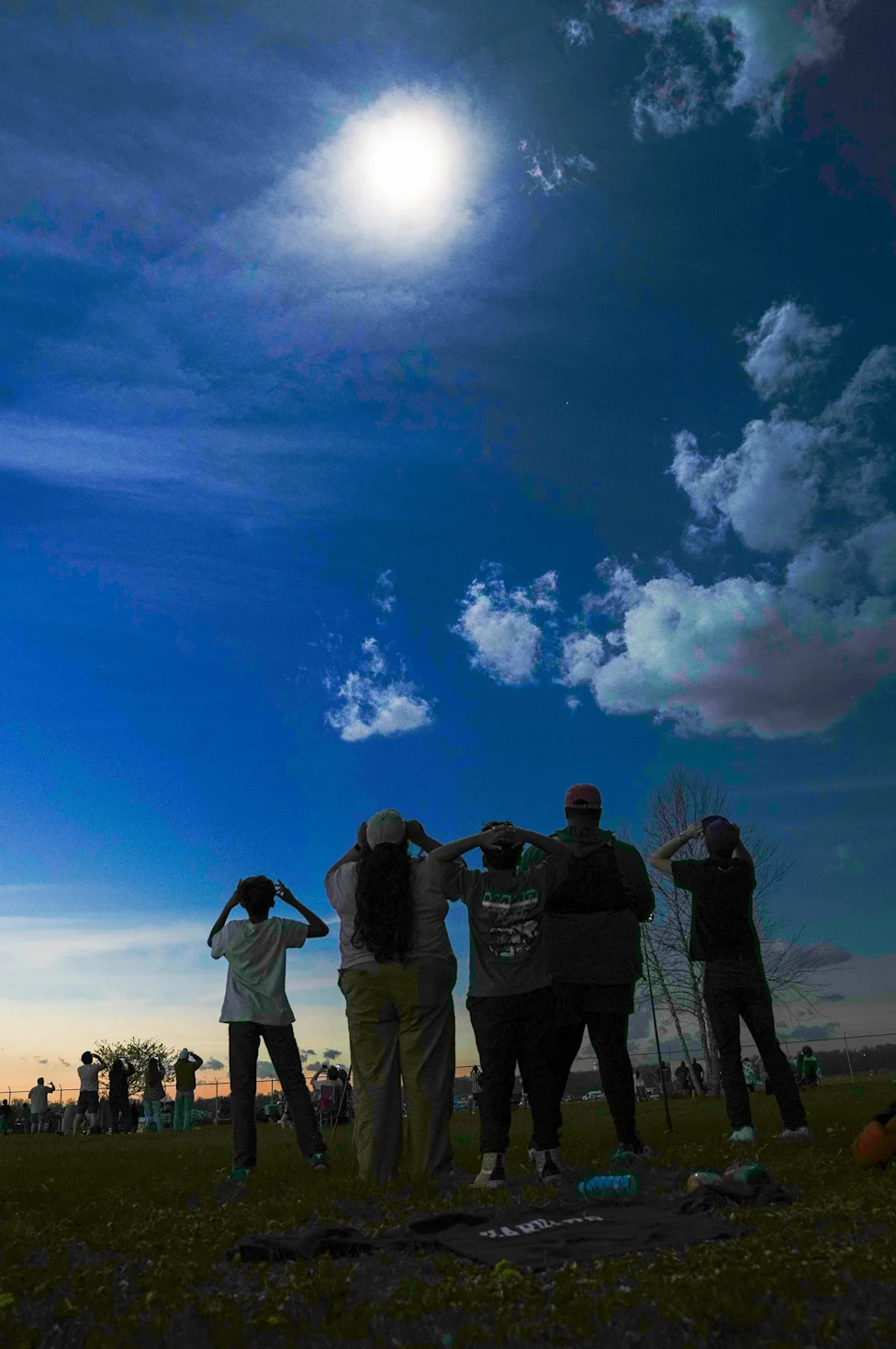
April 8, 2024, marked the first time since 1806 that Ohio witnessed a total solar eclipse.(Cara Owsley/The Enquirer)

Local couple Samantha Palmer and Gerald Lester are minutes away from tying the knot at Trenton’s Solar Eclipse Mass Wedding Ceremony officiated by Mayor Ryan Perry. Trenton Community Park is bustling with families and dotted with brides and grooms.(Grace Tucker / The Enquirer)
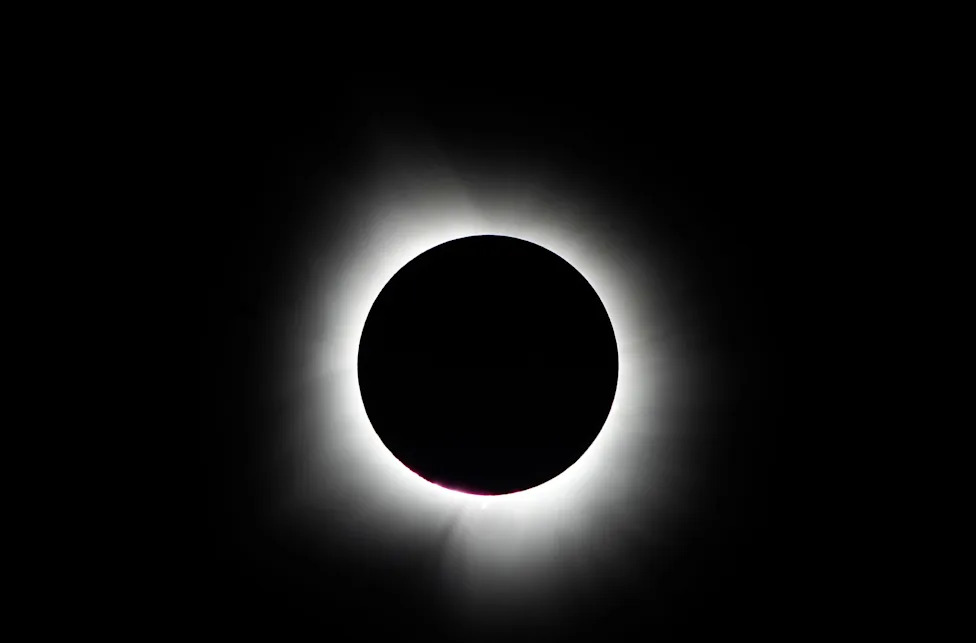
The 2024 solar eclipse in totality. The big show.(Cara Owsley/The Enquirer)
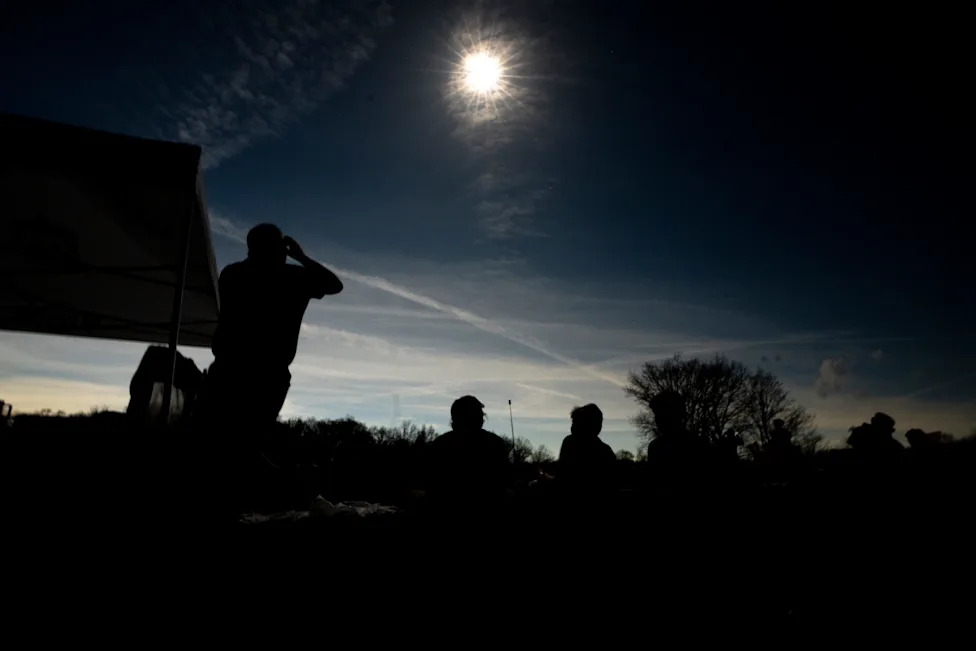
People watch as the world darkens during the total solar eclipse at Miami Whitewater Forest.(Albert Cesare/The Enquirer)

Paul Print, with his daughter, Aubrielle and wife, Rashida, of Burlington, Kentucky, watch the eclipse at Summit Park in Blue Ash. The area was in about 99 percent totality.(Liz Dufour/The Enquirer)
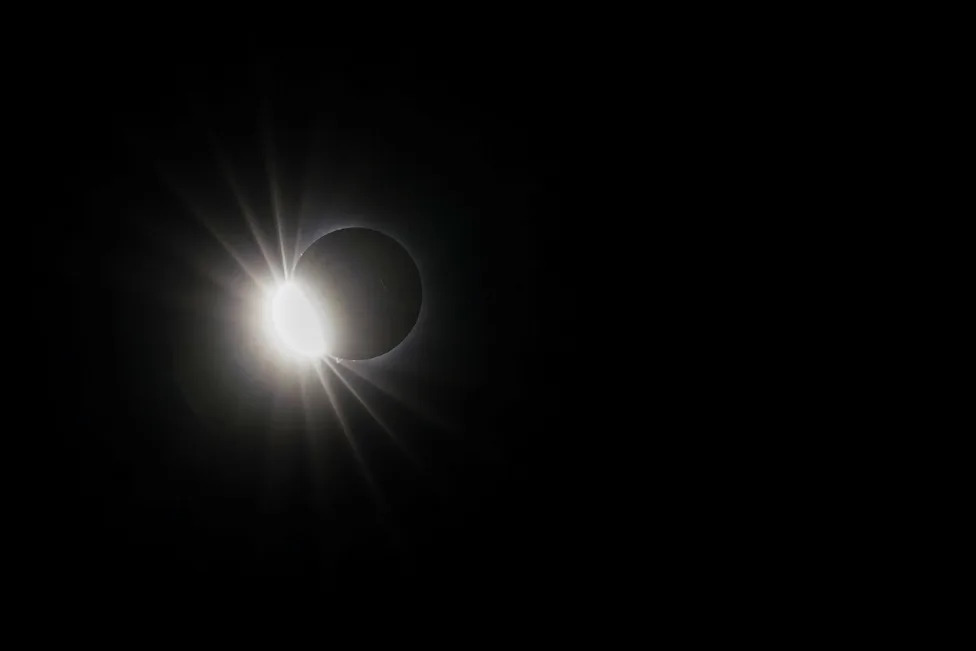
At about 99 percent of the sun blocked by the moon, from Washington Park.(Kareem Elgazzar/The Enquirer)
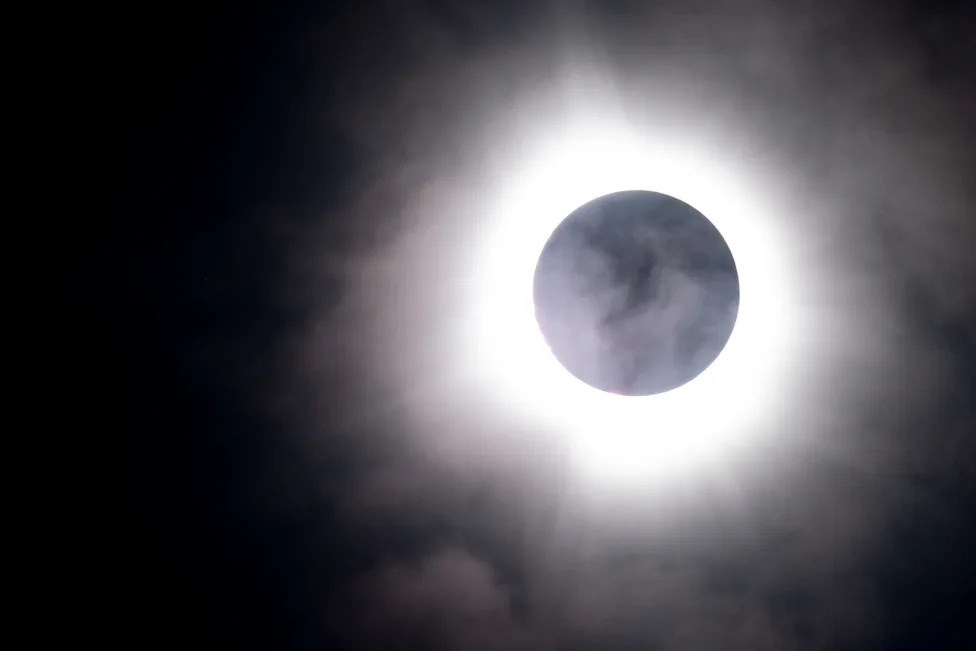
Another shot of totality from Miami Whitewater Forest.(Albert Cesare/The Enquirer)
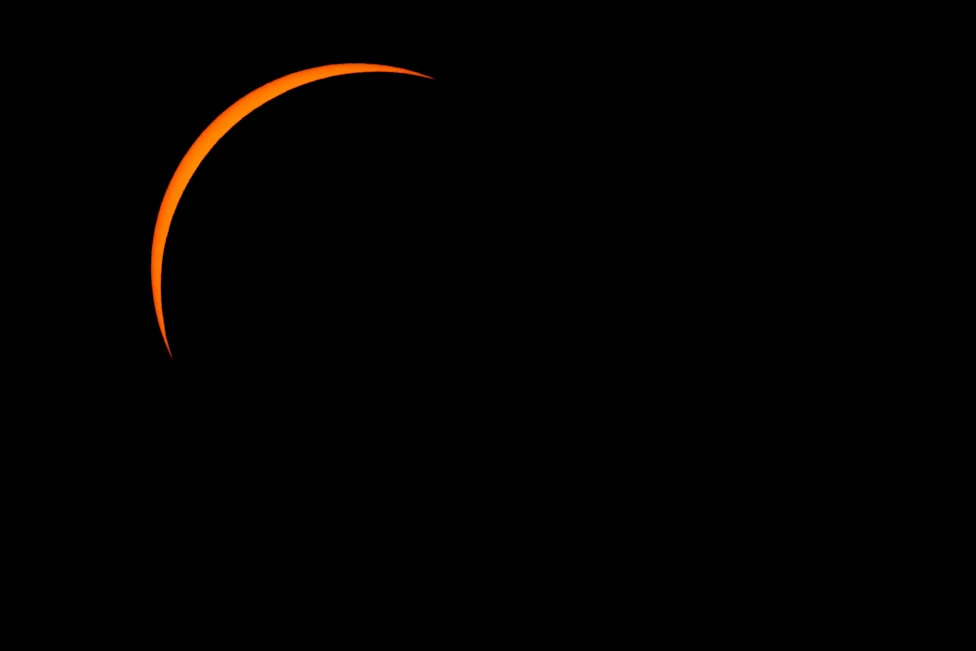
The sun peeks from behind the moon.(Albert Cesare/The Enquirer)
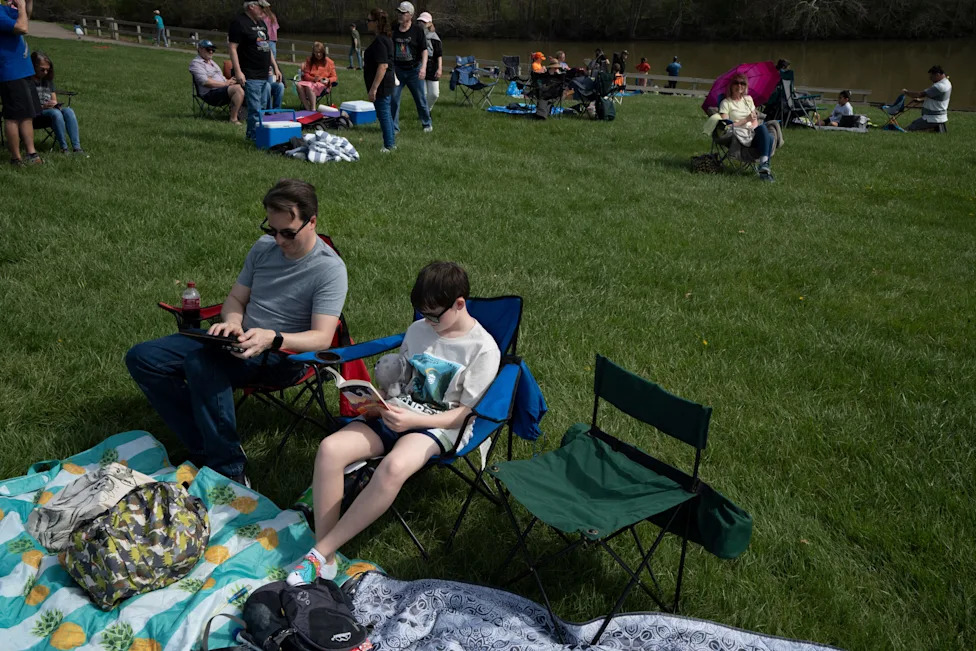
Josh Hendrickson and Zeke Hendrickson, 11, read while waiting on the eclipse.(Albert Cesare/The Enquirer)
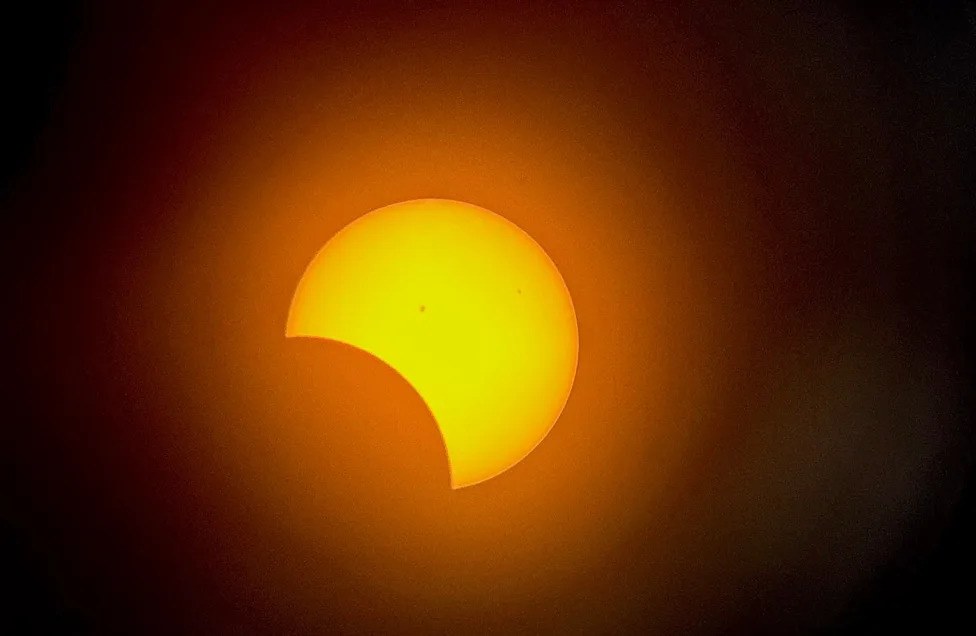
The moon takes a bite out if the sun.(Cameron Knight / The Enquirer)

Robert Hitt watches a total solar eclipse at Miami Whitewater Forest.(Albert Cesare/The Enquirer)
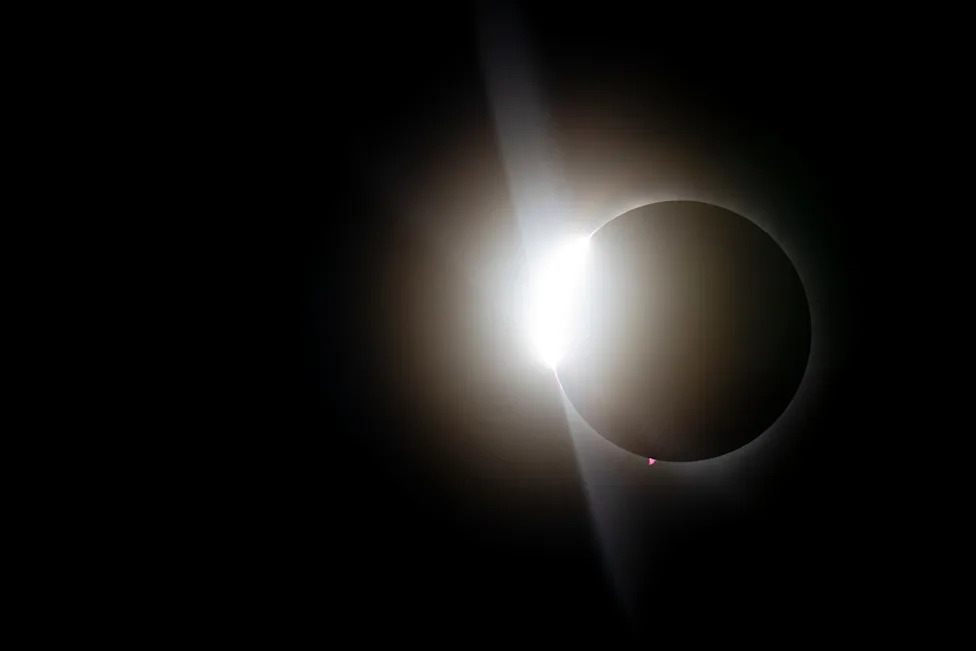
Near totality, solar eruptions became visible, powerful jets of gases shooting off the sun’s surface.(Albert Cesare/The Enquirer)
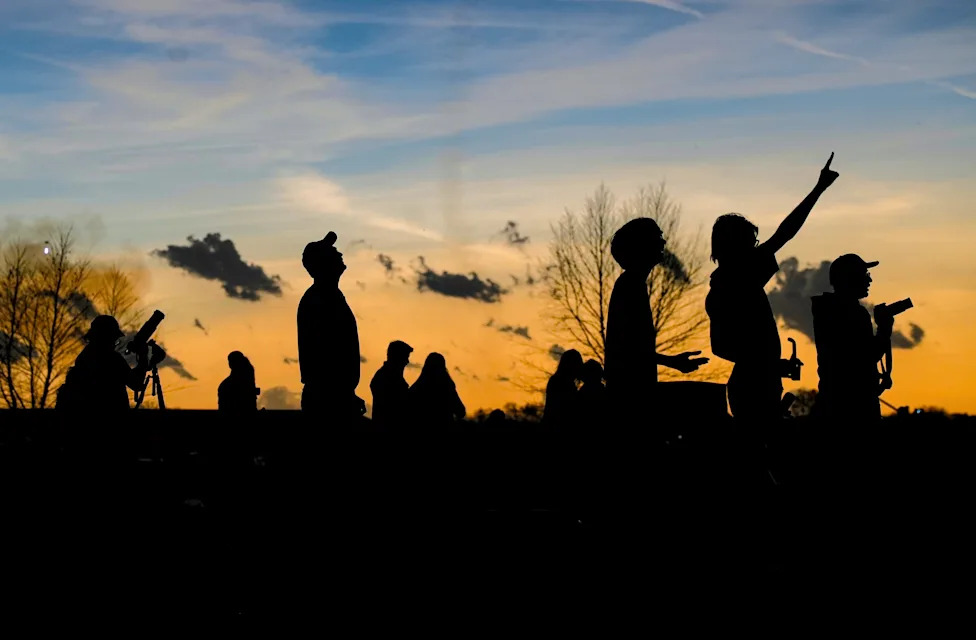
People view the eclipse in totality.(Cara Owsley/The Enquirer)

Dominic Wood, 5, gets help with his newly made eclipse glasses from his father, Wesley Wood.(Cara Owsley/The Enquirer)
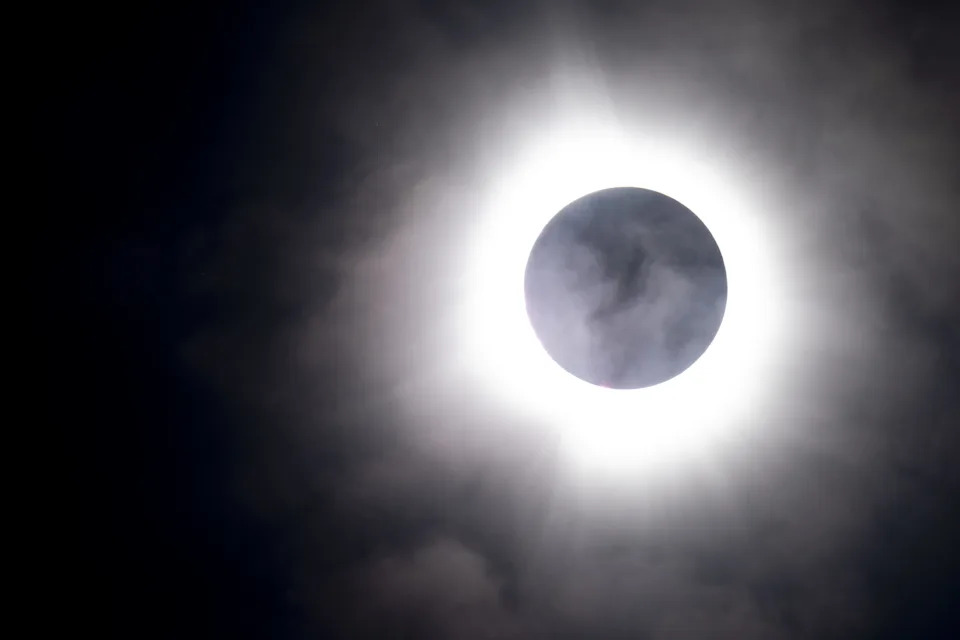
A view of the total solar eclipse at Miami Whitewater Forest in Miami Township on Monday, April 8, 2024.
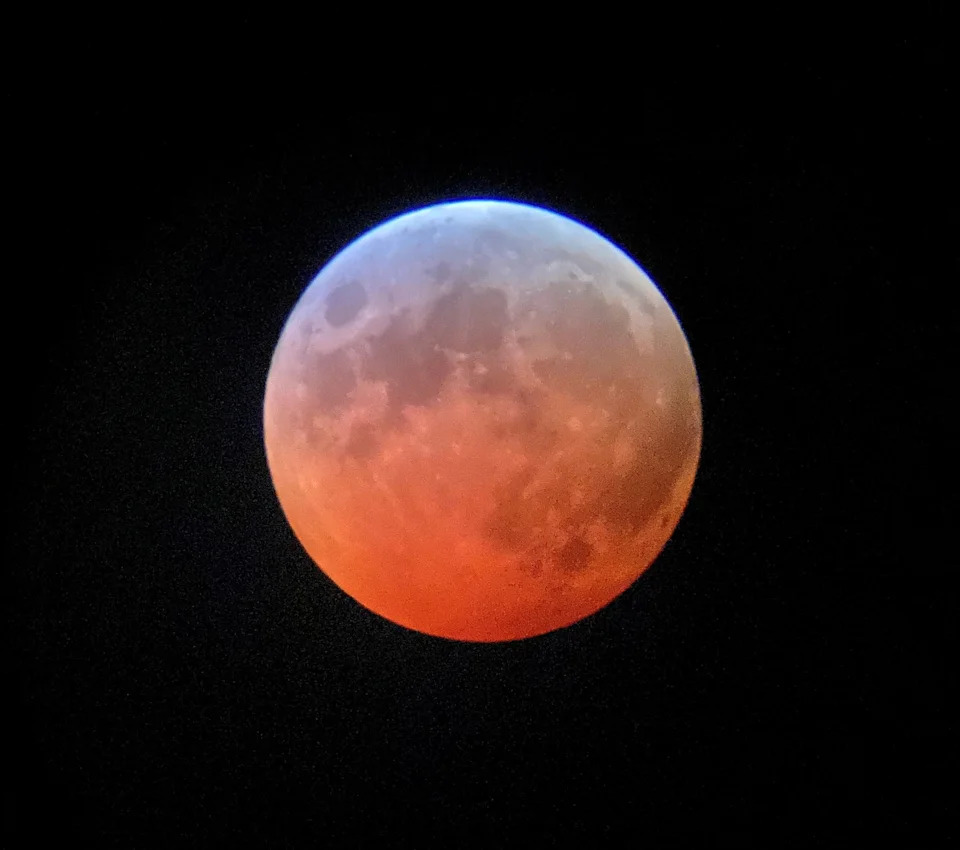
A total lunar eclipse on March 14, 2025.
Help us improve.





















