The article examines how graphic violence and self‑harm now reach users’ screens with little warning, using Perez Hilton’s 15‑minute TikTok livestream as a recent example. It traces the debate from the Daniel Pearl controversy to modern bystander videos that exposed police violence, noting how reduced human moderation and algorithmic distribution have widened exposure. The piece asks whether constant access to disturbing footage informs the public or numbs society, and calls for stronger moderation, transparency, and ethical standards.
When Violent Images Find Us: Perez Hilton, Social Media Moderation, and the Ethics of Witnessing

Perez Hilton Ethan Miller / Getty Images
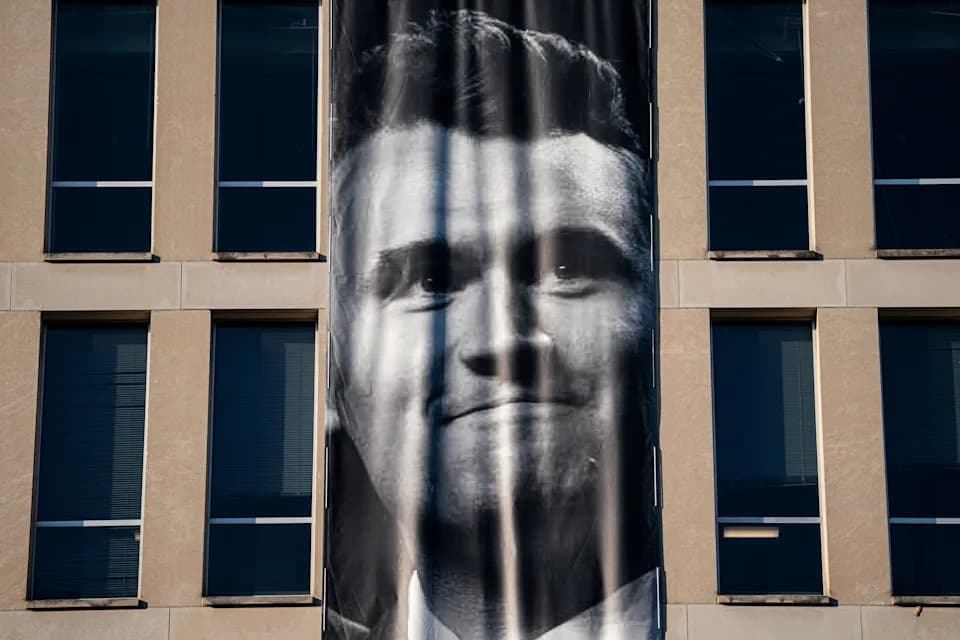
Perez Hilton — born Mario Armando Lavandeira Jr. — livestreamed an episode of self‑harm on TikTok that ran for roughly 15 minutes before it was removed. Although local authorities later said he was taken from his Miami home to a hospital for medical care, screenshots and short clips of the livestream spread across social platforms, appearing in countless timelines and in many cases arriving unbidden on people's phones.
This episode is symptomatic of a broader problem: graphic real‑time footage now travels so quickly and pervasively that it can desensitize viewers and erase the old choices about whether, when and how to look.
Context: A Digital Life Before Endless Feeds
Curious about Hilton’s earlier work, the author revisited a 2002 short film titled "Dating Up" — a pre‑social‑media artifact not listed on his IMDb or Wikipedia pages. The contrast is striking: the early 2000s still required people to seek out shocking material. YouTube arrived in 2005, Instagram in 2010, and TikTok later; each platform changed how quickly and widely disturbing footage can spread.
Then and Now: Public Debates About Viewing Horrific Content
The circulation of Daniel Pearl’s filmed execution in 2002 sparked a serious public debate about whether viewing such images serves the public interest or simply indulges voyeurism. Some commentators argued that public exposure was a ghoulish affront to victims’ families; others maintained that bearing witness to evil can be a civic obligation.
That tension — civic witnessing versus voyeurism — reappears in contemporary examples. The 2011 Arab Spring videos helped reveal state violence to an international audience. Bystander recordings in the U.S. have exposed police brutality for decades, from George Holliday’s 1991 tape of the Rodney King beating to Oscar Grant’s killing in 2009 and the more recent clips of Eric Garner (2014), Philando Castile (2016) and George Floyd (2020). These recordings have at times spurred protests, policy conversations and legal scrutiny.
Platforms, Moderation, And Algorithmic Distribution
Platforms today distribute content algorithmically and at scale. Human moderation teams that once tightly policed major platforms have been reduced, and automated systems are now often the front line. TikTok told the Los Angeles Times that automated systems flagged Hilton’s livestream within minutes, that other live streams were closed within 90 seconds, and that the account was ultimately banned — but the company acknowledged that removal was delayed by what it called a "moderator error." TikTok had previously banned Hilton in 2020; at that time his account reportedly had about 1.6 million followers and averaged roughly 10 million views per week.
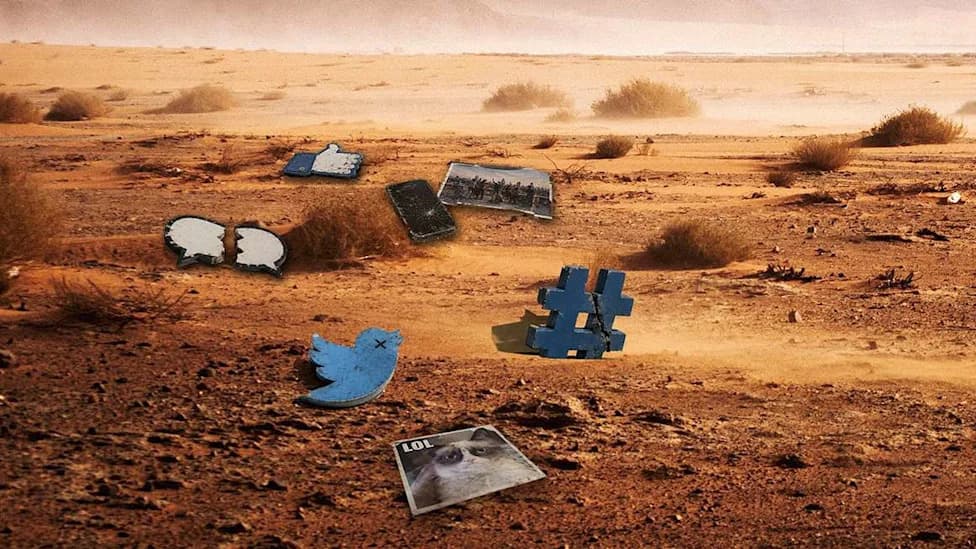
Meanwhile, platforms like X and Meta have reframed moderation priorities in the name of reducing perceived censorship, which critics say has loosened guardrails against harmful content. The result: graphic footage can surface in feeds before context, warnings, or effective removal.
The Ethical Question We Keep Avoiding
When violent or self‑harm footage is easy to encounter without seeking it out, the old debates about whether to publish or watch are harder to hold. Does wide access to graphic material educate the public and prompt accountability, or does it normalize violence and erode dignity? The answers are not simple: footage has undeniably exposed wrongdoing and galvanized movements, but it has also spread trauma and commodified suffering.
Platforms must strengthen moderation and transparency, and users should demand better tools and context. We also need clearer norms about when graphic imagery is essential to public understanding and when it merely invites voyeurism.
If you or someone you know is in crisis, please call the Suicide & Crisis Lifeline at 988 or text TALK to 741741 (U.S.).
Help us improve.