
A six-planet "parade" will be visible around Aug. 12, with possible sightings on Aug. 11–13 depending on local sunrise and horizon conditions. The lineup from east to west/southwest will include Jupiter, Mercury, Mars, Uranus, Saturn and Neptune; Mars and Jupiter will be among the brightest. Uranus will usually need binoculars and Neptune typically requires a telescope. Observers should arrive ~45 minutes before sunrise, choose a clear eastern/southern horizon, and avoid light pollution.
Six-Planet 'Parade' Will Light Up the Predawn Sky Around Aug. 12 — How and When to See It
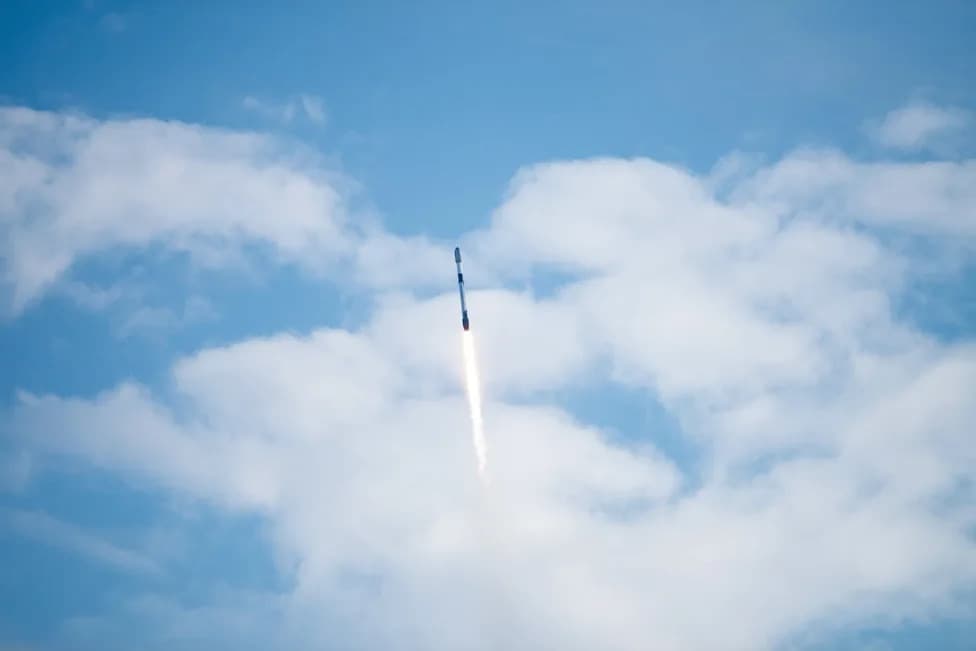
A Falcon 9 rocket launches July 13 on a mission to deliver SpaceX's Starlink satellites to its constellation in low-Earth orbit.(Provided by the Vandenberg Space Force Base)
A six-planet "parade" will be visible around Aug. 12, offering an early-morning spectacle for skywatchers in both hemispheres. From Earth, several planets appearing near one another across the sky produce the striking visual effect often called a planetary parade or alignment.
When and Where To Look
The primary date for the event is Wednesday, Aug. 12. In many places the best viewing will be during the predawn hours before sunrise, though observers may also catch the lineup on Tuesday, Aug. 11 or Thursday, Aug. 13 depending on local sunrise times and horizon conditions. The spectacle will be visible across both the Northern and Southern Hemispheres.
Planets In Order (East To West/Southwest)
StarWalk lists the planets that will appear, from east toward the west/southwest, as:
- Jupiter
- Mercury
- Mars
- Uranus
- Saturn
- Neptune
What You Can Expect To See
Several of these worlds will be bright enough to see with the naked eye; others will need optical aid. Mars and Jupiter are among the brightest and easiest to spot. Uranus generally requires binoculars for a clear view, while Neptune is faint and usually needs a small telescope. Mercury and Jupiter will sit low near the horizon; they can be blocked by terrain or lost in the Sun’s glare if the horizon is not unobstructed.
“The term planetary parade is a colloquial term. It's not an official astronomical one,” Andrew Fazekas, communications manager for Astronomers Without Borders, said previously. “It just simply means that the planets are visible in, generally, the same area of the sky.”
Viewing Tips
- Get up early: arrive at your chosen spot at least 45 minutes before sunrise.
- Find a location with a clear, unobstructed view of the eastern and southern horizon.
- Avoid light pollution—travel away from city lights for the best contrast.
- Bring binoculars for Uranus and a telescope for Neptune if you want to try seeing the faintest worlds.
- Use stargazing apps (for example, Stellarium or SkySafari) to identify planets and check local rise times.
- Check the weather forecast and pack insect repellent for early-morning outings.
Other Celestial Events On Aug. 12
The planetary parade coincides with a total solar eclipse on Aug. 12. The total eclipse will not be visible from the contiguous U.S., though some parts of Alaska to North Carolina may see a partial solar eclipse with proper solar viewing glasses. Also, the Perseid meteor shower peaks from the evening of Aug. 12 into the morning of Aug. 13, giving observers another reason to watch the sky.
Quick Reality Check
True, exact alignment of all planetary orbits is virtually impossible. What observers see from Earth is a line-of-sight effect that makes planets appear close together across the sky—hence the informal term "planetary parade."
Good luck, and clear skies!
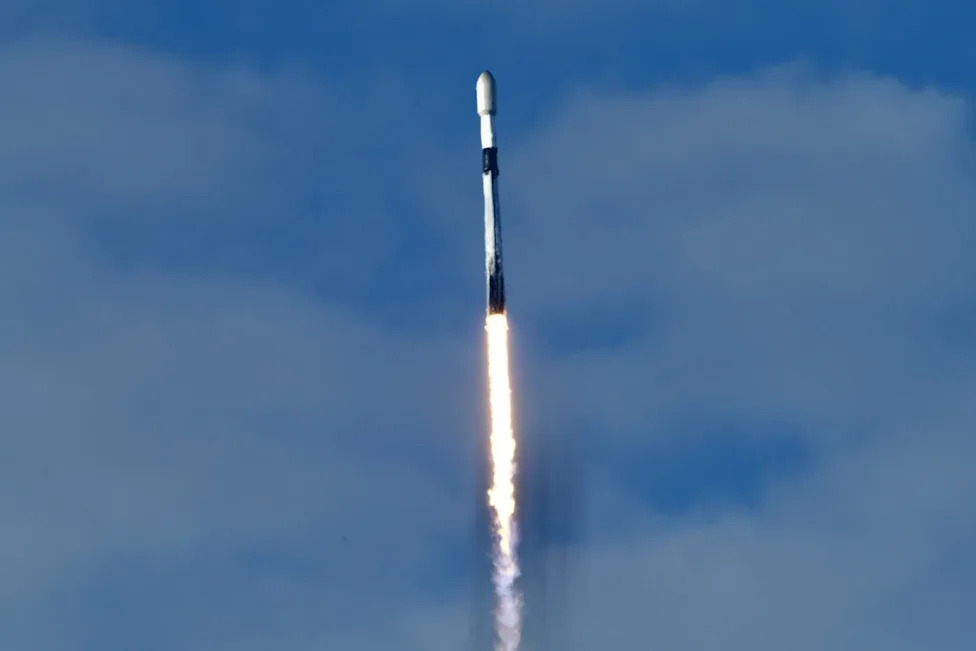
A SpaceX Falcon 9 rocket launches July 21 from the Vandenberg Space Force Base on a Starlink satellite deployment mission. The flight marked the 50th launch of 2026 in California.(Provided by the Vandenberg Space Force Base)
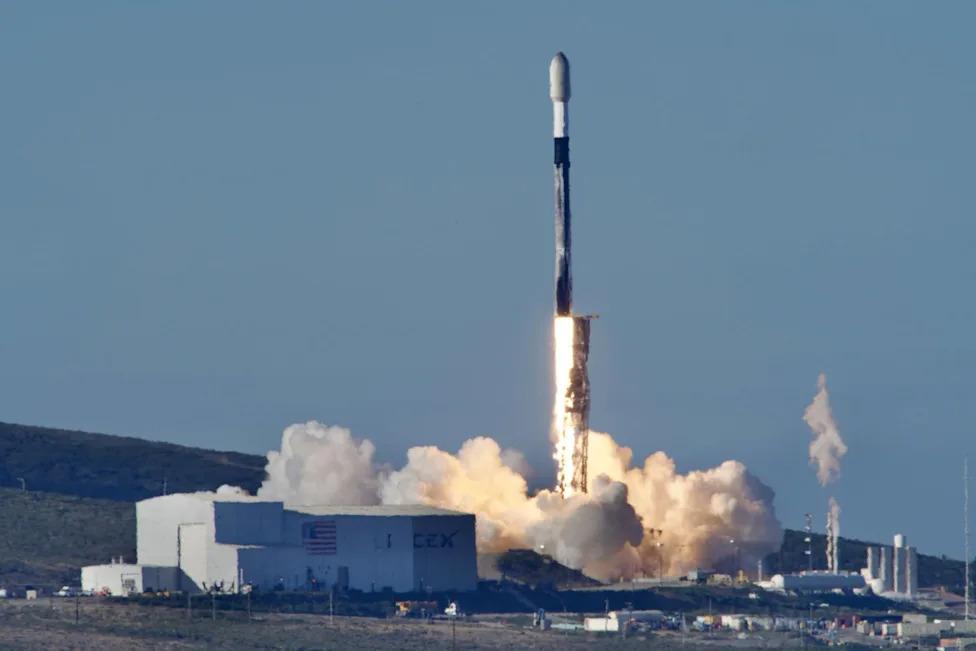
A SpaceX Falcon 9 rocket launches July 21 from the Vandenberg Space Force Base on a Starlink satellite deployment mission. The flight marked the 50th launch of 2026 in California.(Provided by the Vandenberg Space Force Base)
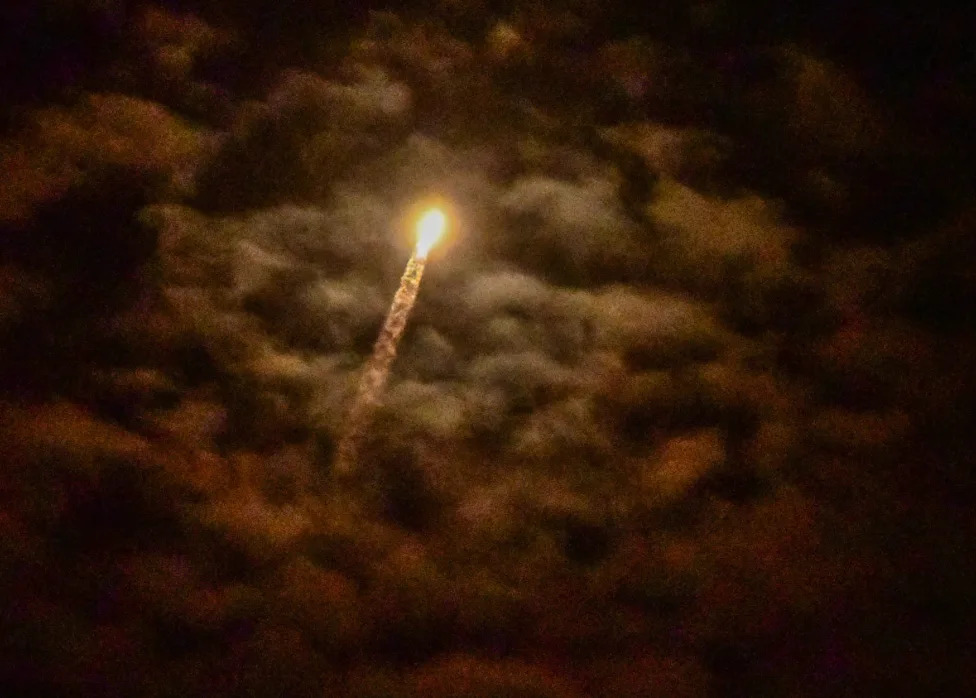
Launch of a SpaceX Falcon 9 rocket carrying 29 Starlink satellites into low-Earth orbit. Launch was at 5:10 a.m. on Tuesday, July 14 from Launch Complex 40 at Cape Canaveral Space Force Station in Florida.(Malcolm Denemark/USA TODAY Network)
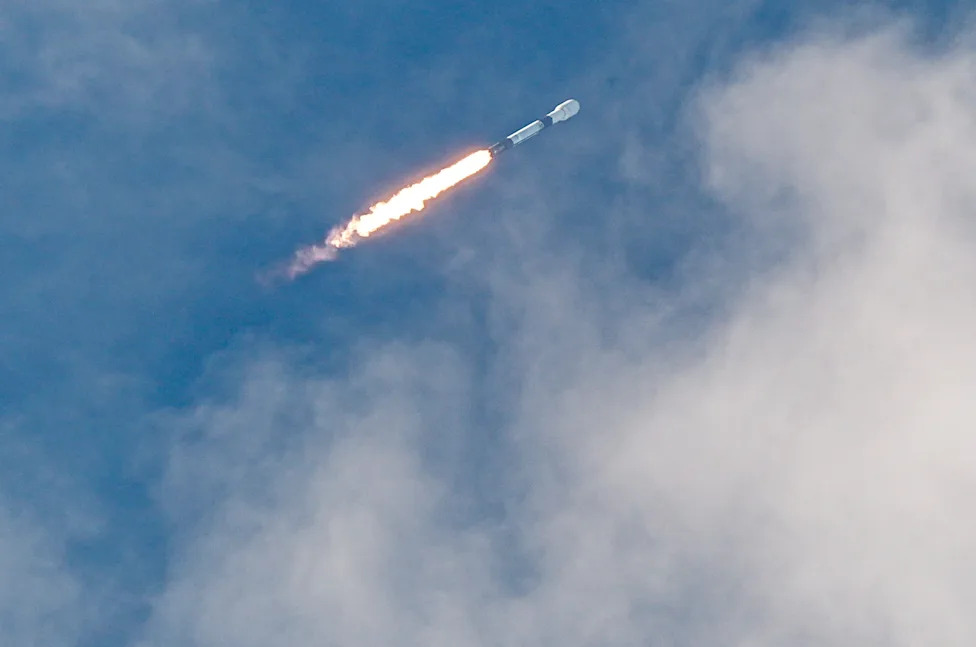
A SpaceX Falcon 9 rocket lifts off from Cape Canaveral Space Force Station July 21, 2026, carrying Northrop Grumman’s MRV-MEP satellite, designed to service other satellites while in orbit.(Craig Bailey/USA TODAY Network)
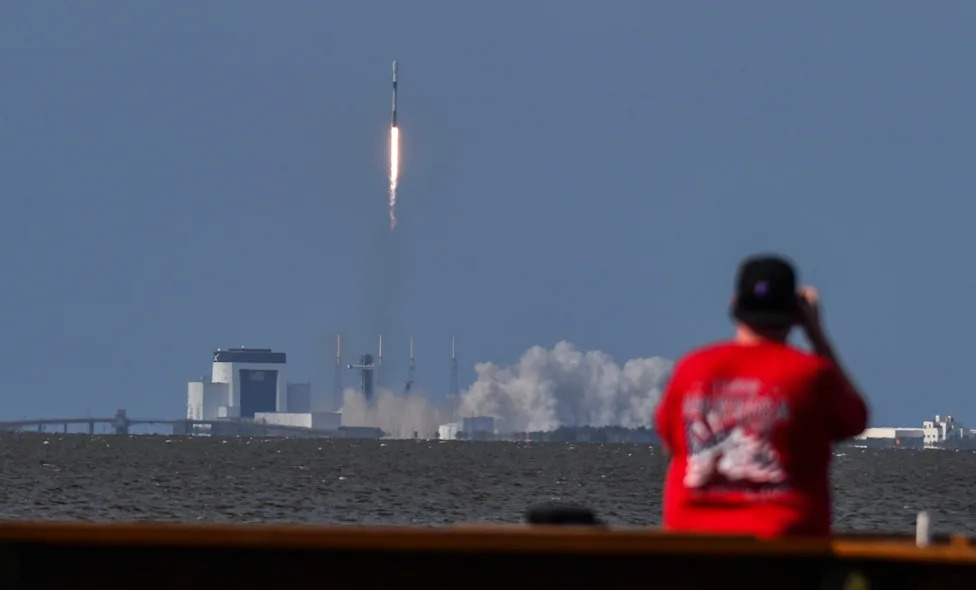
A spectator watches in Florida as a SpaceX Falcon 9 rocket lifts off from the Cape Canaveral Space Force Station.(Malcolm Denemark/USA TODAY Network)
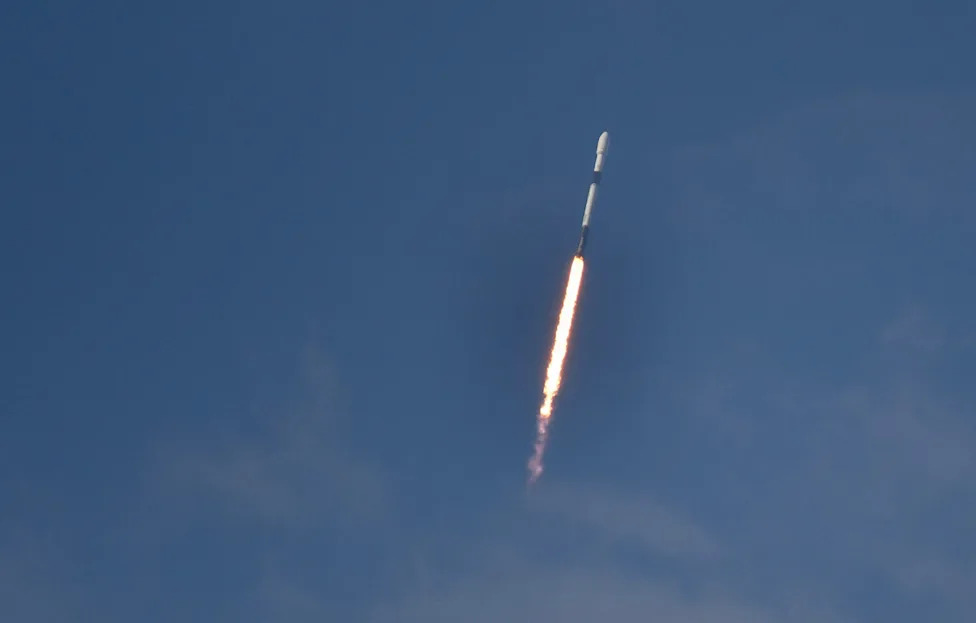
Launch of a SpaceX Falcon 9 rocket with Northrop Grumman's Mission Robotic Vehicle and Mission Extension Pod jetpacks. Launch was at 5:15 p.m. Tuesday, July 21 from Launch Complex 40 at Cape Canaveral Space Force Station in Florida.(Malcolm Denemark/USA TODAY Network)
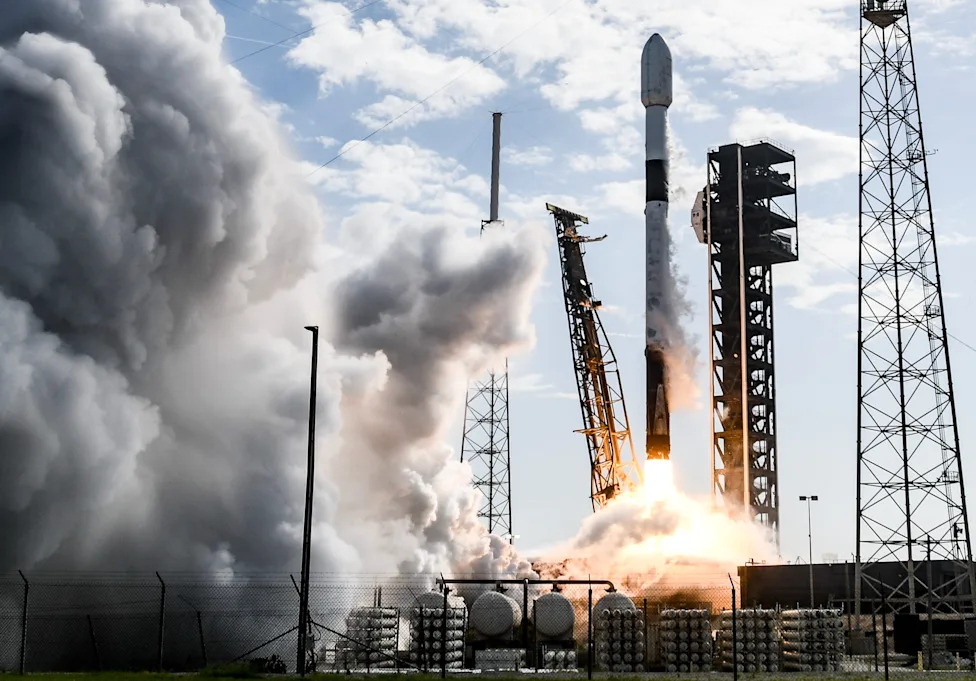
A SpaceX Falcon 9 rocket lifts off July 21 from the Cape Canaveral Space Force Station in Florida carrying Northrop Grumman’s MRV-MEP satellite, designed to service other satellites while in orbit.(Craig Bailey/USA TODAY Network)
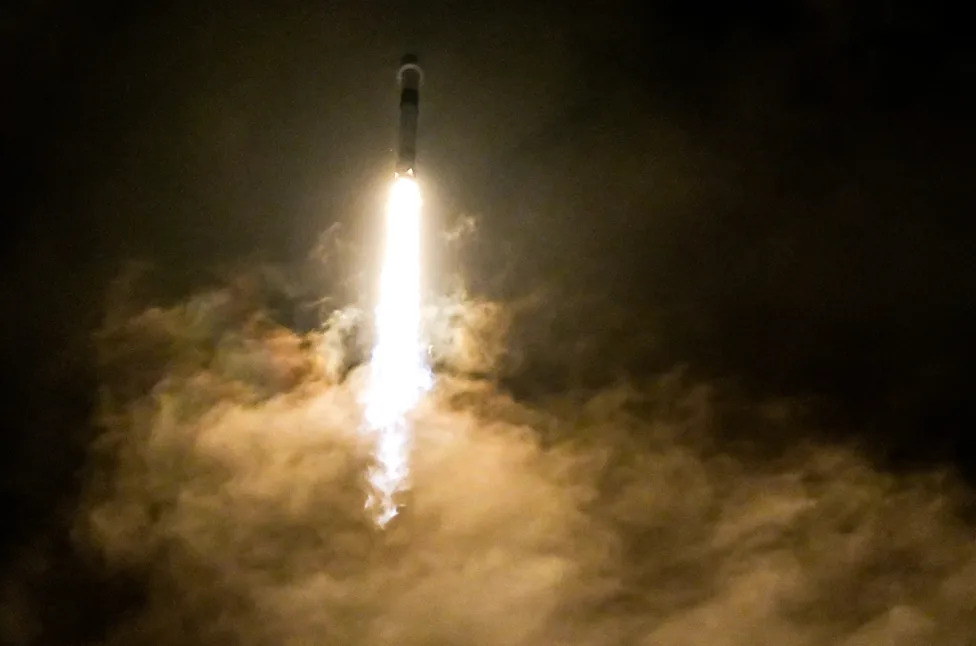
A SpaceX Falcon 9 rocket lifts off July 30 from the Cape Canaveral Space Force Station in Florida.(Craig Bailey/USA TODAY Network)
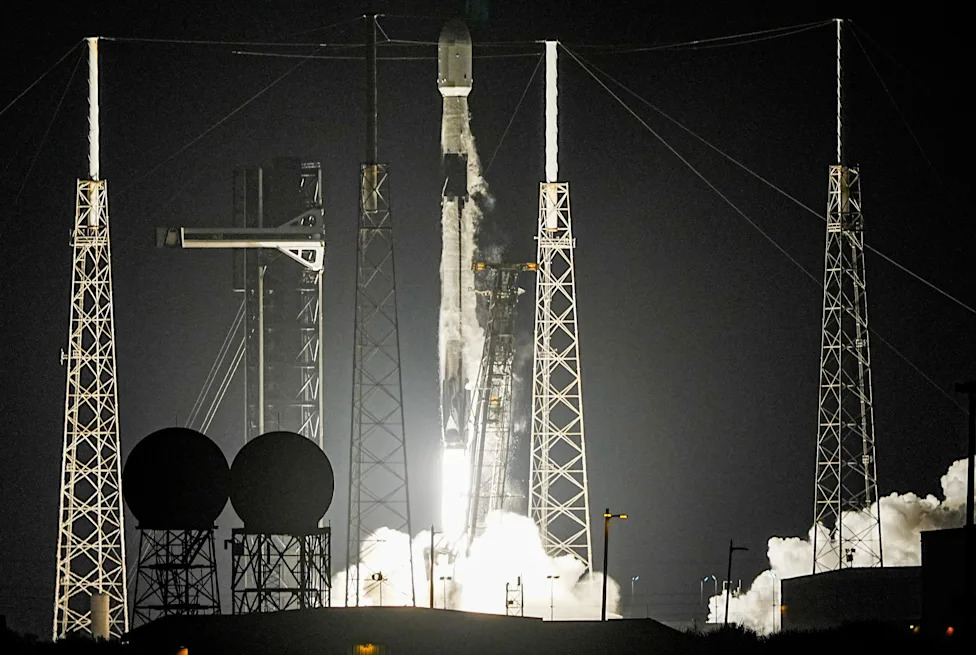
A SpaceX Falcon 9 rocket lifts off July 30 from the Cape Canaveral Space Force Station in Florida.(Craig Bailey/USA TODAY Network)
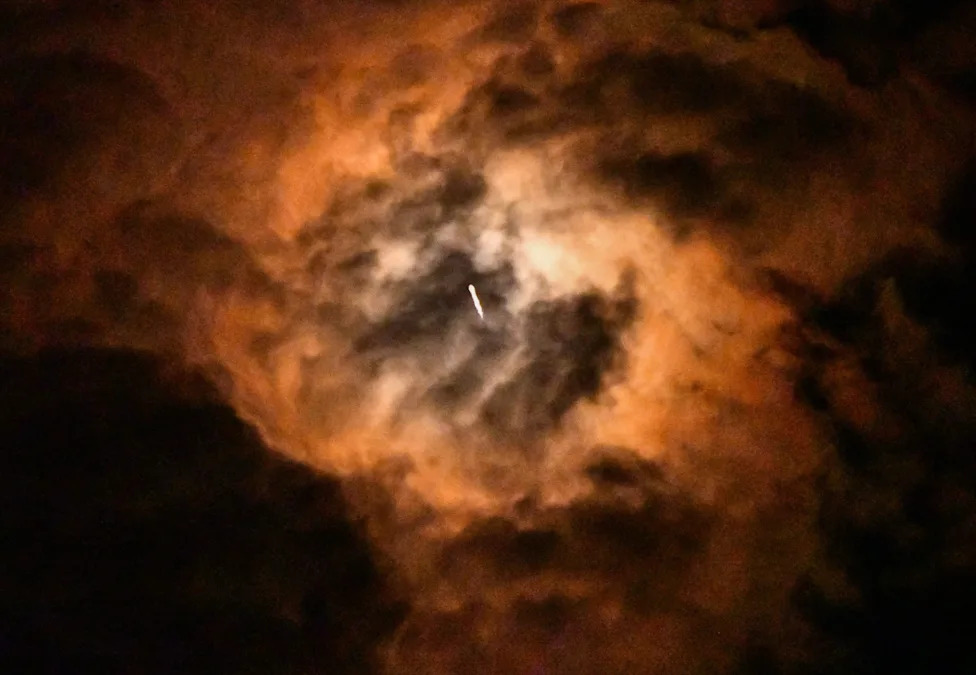
The July 30 launch of a SpaceX Falcon 9 rocket carrying a national security payload designed, built and operated by the National Reconnaissance Organization from the Cape Canaveral Space Force Station in Florida.(Malcolm Denemark/USA TODAY Network)
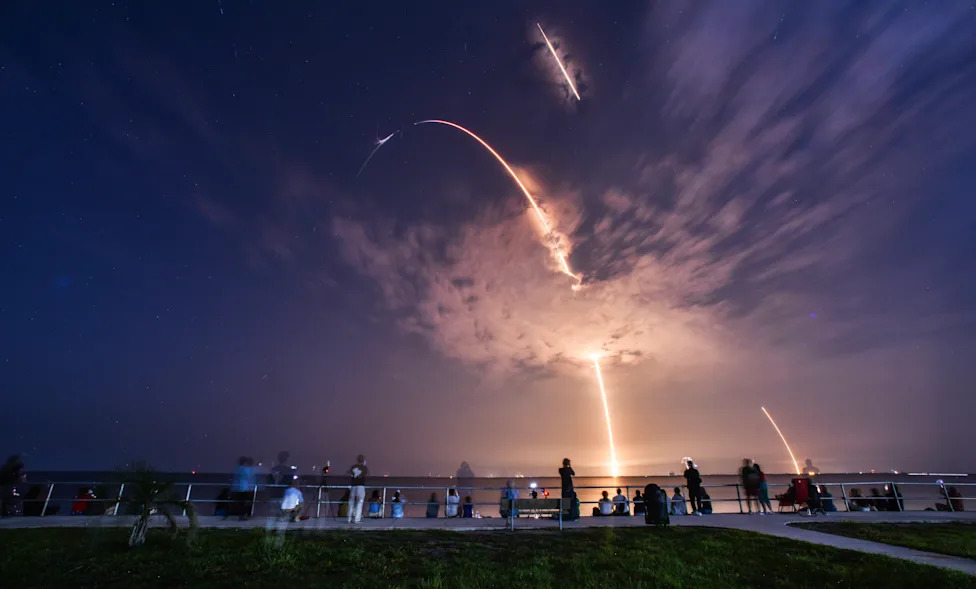
Spectators at Kennedy Point Park in Titusville watch the launch and booster landing of a SpaceX Falcon 9 rocket on July 30 carrying a national security payload designed, built and operated by the National Reconnaissance Organization. Liftoff took place from Launch Complex 40 at Cape Canaveral Space Force Station in Florida.(Malcolm Denemark/USA TODAY Network)
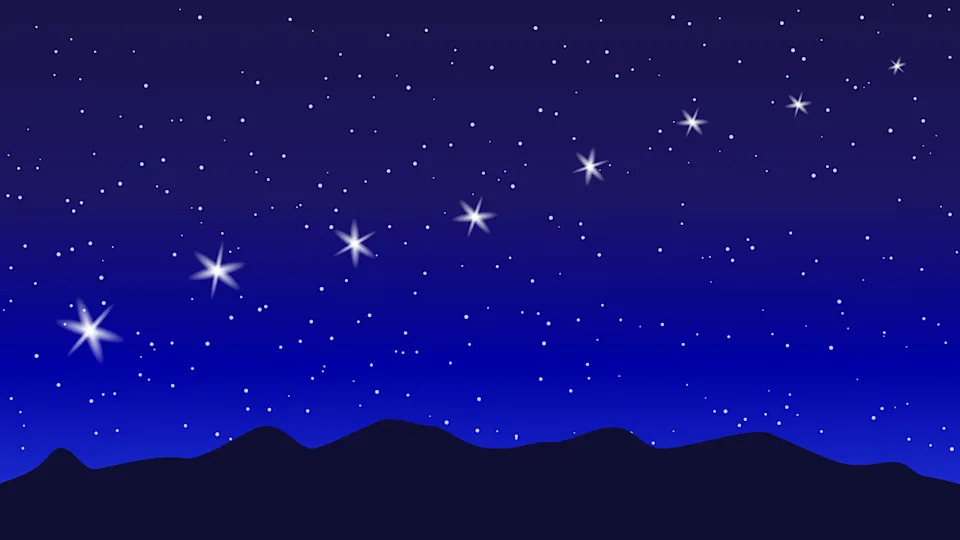
A planetary parade including six planets will be visible in the evening sky on Saturday, Feb. 28.
Help us improve.





















