Yale researchers propose a two-step, soil-preserving method to remove PFAS from farmland using crushed alkaline rock to mobilize PFAS and PFAS-absorbing crops (like hemp and red fescue) whose biomass is converted to biochar to lock remaining contamination. The study, led by Noah Planavsky and Jake Thompson and published in the Proceedings of the National Academy of Sciences, estimates about 1.2 million hectares of U.S. cropland are affected. The team reports a median remediation cost of ≈$1,460/ha/year (after carbon credits), far lower than excavation or thermal treatment, but stresses that additional field trials beyond Maine are needed.
Yale Proposes Low-Cost, Soil-Friendly Way To Remove PFAS From Farmland
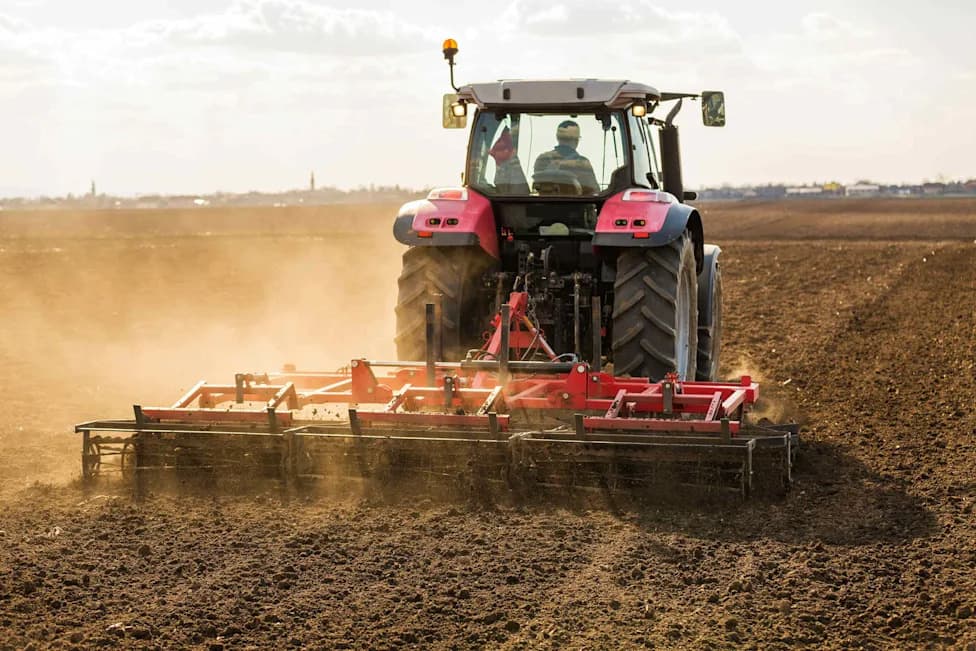
Credit: oticki / Getty Images
Yale researchers have outlined a two-step remediation strategy designed to remove per- and polyfluoroalkyl substances (PFAS) from contaminated farmland without destroying topsoil or taking fields out of production. The team, led by Noah Planavsky and Jake Thompson, published their findings in the Proceedings of the National Academy of Sciences in July.
Why This Matters
PFAS—often called “forever chemicals”—resist natural breakdown and can accumulate in agricultural soil for decades. In the U.S., researchers estimate about 1.2 million hectares (~2.96 million acres) of cropland may be significantly affected. Conventional cleanup options such as excavation and thermal treatment are expensive (roughly $800,000–$1.6 million per hectare) and remove the productive topsoil, making them impractical at scale.
The Two-Step Method
The Yale approach aims to be both affordable and compatible with continued farming:
- Step 1 — Alkaline Rock Amendment: Apply a thin layer of crushed alkaline rock to raise soil pH. Higher pH helps loosen PFAS from soil particles and increases uptake by selected plants.
- Step 2 — Phytoextraction + Biochar: Plant PFAS-absorbing crops (e.g., hemp and red fescue). Harvested biomass—now enriched with PFAS—is converted to biochar via high-temperature pyrolysis. Returning that biochar to the field helps immobilize remaining PFAS and reduce leaching to groundwater.
Costs and Benefits
The researchers estimate a median remediation cost of about $1,460 per hectare per year after accounting for potential carbon-credit revenue—orders of magnitude lower than excavation or thermal treatment. Applied across the estimated 1.2 million contaminated hectares, the conventional approach could cost on the order of trillions of dollars, while this method aims to be affordable and preserve soil health.
“There is an obvious need for new tools to help farmers affected by ‘forever chemicals’ contamination,” said Noah Planavsky. “This gives farmers agency over their land and can leave soil in better condition than before.”
Limits and Next Steps
The Yale model currently relies heavily on PFAS site data from Maine (where land application of sewage sludge was banned in 2022 after PFAS were found in dairy milk). Researchers caution that local soils, contamination mixtures, climate, and farming practices can affect outcomes, and they emphasize the need for broader field trials beyond Maine to validate effectiveness and refine implementation at scale.
Bottom line: The approach offers a promising, more affordable path to reduce PFAS risks on working farmland while retaining topsoil and farm productivity—but it requires additional real-world testing before widespread adoption.
Help us improve.