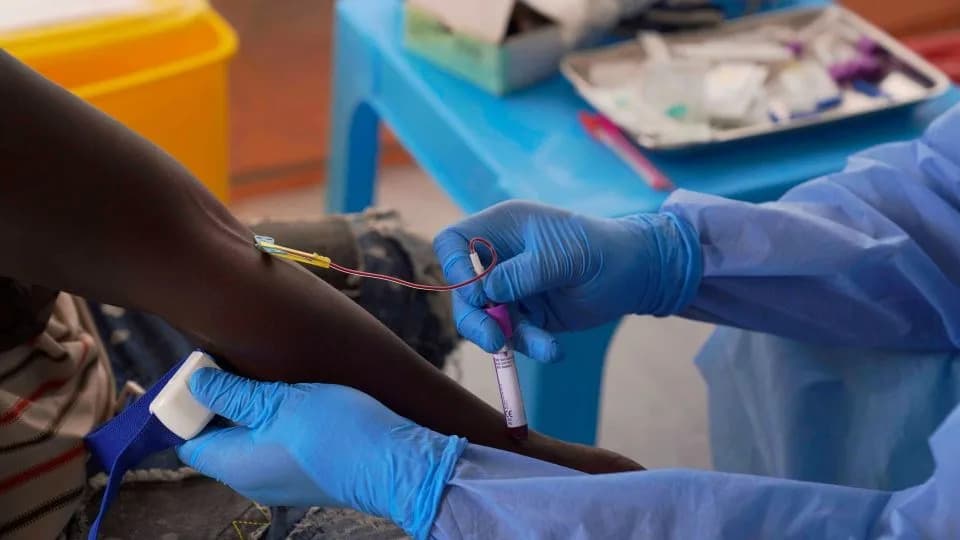
Moderna has opened a Health Canada–approved Phase I trial (NCT07737717) of mRNA-1469, an mRNA vaccine candidate targeting Bundibugyo ebolavirus, enrolling about 80 healthy adults at three Canadian sites. The programme is supported by CEPI, which has pledged up to $50 million and backed an agreement that would make at least 500,000 doses available at access pricing for low- and middle-income countries if the vaccine is licensed. The announcement coincides with Africa CDC and CEPI publishing a database of 45 clinical trial units across 17 African countries, underscoring growing regional capacity to conduct early-stage vaccine trials amid an outbreak responsible for over 3,000 cases and more than 1,400 deaths.
Moderna Launches Phase I Trial of mRNA Vaccine Targeting Bundibugyo Ebola as Africa Prepares to Host Research
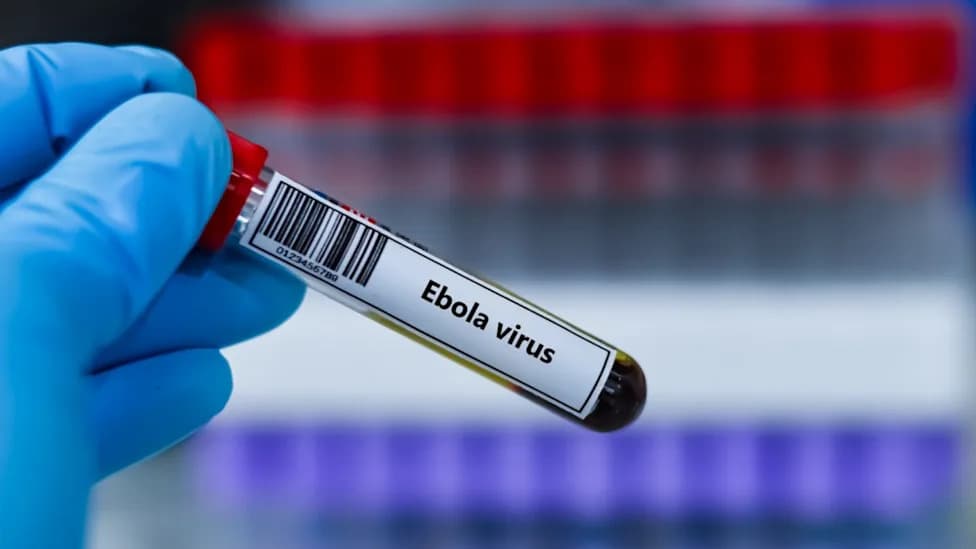
The Bundibugyo Ebola virus has been declared a public health emergency by the WHO. Credit: Kitsawet Saethao / Shutterstock.com
Moderna has launched a Health Canada–approved, first-in-human Phase I trial of an mRNA vaccine candidate designed to prevent disease caused by Bundibugyo ebolavirus, as African institutions step up capacity to support accelerated vaccine research.
Trial Overview
The Phase I study (NCT07737717) will evaluate the safety, tolerability and immunogenicity of Moderna's candidate, mRNA-1469, in healthy adult volunteers. Conducted at three Canadian sites, the trial aims to enrol approximately 80 participants.
About the Candidate and Partnership
mRNA-1469 is built on Moderna's mRNA platform—the same technology used for its COVID-19 vaccine—and is specifically targeted against Bundibugyo ebolavirus. The candidate is being advanced through an expanded strategic collaboration with the Coalition for Epidemic Preparedness Innovations (CEPI), which has committed up to $50 million to support preclinical testing and the Phase I trial.
“Vaccinating the first participants with mRNA-1469 marks an important milestone in advancing a vaccine candidate against Bundibugyo ebolavirus, for which no approved vaccine currently exists,” said Stéphane Bancel, CEO of Moderna.
Next Steps and Access Commitments
Moderna said it hopes to move quickly to larger Phase II and Phase III trials if Phase I results are supportive. Under the agreement with CEPI, Moderna has committed to make at least 500,000 doses available at access pricing for timely supply to low- and middle-income countries should the vaccine be licensed.
Context: Outbreak and African Research Capacity
Bundibugyo ebolavirus is one of several species that cause Ebola disease and has been linked to the recent outbreak in the Democratic Republic of the Congo (DRC). The World Health Organization declared the outbreak a Public Health Emergency of International Concern (PHEIC), and the Africa Centres for Disease Control and Prevention designated it a Public Health Emergency of Continental Significance (PHECS). The epidemic has produced more than 3,000 confirmed cases and over 1,400 deaths, making it one of the largest filovirus outbreaks on record.
Dr Richard Hatchett, CEO of CEPI, said: “This fast-growing epidemic is already the second-largest Ebola outbreak in history. Every day matters, and every vaccine candidate in clinical trials gives us another shot at getting a safe, effective vaccine to the people who need it as swiftly as possible.”
Alongside Moderna's trial announcement, Africa CDC and CEPI published a publicly accessible database profiling 45 African clinical trial units across 17 countries. The database is intended to help vaccine developers identify experienced sites and accelerate trial initiation on the continent.
Dr Jean Kaseya, Director-General of Africa CDC, said: “Africa has the scientific expertise, infrastructure and leadership to drive vaccine research on the continent. This database gives developers a clear pathway to experienced African clinical trial sites and enables faster action when every day matters.”
Why This Matters
Although licensed vaccines exist for Zaire ebolavirus, no approved vaccine currently protects against Bundibugyo ebolavirus. Expanding clinical trials—including those run in Africa—can shorten timelines for testing candidate vaccines, support equitable access planning, and build regional research capacity for future outbreaks.
Originally reported by Clinical Trials Arena (a GlobalData brand). This article has been edited for clarity, structure and readability.
Help us improve.