Australia’s July anti-Islamophobia package focuses on education, community grants and mental-health support — it does not propose mandatory Islamic classes in schools. The government is responding to 35 recommendations from a September 2025 report and plans an Islamophobia Education Taskforce plus a Social Cohesion Education Hub for educators. Officials and experts say the measures aim to reduce discrimination and build understanding, not to mandate religious instruction.
Australia’s Anti-Islamophobia Plan Focuses on Education and Support — Not Mandatory Islamic Teaching
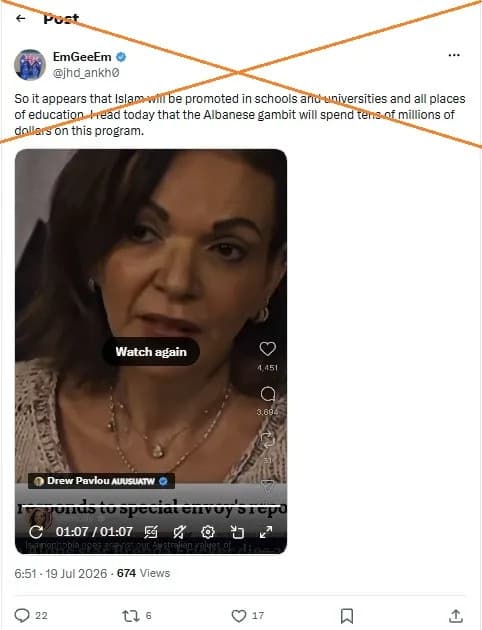
Screenshot of the misleading post captured on August 3, 2026, with an orange X added by AFP
The Australian government’s July package to combat Islamophobia emphasizes education, community support and mental health resources — but does not propose compulsory Islamic instruction in schools. Officials and experts say social media claims that Labor will "teach Islam to all children" misrepresent the government's intentions.
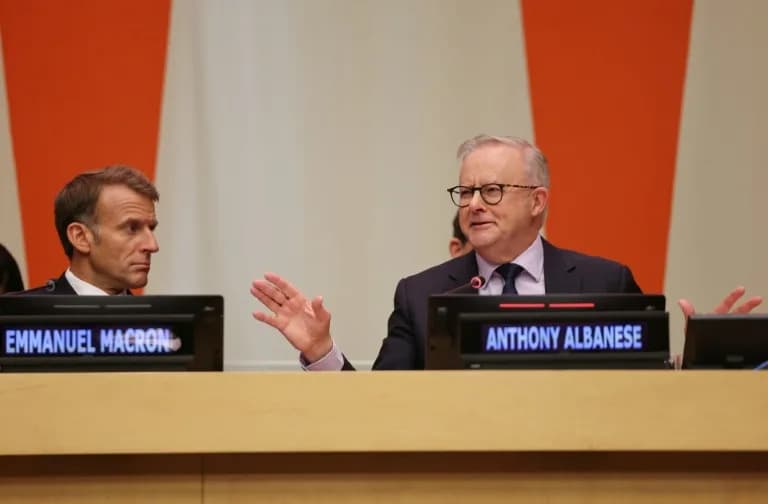
At a July 18 press conference, Multicultural Affairs Minister Anne Aly and other ministers outlined the government’s response to 35 recommendations from a September 2025 report by Special Envoy to Combat Islamophobia Aftab Malik. The package includes creating an Islamophobia Education Taskforce, funding mental-health and wellbeing support for local organisations, targeted grants for Muslim women and youth, and an online Social Cohesion Education Hub to support educators.
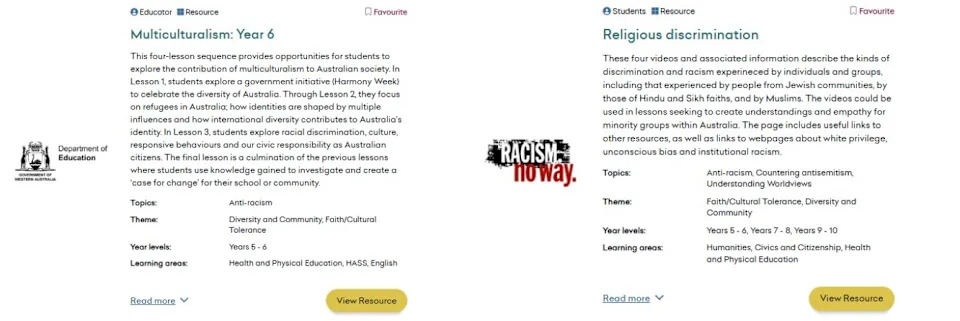
What The Government Is Proposing
Education And Resources: The Social Cohesion Education Hub, launched on June 30, provides free resources and courses for teachers and schools to address antisemitism, Islamophobia and other forms of discrimination. Course materials include lesson plans, slides and classroom images from a range of providers.
Taskforce And Grants: The Islamophobia Education Taskforce is being established to identify curriculum and policy opportunities; implementation timelines are still pending. Grants will support Muslim community initiatives, with a stated emphasis on women and youth, and on intercultural exchange.
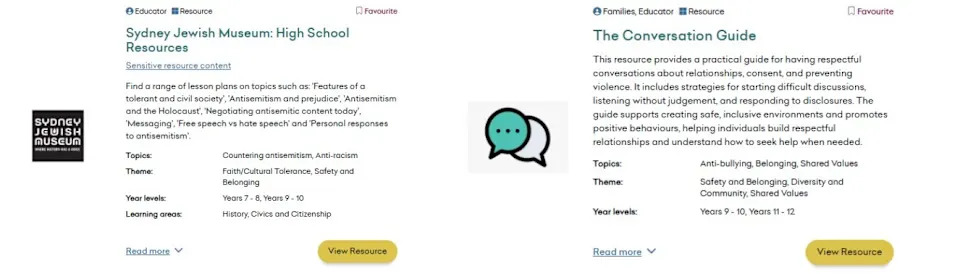
Screenshots of courses on the Social Cohesion Information Hub captured on August 4, 2026, by AFP
What The Plan Does Not Include
Government documents and spokespeople make clear there is no intention to mandate Islamic religious instruction or to use grant funding to build mosques. A Home Affairs Department spokesperson told AFP that "none of these grant opportunities are designed to facilitate the construction of mosques." The education measures are framed as strengthening understanding of racism, faith-based discrimination and social cohesion — not religious indoctrination.
"Addressing Islamophobia in the education system...can replace harmful stereotypes and historical biases with factual knowledge, empathy and critical thinking." — Government response, July 18
Context And Expert Views
AFP captured screenshots of misleading social posts shared in late July and early August that falsely claimed the government planned compulsory Islamic teaching. Experts welcomed the focus on education but urged clarity. Halim Rane, Professor of Islamic Studies at Griffith University, told AFP that distinguishing Islam (the religion) from Islamist political ideologies is central to reducing prejudice and improving public understanding.
The government states its anti-Islamophobia work is part of a broader effort to tackle racism and faith-based discrimination, including antisemitism, through a Social Cohesion Framework for schools and resources aimed at strengthening inclusive learning environments.
While the policy package signals a multi-pronged approach — education, community support and mental-health funding — the government has not published full implementation timelines for the taskforce or all related measures.
Help us improve.