J. Peder Zane examines how changing immigration dynamics, elite discourse, and community organization affect assimilation in the U.S. He highlights a seven-part RealClearInvestigations series that documents political organizing by some Islamist-minded actors, reported foreign funding ties, and instances of anti-Jewish and anti-Christian rhetoric in certain institutions. Zane calls for calm, nonpartisan inquiry, stronger civic engagement, and policies that allow newcomers to remain religious while embracing American civic values.
Understanding the Rise of Islam in America: A Calm, Evidence-Based Look
AP
America’s prosperity and freedoms often lead many citizens to assume others should want to live and think as we do. Recent immigration patterns, shifting civic norms, and debates over assimilation complicate that assumption—and deserve careful, noninflammatory examination.
Why Assimilation Is Changing
For much of U.S. history, immigrants arrived with strong incentives to adopt prevailing social and civic norms. Today, several factors have weakened those pressures. Elite criticism of American institutions and history has made patriotic claims more contested; many immigrants now arrive with transnational ties and media narratives that portray the United States in a hostile light; and modern communications and social networks allow migrants to remain culturally connected to their countries of origin.
At the same time, some wealthy progressives privately embrace the bourgeois behaviors associated with stability—education, marriage, church or community involvement—without consistently arguing that these practices benefit broader social mobility. That reticence, argues Charles Murray and other observers, can make it harder to build a shared case for civic integration.
What the Reporting Found
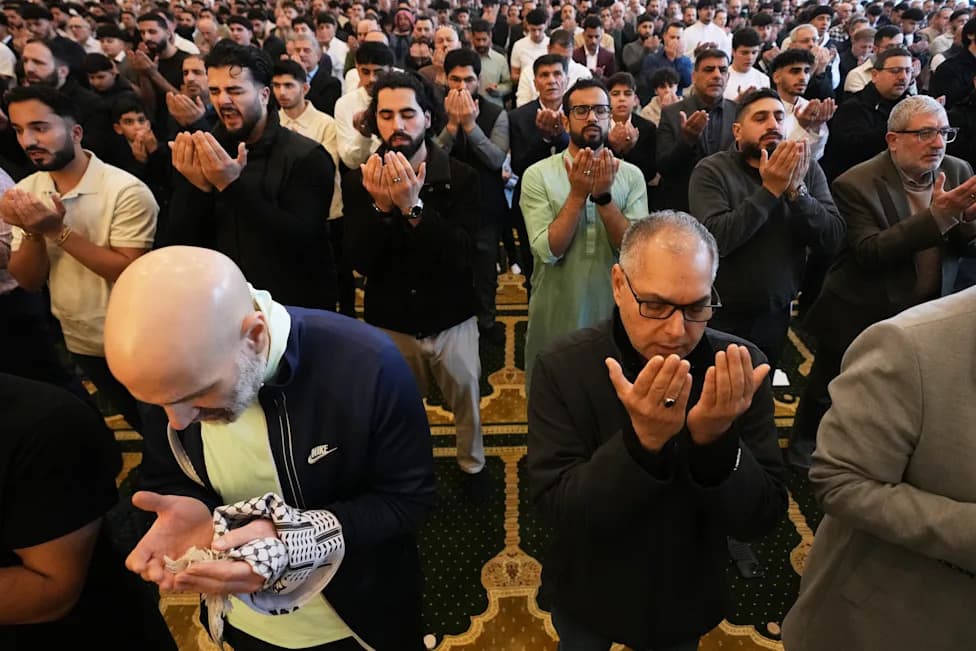
The seven-part series published by RealClearInvestigations investigates the growth of Islam in America and how some activists and community leaders engage with democratic institutions. The series documents several themes reported by RCI journalists:
- Arguments that some Islamist-minded activists seek to organize politically and build community institutions that reflect religious norms, sometimes creating what the series calls "enclaves" with faith-guided practices.
- Allegations of financial links between certain community organizations and donors or networks abroad, including actors with political agendas divergent from U.S. norms.
- Instances of anti-Jewish and anti-Christian rhetoric appearing in sermons or public statements in some mosques and organizations.
- Reporting on personal or organizational ties—documented in some cases—between local leaders and individuals connected to extremist movements.
The series frames these findings as topics for journalistic inquiry rather than as a wholesale indictment of American Muslims, many of whom are law-abiding, civic-minded citizens.
Context From Abroad
European governments confronting similar questions have taken a range of policy measures. Belgium, Denmark, Germany, Portugal, and Switzerland have adopted laws aimed at curbing political forms of radical Islam. The French Senate passed legislation after a 2025 government report and surveys suggesting concern about Islamist influence among younger Muslim populations. Scholars and policymakers often use the term "Islamism" to describe the political ideology distinct from the broader religion of Islam.
Why This Matters—and What To Do
Discussion about religion, migration, and civic life quickly becomes politicized. On the right, worries about security and social cohesion can slide into demonization; on the left, concern about stigmatizing communities can lead to underestimation of genuinely hostile movements. Both responses undermine the shared social trust needed for successful integration.
A constructive path forward includes sober, evidence-based journalism; government enforcement of the law against violent extremism; community-level engagement that supports both religious freedom and civic norms; and public advocacy for the institutions and values—rule of law, free speech, equal rights—that make integration possible. Encouraging immigrants to remain faithful while embracing civic responsibilities is a practical and humane objective.
Author: J. Peder Zane is an editor at RealClearInvestigations and a columnist for RealClearPolitics. Follow him on X: @jpederzane.
Help us improve.