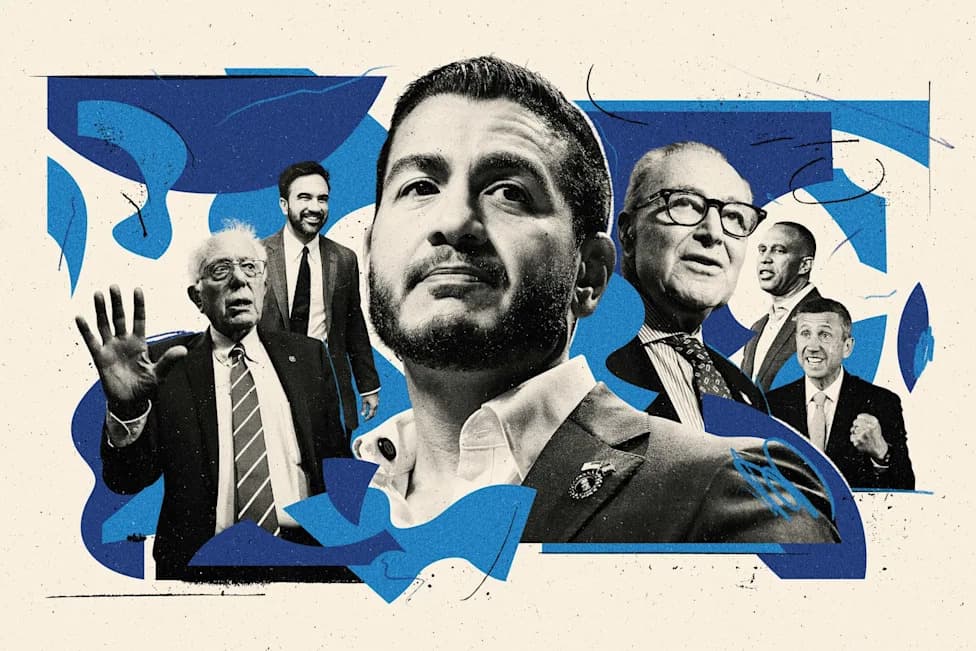
Progressives scored important primary victories Tuesday: Dr. Abdul El‑Sayed narrowly won the Michigan Democratic Senate primary, and Rep. Wesley Bell defeated Cori Bush in Missouri. El‑Sayed’s win came despite tens of millions in outside spending against him and has intensified debates over U.S. policy on Israel and Gaza. Party leaders urged unity ahead of November, while Republicans and Donald Trump immediately targeted progressive nominees as the fall campaign begins.
Primary Upset: Progressives Score Big Wins — El‑Sayed Takes Michigan Senate Primary; Bell Defeats Bush in Missouri
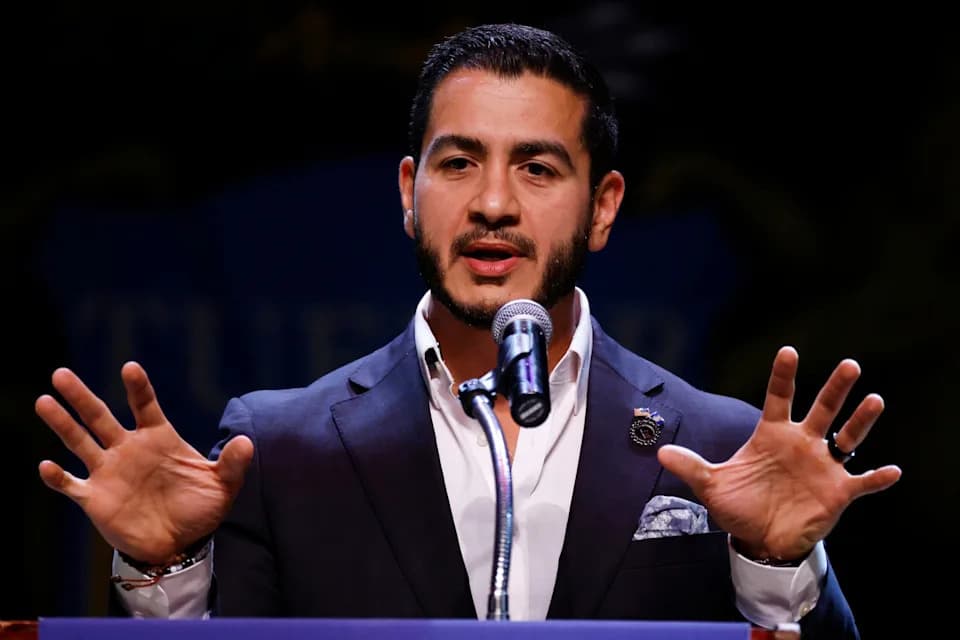
Jeff Kowalsky/AFP via Getty Images - PHOTO: Abdul El-Sayed, a progressive candidate in the Democratic primary for U.S. Senate in Michigan, speaks during a primary election night event Aug. 5, 2026, in Detroit.
Tuesday's primary contests in five states produced surprising outcomes that gave momentum to the progressive wing of the Democratic Party and set the stage for an intense fall campaign.
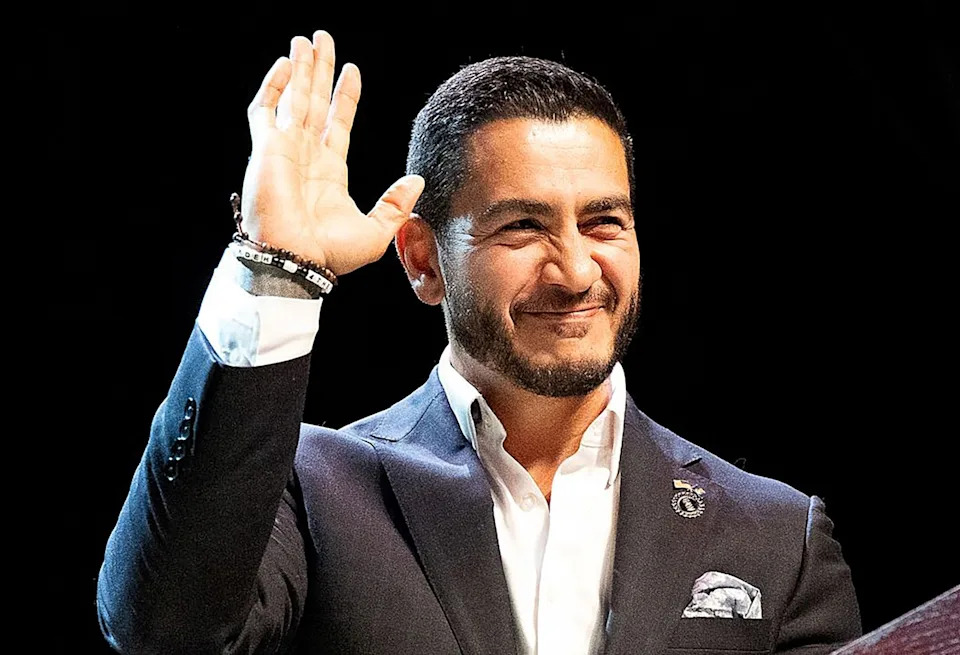
Chery Dieu-Nalio Chery/EPA/Shutterstock - PHOTO: Abdul El-Sayed, a progressive candidate in the Democratic primary for U.S. Senate in Michigan, speaks during a primary election night event Aug. 5, 2026, in Detroit.
El‑Sayed Edges Out Stevens in Michigan
Dr. Abdul El‑Sayed declared victory Wednesday morning after Rep. Haley Stevens conceded the Michigan Democratic Senate primary. El‑Sayed's margin was narrow — roughly 14,000 votes, about one percentage point — but the win represents a notable triumph for progressives inside the party.
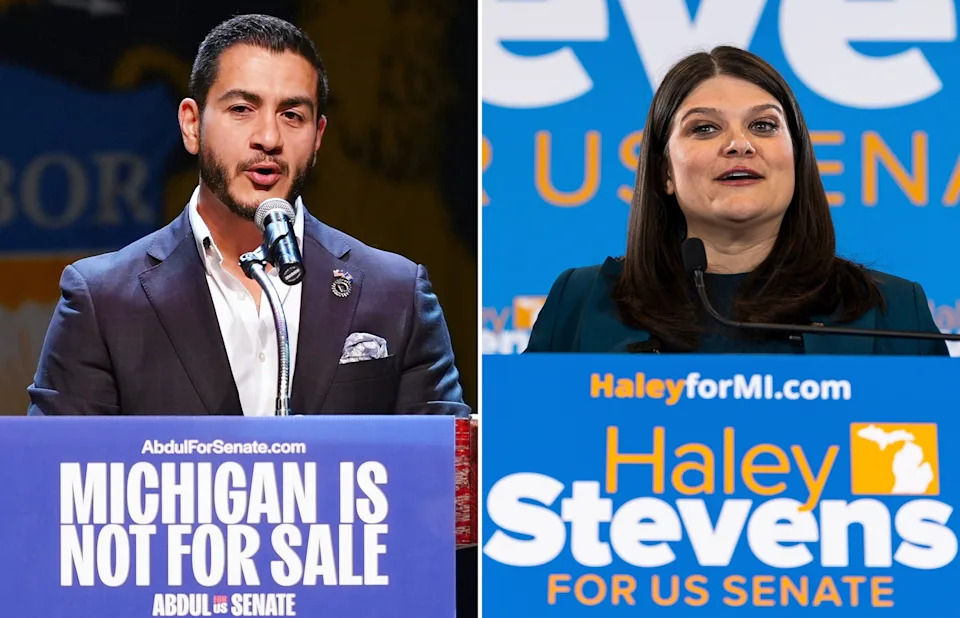
AP Photo/Getty Images - PHOTO: Abdul El-Sayed speaks during a primary election night event Aug. 5, 2026, in Detroit as opponent, Rep. Haley Stevens speaks during her primary night event, Aug. 4, 2026, in Detroit.
Backed by Sen. Bernie Sanders, Rep. Alexandria Ocasio‑Cortez and other leading progressives, El‑Sayed ran on Medicare for All, affordability initiatives and outspoken support for Gaza, repeatedly criticizing Stevens for votes supporting U.S. aid to Israel. Stevens, supported by Senate Minority Leader Chuck Schumer and other party leaders, emphasized her House experience and work for Michigan's manufacturing communities and at times accused El‑Sayed of running a less-serious, celebrity-driven campaign.
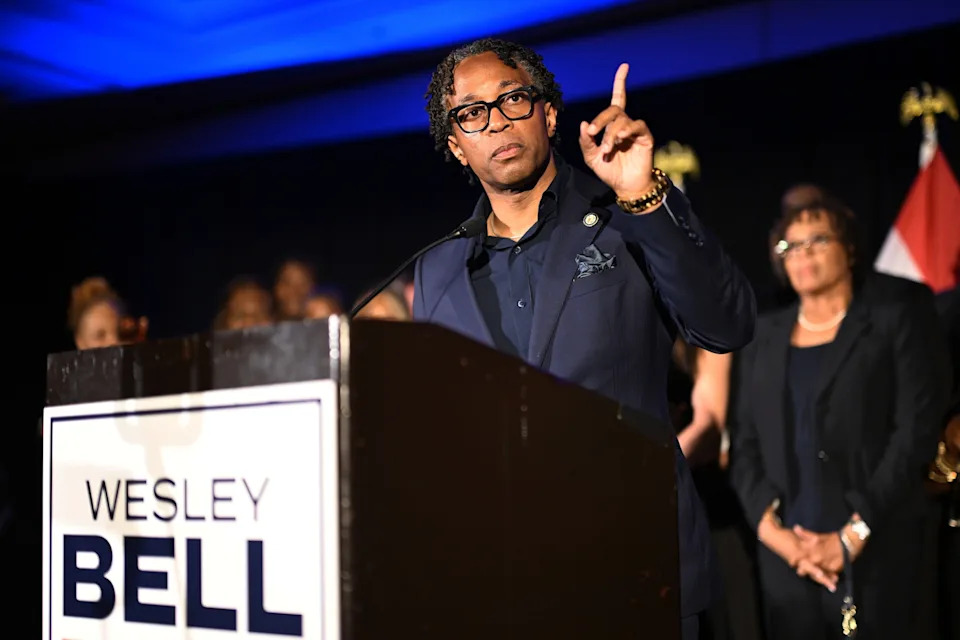
Michael Thomas/AP Photo - PHOTO: Rep. Wesley Bell speaks during a primary election night watch party after winning the Democratic nomination, Aug. 4, 2026, in St. Louis.
Despite a bruising primary, party leaders moved quickly to unify. Schumer congratulated El‑Sayed and urged Democrats to rally behind him for the November contest against former Republican Rep. Mike Rogers. El‑Sayed returned the olive branch, praising Stevens and pledging to work with Democrats across the state to win in November.
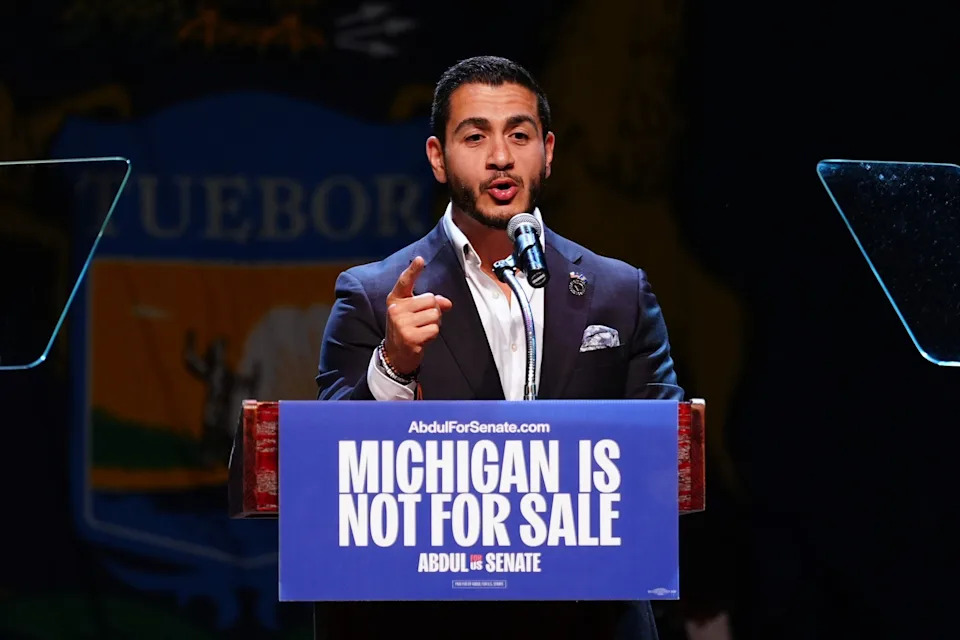
Julia Demaree Nikhinson/AP Photo - PHOTO: Abdul El-Sayed, a progressive candidate in the Democratic primary for U.S. Senate in Michigan, speaks during a primary election night event Aug. 5, 2026, in Detroit.
Money, Messaging And The Israel Debate
El‑Sayed's victory was significant in part because it came despite heavy outside spending targeting him. The American Israel Public Affairs Committee (AIPAC) spent more than $32 million on ads opposing his campaign, and his campaign estimated roughly $70 million in outside expenditures were directed against him. AIPAC's president, Bernie Kaminetsky, publicly criticized El‑Sayed after the race, calling him "a fiercely anti‑Israel candidate."
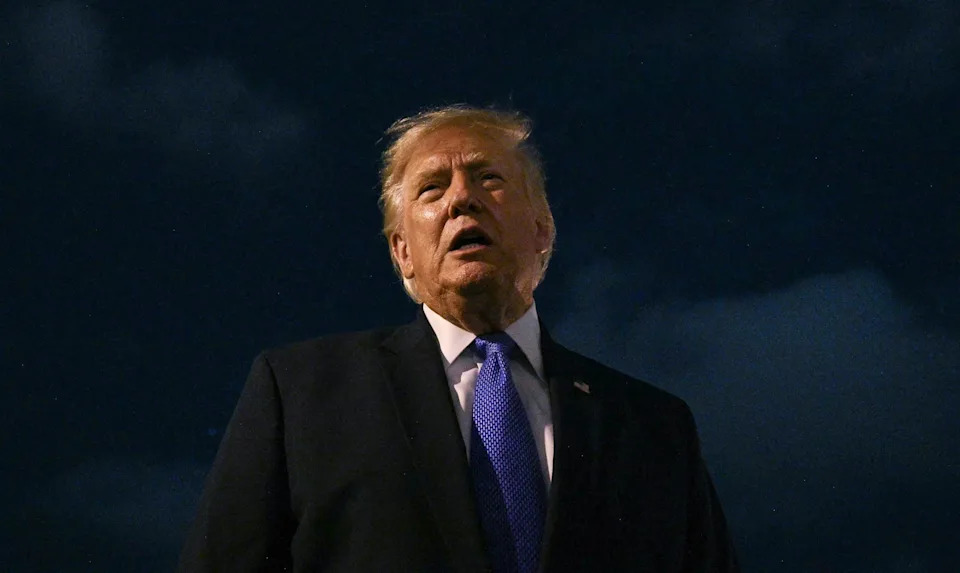
Jim Watson/AFP via Getty Images - PHOTO: President Donald Trump talks to reporters before he boards Air Force One, Aug. 4, 2026, at Los Angeles International Airport.
Public opinion appears to be shifting: a Marquette Law School poll released Wednesday showed 55% of adults now view Israel unfavorably, up from 43% in March 2025 — a trend that is reshaping intraparty debates and voter priorities in some districts.
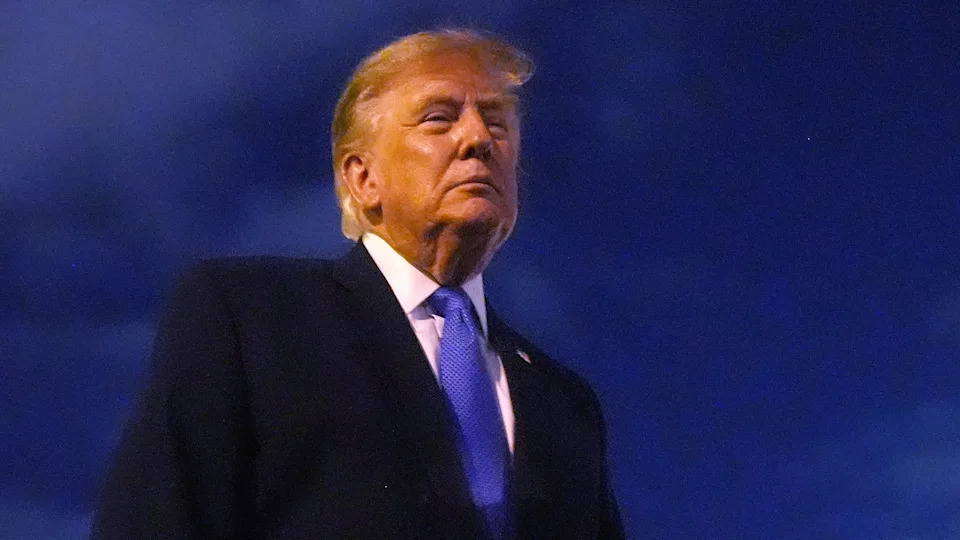
Mark Schiefelbein/AP Photo - PHOTO: President Donald Trump talks to reporters before he boards Air Force One, Aug. 4, 2026, at Los Angeles International Airport.
Missouri Rematch: Bell Holds Off Bush
In Missouri, Rep. Wesley Bell defeated former Rep. Cori Bush in a high‑profile rematch, winning by roughly 22 percentage points. Bell secured endorsements from establishment figures and groups, including Democrats aligned with pro‑Israel positions, and successfully defended his seat against Bush's attempt to reclaim it.
November Outlook: Attacks, Redistricting And A Sharpened Battleground
The general election picture sharpened immediately. Former President Donald Trump and Republican nominee Mike Rogers attacked El‑Sayed on social media and in statements, framing his progressive positions as dangerous to public safety and economic stability. Rogers said El‑Sayed "would make our communities less safe and our state less affordable," while Trump called the victory "great news for the Republican Party" and used his familiar insults for progressive opponents.
Meanwhile, mid‑decade redistricting in some Republican‑controlled states could limit Democratic gains in November. In Missouri, lawmakers redrew Rep. Emanuel Cleaver's 5th Congressional District to be more favorable to Republicans; State Sen. Rick Brattin, backed by Trump, will challenge Cleaver in the fall. Attempts by Democrats to use redistricting in blue states to offset such moves — including a plan in Virginia — were not finalized.
As the fall campaign approaches, both parties are consolidating messages: Democrats are rallying around progressive nominees where they prevailed, and Republicans are focusing attacks on those nominees to define the stakes for November's midterms.
Byline: Reporting compiled from Associated Press and ABC News accounts.
Help us improve.