During Lindsay Clancy’s trial, forensic toxicologist Justin Brower testified that four psychiatric medications were detected in her blood after the alleged killings of her three children. Only quetiapine was slightly elevated, but not at toxic or suicidal levels, and Brower cautioned toxicology alone cannot explain behavior. The defense argues Clancy suffered postpartum psychosis and undiagnosed bipolar disorder amid changing prescriptions; prosecutors contend the acts were intentional. Jurors have heard her journal entries, testimony from caregivers and a distraught 911 call from her ex-husband.
Toxicologist Testifies About Psychiatric Drugs Found In Lindsay Clancy’s Blood as Trial Continues
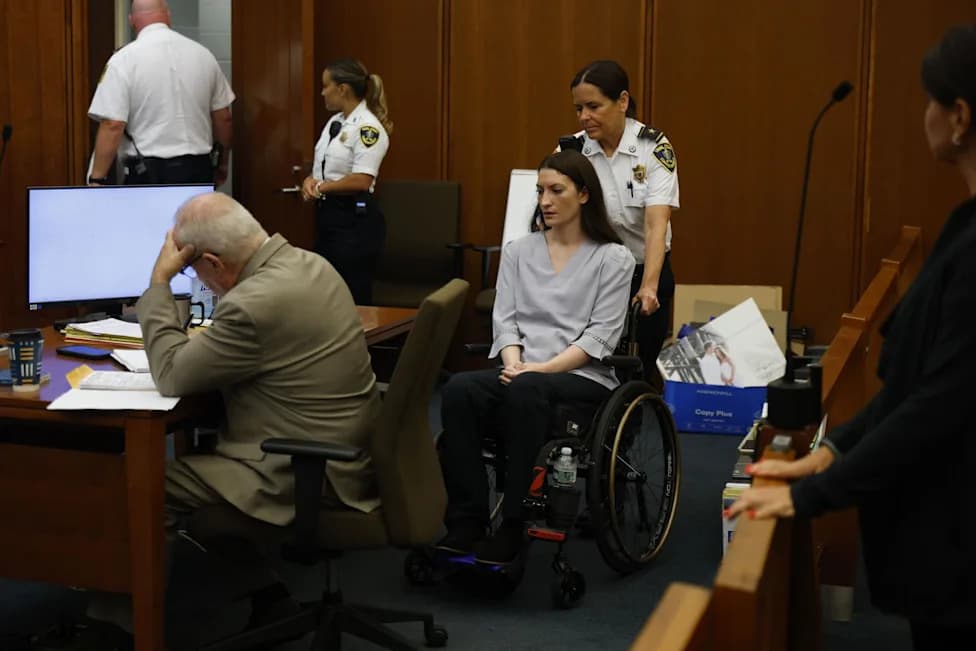
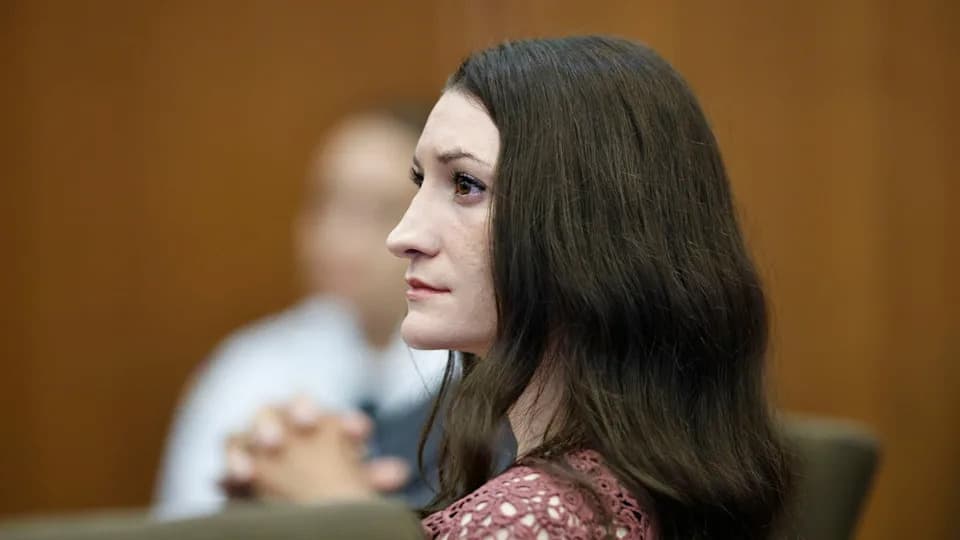
Lindsay Clancy awaits the start of proceedings at Plymouth superior court in Plymouth, Massachusetts, on 30 July 2026.Photograph: CJ Gunther/The Boston Herald via AP
The trial of Lindsay Clancy, the Massachusetts mother accused of killing her three children in January 2023, resumed Wednesday with forensic toxicologist Justin Brower describing the psychiatric medications detected in her blood and their concentrations.
Toxicology Findings
Brower, of NMS Laboratories, told the court his lab measured four psychiatric drugs in Clancy’s bloodstream after the alleged strangulations and her reported suicide attempt: the antidepressants mirtazapine and trazodone; the mood stabilizer lamotrigine; and quetiapine, an antipsychotic that is sometimes prescribed at low doses for insomnia.
He said only quetiapine appeared slightly elevated but emphasized it was not at a "toxic concentration" or a "suicidal concentration." Brower added that overdose cases often involve "handfuls of pills," and he said the levels found were not consistent with that pattern. Under cross-examination, he cautioned that toxicology results "don't tell the entire story."
Defense, Prosecution And Mental-Health Evidence
Prosecutors say the killings were deliberate. The defense argues Clancy, a former labor-and-delivery nurse, suffered from postpartum psychosis and undiagnosed bipolar disorder and was taking a shifting regimen of psychiatric medications that worsened her condition.
A civil complaint filed against caregivers alleges clinicians prescribed multiple antidepressants, sleep aids, an antipsychotic and other drugs in the three months before the deaths while Clancy reported escalating insomnia, anxiety, despair and confusion about what was real.
Journals, Treatment And Timeline
Jurors have heard passages from Clancy’s journals documenting severe maternal distress and suicidal ideation. In an entry dated Nov. 18, 2022, she wrote, "I'm so desperate to get a mental break from taking care of everyone that my mind is trying to find something physically wrong with me." Other entries describe brain fog, profound insomnia and guilt about not breastfeeding.
Clancy sought help from a postpartum depression program in late December 2022 and was later hospitalized. She told a psychiatrist she heard a "man's voice" telling her to "kill the children so you can kill yourself." Nineteen days after her discharge, the killings allegedly occurred.
Courtroom Testimony And Reaction
The court has heard emotional testimony from family members and caregivers. The family’s nanny, Elaine Rossi, testified she never observed problems and called Clancy a "wonderful mom who loved her kids." Ex-husband Patrick Clancy described finding the scene, the anguished 911 call he made that night and testified he forgives Lindsay, saying he believes mental illness motivated the killings.
The defendant is now paralyzed from her suicide attempt. When she later woke in hospital, a forensic psychologist testified she said she felt "horrified" and asked about visitors and where her family was.
Legal Stakes
If convicted of murder, Clancy faces life in prison without parole. A verdict finding her not guilty by reason of lack of criminal responsibility could lead to her commitment to a state psychiatric facility instead.
"Usually people take handfuls of pills when they're trying to harm themselves...and this is not consistent with that," Justin Brower testified.
Support Resources
If you are in crisis, help is available. In the U.S., call or text 988 or chat 988lifeline.org. You can also reach Crisis Text Line by texting MHA to 741741. In the U.K., contact Mind at 0300 123 3393 or Childline at 0800 1111. In Australia, support is available at Beyond Blue 1300 22 4636, Lifeline 13 11 14, and MensLine 1300 789 978.
Help us improve.