Rescued donkeys in several Spanish regions are being used to graze dry brush, lowering ground-level fuel and helping prevent wildfires while providing care for the animals. The low‑tech approach complements mechanical clearing and suppression tactics and can make landscapes less likely to ignite or spread flames. Spain experienced a severe July wildfire period — nearly 346,000 acres burned in two weeks — and researchers say human-caused warming has raised fire risk in central areas.
Rescued Donkeys Become Spain’s Low‑Tech Firefighters — Grazing To Prevent Wildfires
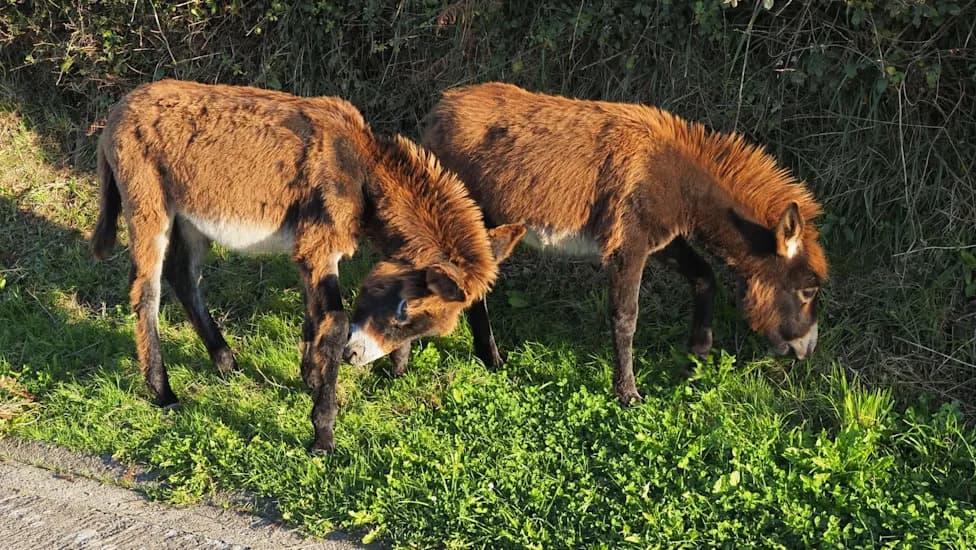
Photo Credit: iStock
Instead of arriving with sirens, hoses or heavy machinery, some of Spain’s newest wildfire responders work on four legs: rescued donkeys are being used to graze dry brush and other vegetation that can turn a small spark into a fast-moving wildfire.
How The Program Works
Local programmes in several Spanish regions are deploying rescued donkeys to feed on low-level scrub and dry plant matter. According to reporting by Moneycontrol, the animals consume vegetation before it dries and accumulates, reducing the amount of burnable material on the ground while providing the donkeys with care and purposeful activity.
Two Benefits In One
The grazing serves dual goals: it lowers fuel loads that can feed flames and it gives rescued animals a second chance in a managed, beneficial role. In fire-prone landscapes, reducing ground-level fuel can make fires less likely to ignite and slower to spread when they do.
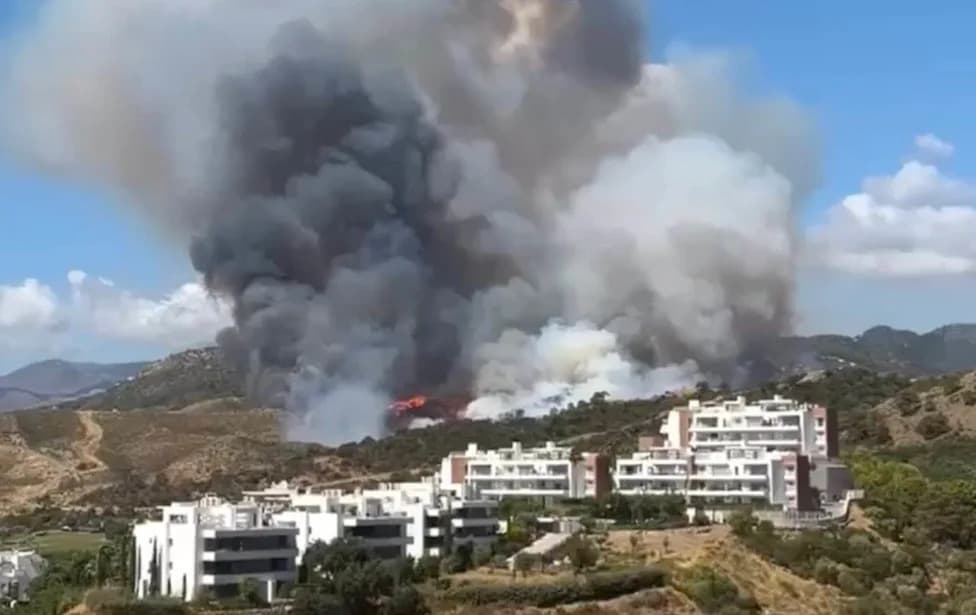
Context: Spain endured an especially severe wildfire season in July, with nearly 346,000 acres burned over a two-week period. Spain’s Minister of the Interior described the blaze in Ávila as "the largest and most destructive fire in Spain's history."
Why Prevention Matters
Researchers have warned that human-caused warming has increased both the likelihood and severity of wildfires in parts of Spain — with some studies indicating fires are far more likely in central regions because of rising temperatures and drier conditions. Managing vegetation through low-cost, nature-based methods such as grazing is one tool among many to build resilience.
Complementary, Not Replacement
Donkey grazing is not a standalone solution: it complements controlled burns, mechanical clearing, landscape planning and emergency suppression. But as a low-tech, locally manageable approach, it can reduce fuel in areas where heavy machinery is impractical or costly.
Broader Takeaway
The initiative highlights how animal welfare and environmental management can align. Communities can care for rescued animals while using their natural behavior to improve landscape resilience. Simple, nature-based measures like this show that climate adaptation sometimes benefits from creative, on-the-ground solutions.
Help us improve.