The Ebola outbreak in eastern Democratic Republic of Congo is accelerating and is on track to exceed 4,000 reported cases, making it the country’s largest recorded epidemic. Delayed detection, overwhelmed contact tracing and the spread of the uncommon Bundibugyo strain — for which there is no licensed vaccine or proven treatment — have enabled rapid transmission. Funding shortfalls, unpaid salaries, attacks on health teams and population movement have further complicated containment. A July study suggests the outbreak began months before the May declaration.
Explainer: Why Congo’s Ebola Outbreak Is Spreading So Rapidly
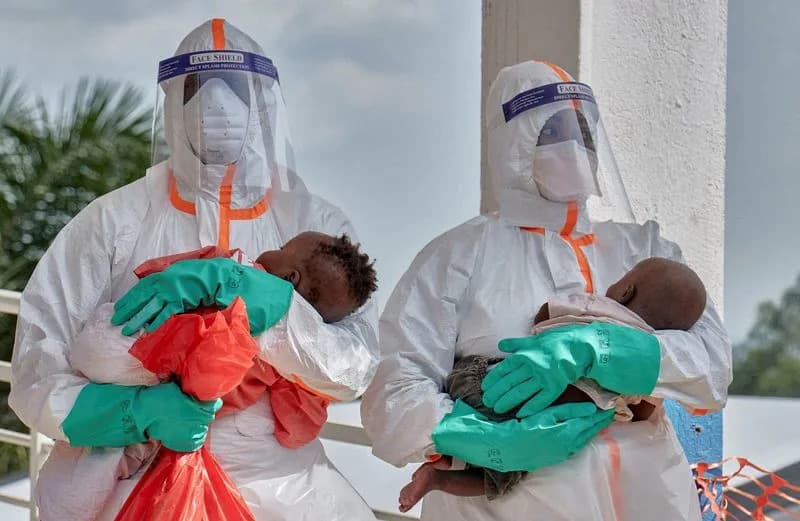
FILE PHOTO: Congolese medical workers dressed in personal protective equipment (PPE) carry children tested and cleared off from Ebola from Saint Nicholas orphanage, at the Centre Medical Evangelique (CME) within the secured Ebola response zone, as aid agencies intensify efforts to contain the Ebola outbreak involving the Bundibugyo strain, in Hoho commune of Bunia town, Ituri province, Democratic Republic of Congo, June 9, 2026. REUTERS/Gradel Muyisa Mumbere/File Photo
DAKAR, Aug 5 (Reuters) - The Ebola outbreak in the Democratic Republic of Congo is accelerating and is expected to surpass 4,000 reported cases this week. Public health officials warn this epidemic is spreading far faster than earlier outbreaks, driven by delayed detection, overwhelmed surveillance systems, conflict and the involvement of a less-common Ebola species for which there is no licensed vaccine or proven treatment.
How Fast Is It Spreading?
Authorities say the current epidemic is spreading roughly five times faster than previous outbreaks did at the same stage. The 2018–2020 eastern Congo outbreak — previously the country’s largest — recorded 3,481 cases over about two years; it took more than 10 months then to exceed 2,000 confirmed cases. In contrast, this outbreak reached 2,000 cases in roughly two months and became the largest on record in the country less than three months after it was declared in May.
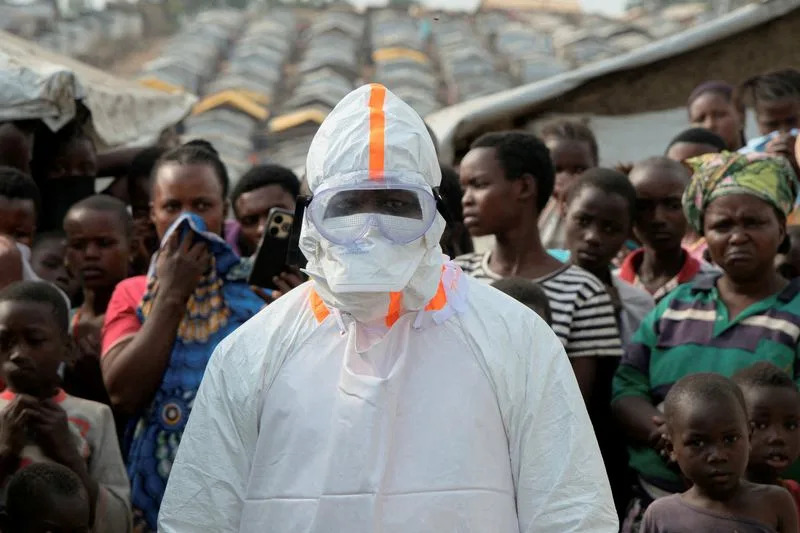
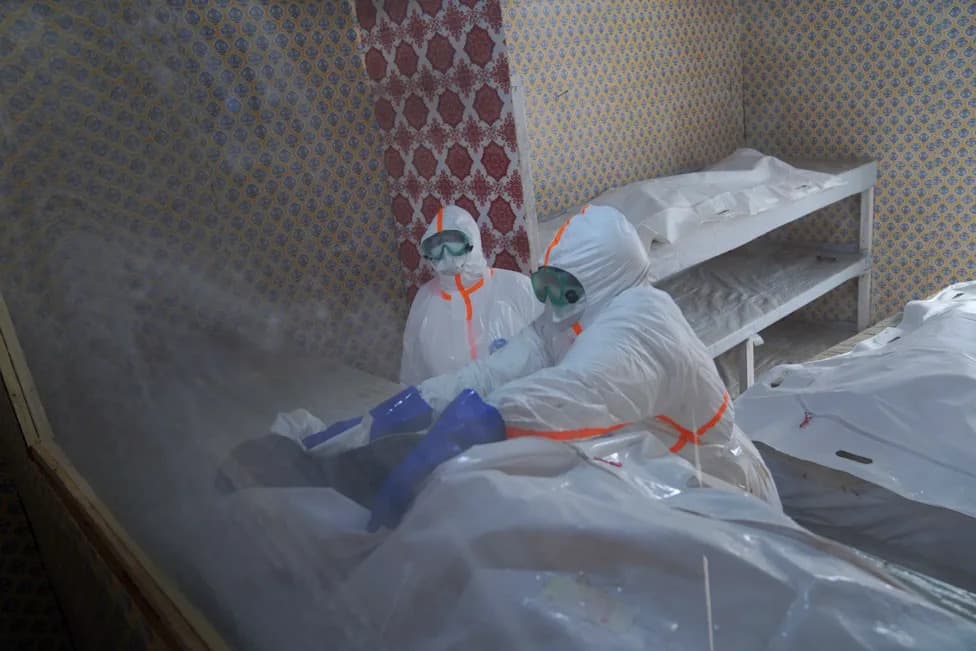
FILE PHOTO: A health worker in personal protective equipment (PPE) stands near displaced people waiting for the burial of suspected Ebola victims at the Kigonze displaced persons camp, one month after an outbreak was declared, in Bunia, eastern Democratic Republic of Congo, June 18, 2026. REUTERS/Gradel Muyisa Mumbere/File Photo
A Head Start For The Virus
This epidemic is driven by the uncommon Bundibugyo species of Ebola, which spread undetected for months before the formal declaration in May. Early infections were missed or misdiagnosed — some as conditions such as peritonitis — and traditional funeral practices helped transmission. Later testing mistakes (including use of assays designed for a different Ebola species) and mishandled samples delayed detection, allowing the virus to gain a foothold. A July report in Science estimates the outbreak began at least as early as January near the mining town of Mongbwalu.
Surveillance Strained And Falling Behind
The World Health Organization estimated in July that around 80% of new infections are appearing outside known transmission chains, indicating many cases are recognised only after the virus has spread through communities. Reuters reporting from Ituri Province found contact tracers overwhelmed and lacking resources, creating a vicious cycle: undetected transmission generates new cases that further strain surveillance capacity.
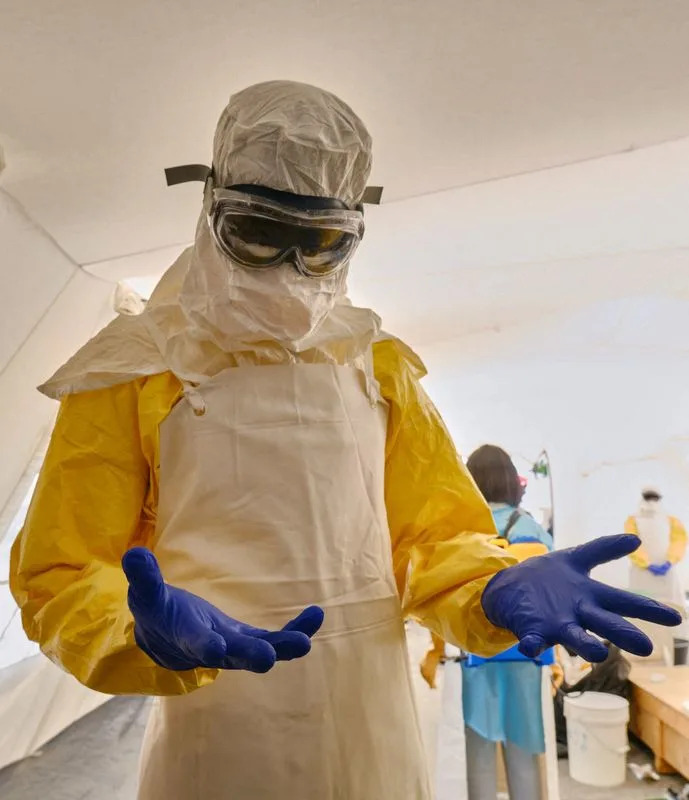
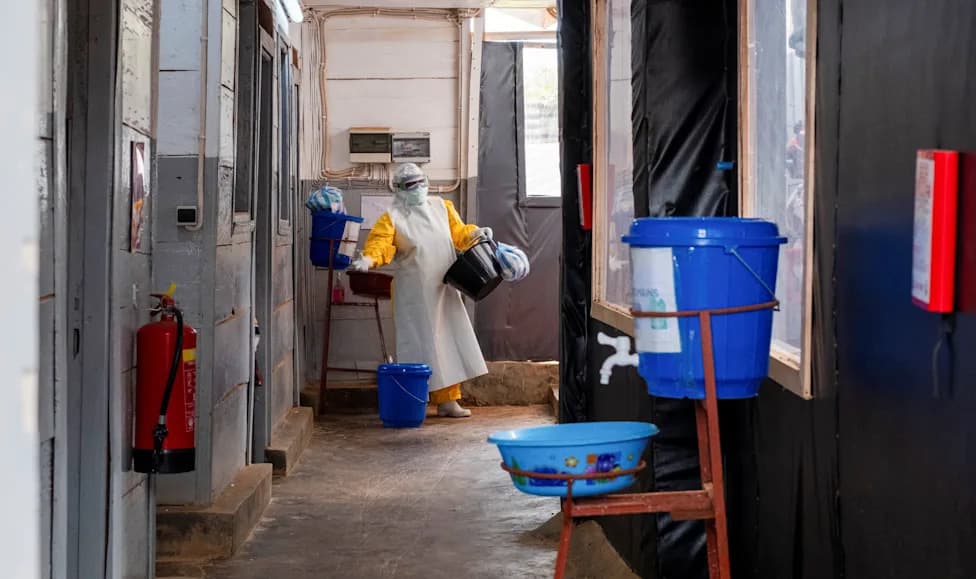
FILE PHOTO: A Congolese healthcare worker participates in an accelerated training session, at the newly built tents by the Samaritan's Purse International Relief, at the Scott Powell Memorial Ebola Treatment Center, as aid agencies intensify efforts to contain the Ebola outbreak caused by the Bundibugyo virus, in Bunia town, Ituri province, Democratic Republic of Congo, June 11, 2026. REUTERS/Gradel Muyisa Mumbere/File Photo
Funding Shortfalls And Operational Challenges
Funding cuts and staffing gaps have hindered both early detection and ongoing containment. WHO reported it had received less than half the funding needed by mid-July to tackle the eastern Congo outbreak. Reuters also found key response elements facing shortages, and health workers have protested unpaid salaries. Programs for water, sanitation and other humanitarian assistance have been reduced, compounding public-health vulnerabilities.
No Licensed Vaccine Or Proven Treatment For Bundibugyo
Unlike the more common Zaire species — for which vaccines and treatments were developed during and after the 2018–2020 outbreak — there is currently no licensed vaccine or proven therapy for the Bundibugyo strain driving this epidemic. Many vaccines produced over the past decade targeted Zaire Ebola, leaving responders with fewer effective tools this time.
Conflict, Mistrust And Population Movement
The outbreak is concentrated in eastern Congo, a region long affected by violence. Attacks on hospitals and health teams, persistent insecurity and community mistrust have impeded access and disrupted the flow of staff and supplies. Movement along trade routes, between towns, displacement camps and neighbouring countries has further complicated contact tracing and containment; Reuters reported suspected Ebola-linked deaths in a displacement camp, underscoring the risk among mobile, hard-to-monitor populations.
Outlook
With surveillance stretched, funding shortfalls and no licensed countermeasures for Bundibugyo Ebola, public-health officials face an uphill struggle to contain the outbreak quickly. Improving early detection, restoring and sustaining funding for surveillance and frontline teams, and protecting health workers and clinics will be critical to slowing transmission.
Reporting by Clement Bonnerot and Jessica Donati; Editing by Hugh Lawson.
Help us improve.