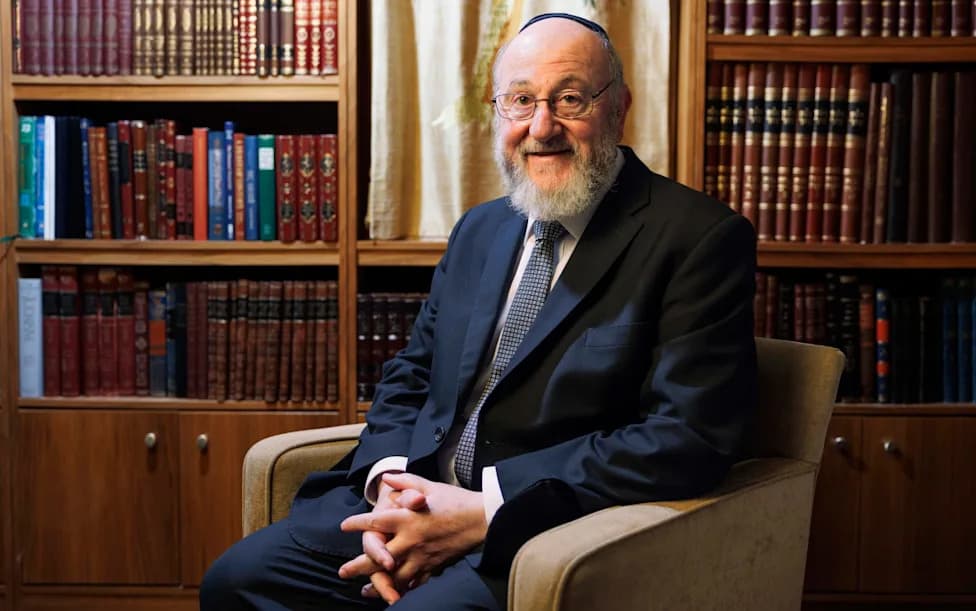
Israeli President Isaac Herzog warned that antisemitism is a societal "contamination" that threatens entire communities and must be met with coordinated global action. He cited NYPD data showing anti-Jewish incidents made up 56.9% of confirmed hate crimes in 2026 and a J7 report documenting 20 fatalities and over 23,000 antisemitic incidents in 2025. Herzog criticized inflammatory rhetoric and social-media distortion, urged stronger law enforcement and education, and highlighted his Voice of the People initiative to nurture new Jewish leadership.
Herzog: Antisemitism Is a "Contamination of Societies" — Calls for Global Action as Hate Crimes Surge
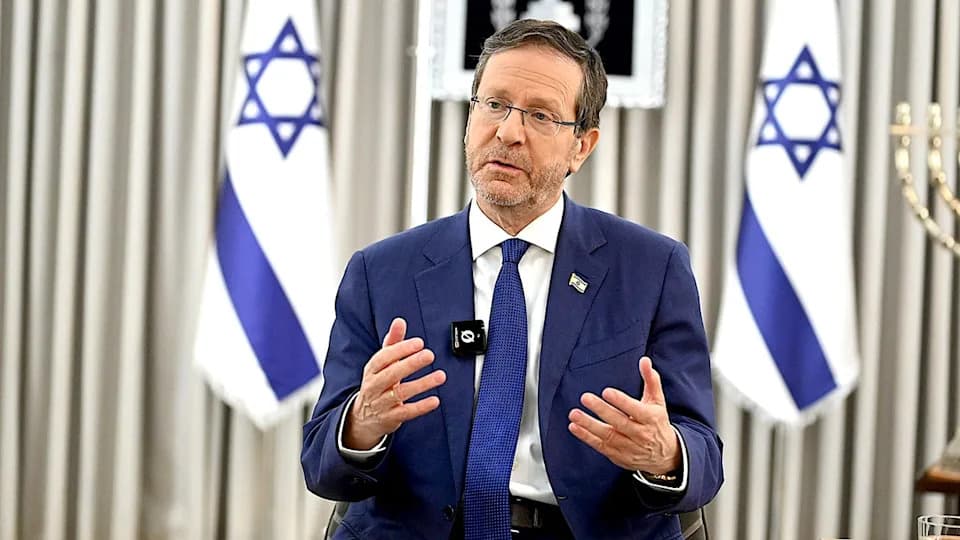
Growing antisemitism and other issues led President Isaac Herzog to launch Voice of the People in April 2023.
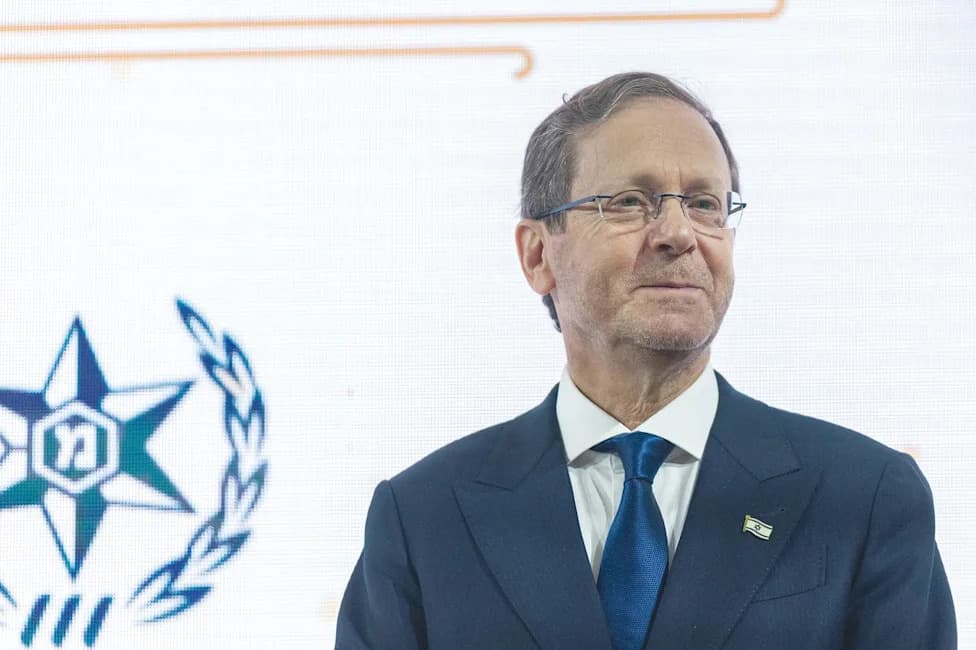
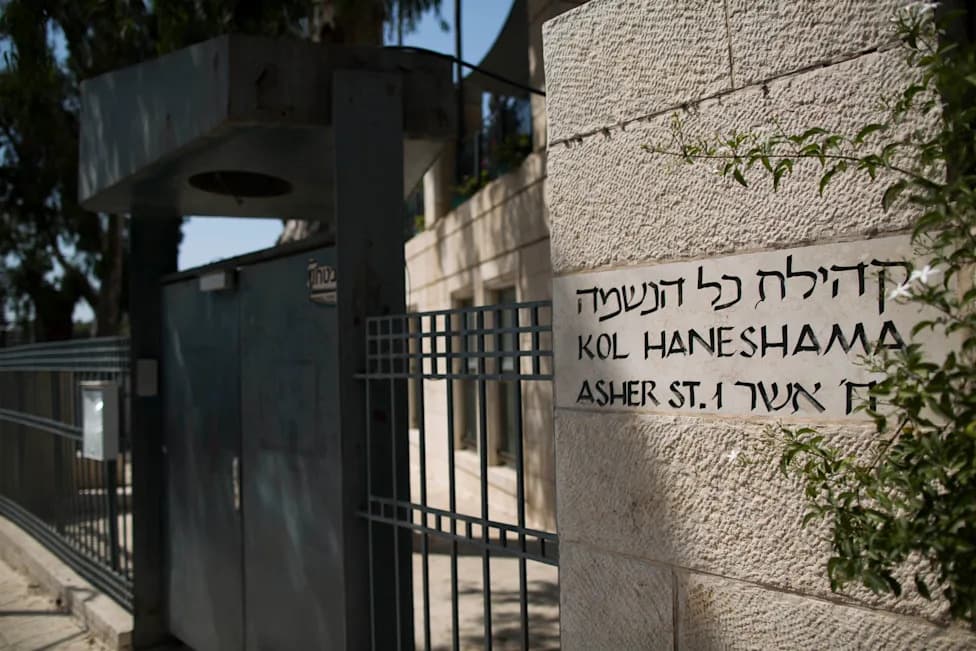
Israeli President Isaac Herzog delivered a blunt warning about the global rise of antisemitism in an exclusive interview with Fox News Digital at his Jerusalem residence, calling the phenomenon a threat not only to Jews but to whole societies.
"Antisemitism is an age-old plague which should be dealt with by everybody, by all societies. It's not an Israeli issue or only a Jewish issue," Herzog said. "It's a contamination of societies that starts with the Jews — never ends with them. It's the most dangerous phenomena that has to be dealt with aggressively, with no mercy, with full adjudication, and most importantly, with education."
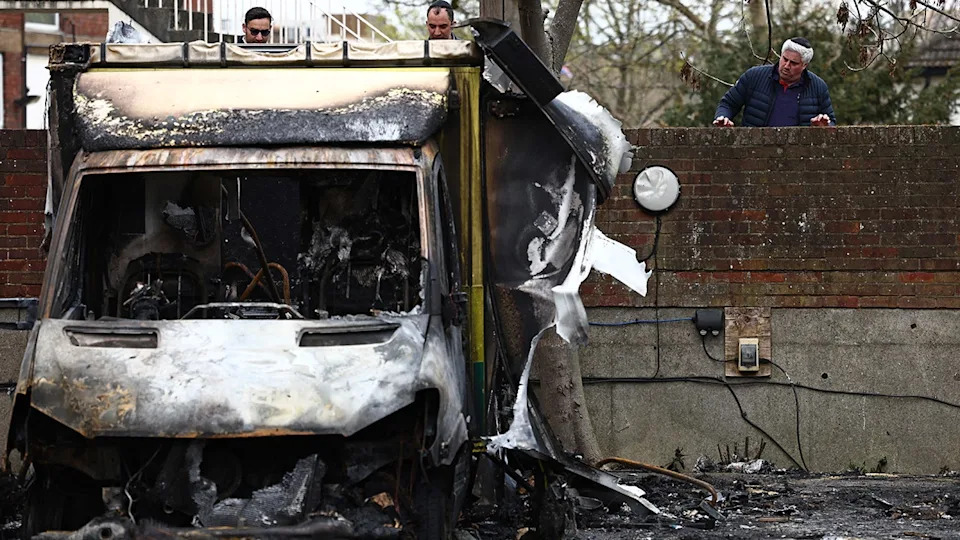
Members of the Jewish community view the scene of an antisemitic arson attack in the Golders Green neighborhood of north London, on March 24, 2026.
Herzog made the remarks as newly released New York City Police Department data indicate anti-Jewish incidents accounted for 56.9% of confirmed hate crimes since the start of 2026, while Jewish New Yorkers make up roughly 10% of the city's population. He linked inflammatory public rhetoric and social-media misinformation to this surge in hostility.
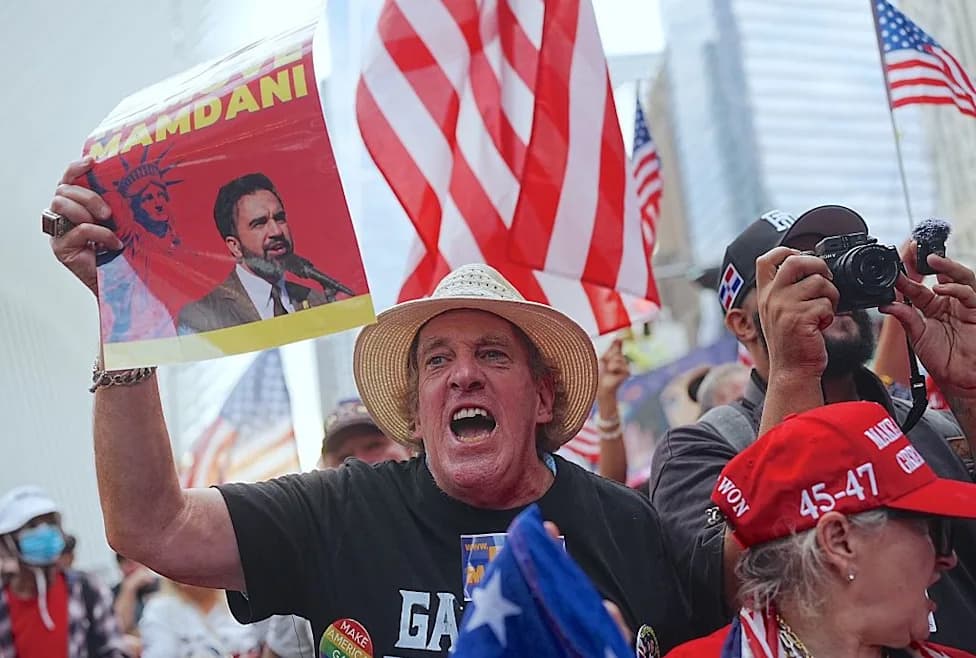
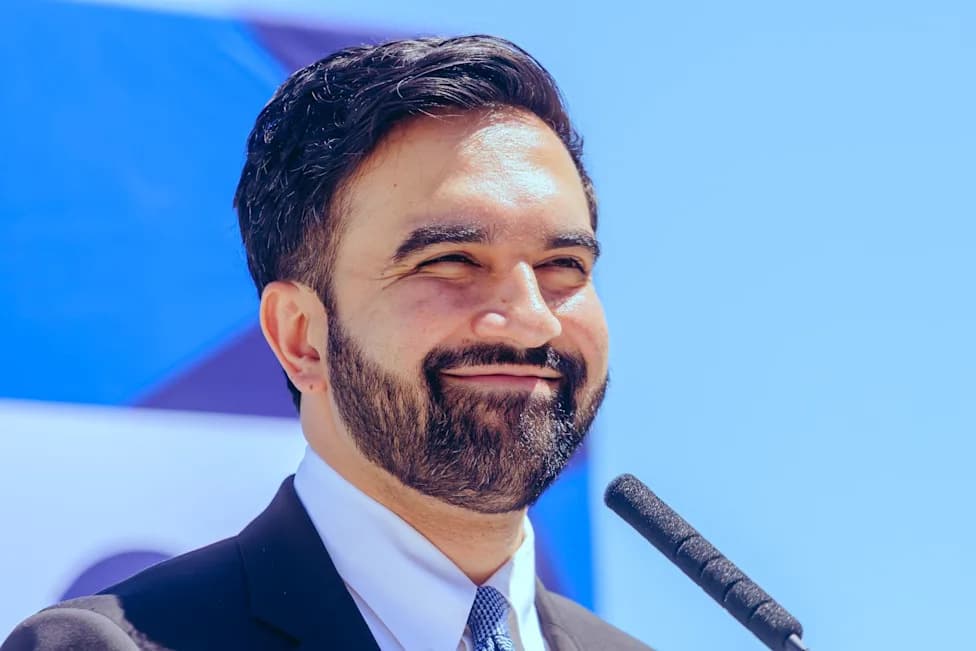
Speaking specifically about local leadership, Herzog accused New York City Mayor Zohran Mamdani of promoting rhetoric that undermines the Jewish people's right to self-determination and that risks public safety. The president referenced a July 21 social-media video in which Mamdani called Israeli Prime Minister Benjamin Netanyahu "a war criminal" and accused him of orchestrating a "horrific genocide against the Palestinian people." Herzog framed such statements as contributing to a charged atmosphere that can enable violence.
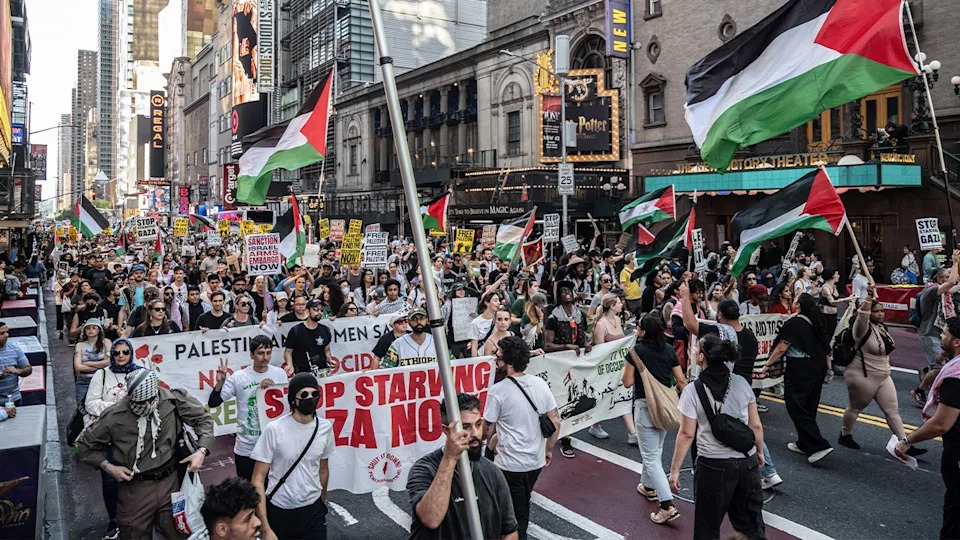
People walk through Times Square during an anti-Israel rally on Oct. 4, 2025, in New York City.
Herzog cited recent violent incidents to underscore his point: New York authorities allege Raul Morales, 51, shouted "Allahu Akbar" while stabbing two men on Manhattan's Upper West Side, one of whom was reportedly identifiable as Jewish. He also pointed to an arson attack in Golders Green, north London, on March 24, 2026, as part of a wider international trend.
International data back the president's concerns. A recent report by the J7 Large Communities' Task Force Against Antisemitism found that 20 people were killed in antisemitic attacks across seven countries outside Israel in 2025 — the deadliest year for such violence in the diaspora since 1994. The J7 coalition (United States, Australia, Canada, Argentina, the United Kingdom, Germany and France) recorded more than 23,000 antisemitic incidents in 2025, describing a 97% increase in violent attacks and a 136% rise in overall incidents compared with 2022.
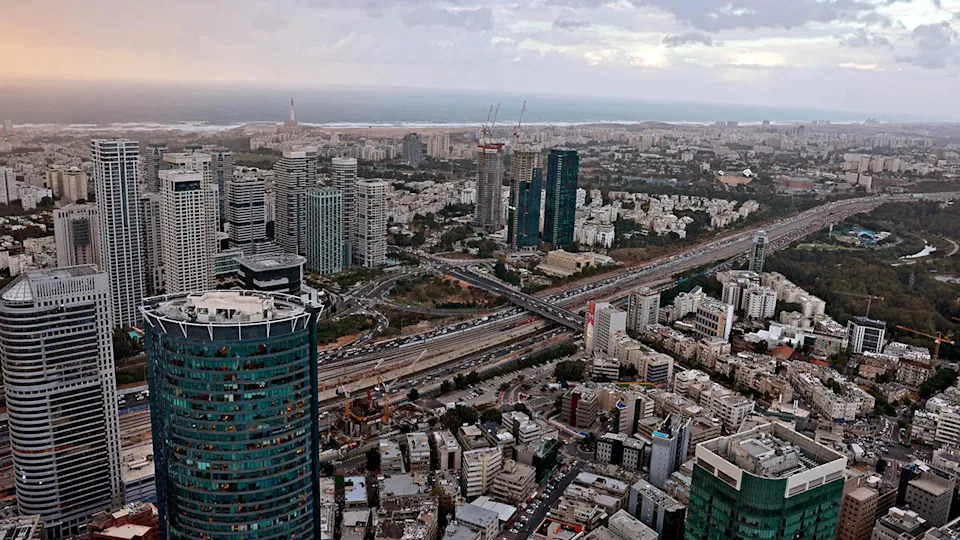
Aerial view of Israel's Mediterranean coastal city Tel Aviv.
Herzog called for coordinated, multi-pronged action: stronger law enforcement responses, robust legal adjudication, and comprehensive education to counter hatred and historical distortion. Referencing Professor Niall Ferguson's article "The Death of History," he warned that social platforms can distort or trivialize historical atrocities, including the Holocaust, making education and factual remembrance essential.
Defending Israel's broader contributions, Herzog highlighted the country's role in innovation and global cooperation: "[Israel] is the place where the Startup Nation flourishes... there’s a reason why Americans who visit our country, young Americans, fall in love with this country." He argued that correcting misinformation and promoting balanced perspectives are vital to preserving that reputation.
As part of a domestic response to rising antisemitism and community polarization, Herzog launched the Voice of the People initiative in April 2023. The program convenes a council of 150 emerging leaders — roughly one-third from Israel, one-third from the United States and the remainder from other countries — selected from thousands of applicants. Members serve rotating two-year terms, develop practical ideas to strengthen Jewish communities, and took part in a kickoff summit in Haifa in March 2025.
Closing the interview, Herzog expressed guarded optimism about the initiative's output and encouraged wider participation in future cohorts as part of a longer-term strategy to build leadership, resilience and cross-border cooperation against antisemitism.
Help us improve.