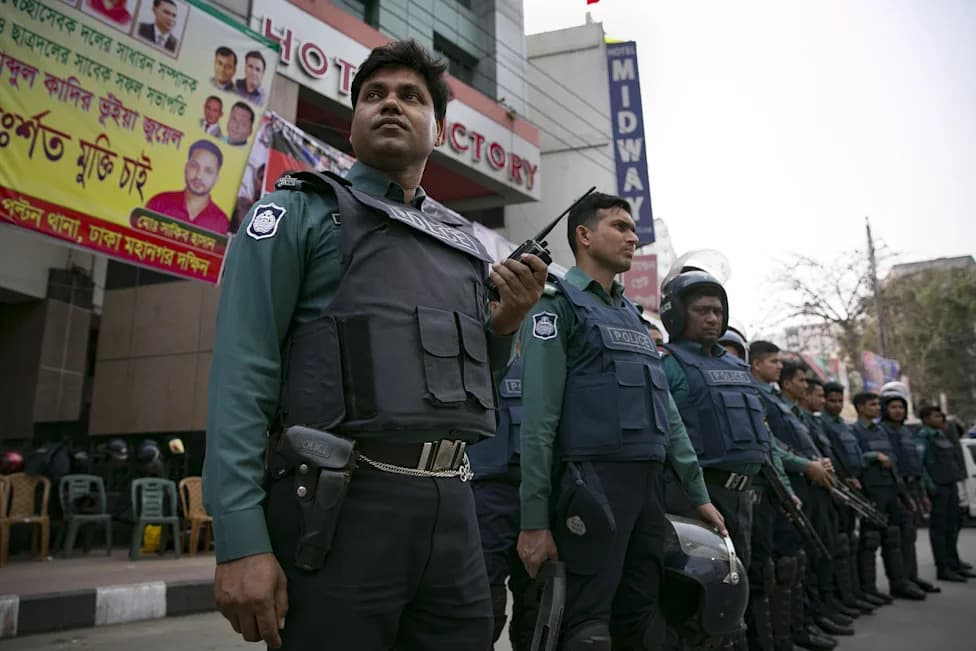
Sheikh Hasina, sentenced to death in absentia, has vowed to return to Bangladesh in December despite the personal risk. She spoke by audio link from Delhi, denying charges that prosecutors and UN investigators say were linked to lethal state violence during the 2024 uprising. A BBC-verified audio recording was used as key evidence in her conviction. Her presence in India has strained relations with Dhaka, which has sought her extradition.
Sheikh Hasina Says She Will Return To Bangladesh In December Despite Death Sentence
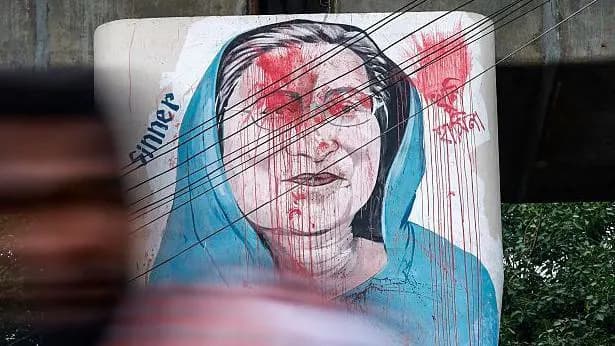
Images of Sheikh Hasina have been defaced in the Bangladeshi capital Dhaka [Getty Images]
Former Bangladeshi prime minister Sheikh Hasina has told reporters she plans to return to Bangladesh in December, even though a special tribunal in Dhaka has sentenced her to death in absentia for crimes against humanity. Speaking by audio link at the Foreign Correspondents' Club in Delhi on the second anniversary of her ouster, Hasina said she "had to go back" but did not provide a specific date or travel plan.
Background
The 78-year-old leader fled to India after a mass uprising in 2024 that began as student protests over government job quotas and escalated into nationwide unrest. Tens of thousands of demonstrators stormed government buildings and her official residence, and an interim government took control. In February, the Bangladesh Nationalist Party (BNP) won elections and Tarique Rahman became prime minister.
Evidence, Conviction And International Findings
Hasina denies all charges and describes her conviction as politically motivated. Prosecutors relied in part on audio from a phone call verified by BBC Eye in which she was heard authorising a forceful crackdown on demonstrators; that recording was cited as key evidence at her trial in absentia. UN investigators concluded there was evidence the government used systematic, deadly force to cling to power, and estimated as many as 1,400 people were killed in the 2024 unrest, most from gunfire by security forces.
Political Fallout
Her continued presence in India has strained ties between Dhaka and New Delhi. Bangladesh has formally requested Hasina's extradition; India says it is examining the request. Dhaka also criticised New Delhi after Hasina addressed the media from Delhi, calling it unacceptable for her to speak publicly while in India.
Risks And Potential Consequences
Analysts warn that a return would be extremely risky. If Hasina travels back to Dhaka she could be arrested immediately, and her presence could trigger fresh political unrest. Supporters of the new government, student-aligned groups, Islamist factions and others may hold rallies calling for her sentence to be carried out, while Awami League supporters could mobilise in response. The Awami League was barred from contesting the February elections and has faced restrictions; party figures allege many supporters have been attacked or detained, claims Dhaka rejects.
"I know that they may put me in jail or they may kill me, anything may happen, but still I have to go back," Hasina told reporters in Delhi.
Observers say Hasina's decision reflects a strategic calculation: either return and face the charges in the hope of preserving political relevance, or remain abroad and risk the Awami League's continued marginalisation. The coming weeks will test regional diplomacy, the rule of law in Bangladesh, and the resilience of the country's deeply polarised politics.
Help us improve.