The University of Oxford and Moderna have begun the INTERCEPT – Lynch trial, an mRNA vaccine study that aims to prevent cancers in people with Lynch Syndrome by training the immune system to remove early pre-cancerous cells. Phase 1 at the Oxford Cancer Centre will run for up to a year to assess safety and immune response; a Phase 2 expansion could start next spring. Lynch Syndrome affects about 1 in 300 people in the UK and can raise lifetime cancer risk up to 80% for some carriers.
New mRNA Vaccine Trial Aims to Prevent Cancers in Families With Lynch Syndrome

Bep Sandhu from Maidenhead lost her dad to prostate cancer, her mum had bowel cancer and she has had cancer three times [BBC]
The University of Oxford and Moderna have launched INTERCEPT – Lynch, an early-stage mRNA vaccine trial designed to prevent cancers in people with Lynch Syndrome, an inherited condition that substantially raises lifetime cancer risk.
How the Vaccine Works
The investigational vaccine uses mRNA technology to teach the immune system to recognise and remove very early pre-cancerous cells that arise because of inherited defects in DNA-repair genes. By targeting those changes before they progress, researchers hope to reduce the likelihood that pre-cancers become invasive cancers.
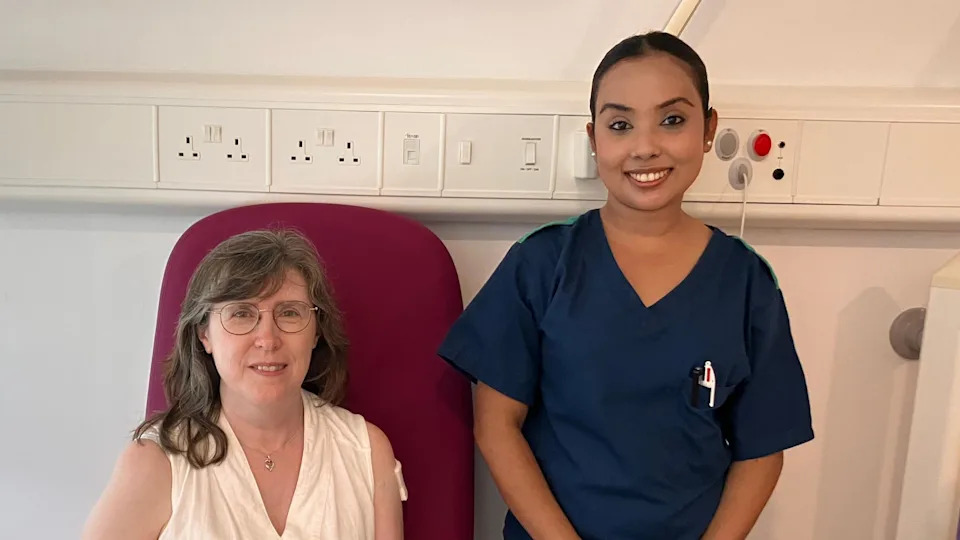
Sarah Ewart and Iru Pyakurel, research nurse, Oxford Cancer Trials. [BBC]
The Study and Its Goals
The Phase 1 study, taking place at the Oxford Cancer Centre (Churchill Hospital), will run for up to a year and focus on safety, tolerability and whether the vaccine generates the expected immune response. If results are promising, a larger Phase 2 expansion could begin next spring at multiple UK centres.
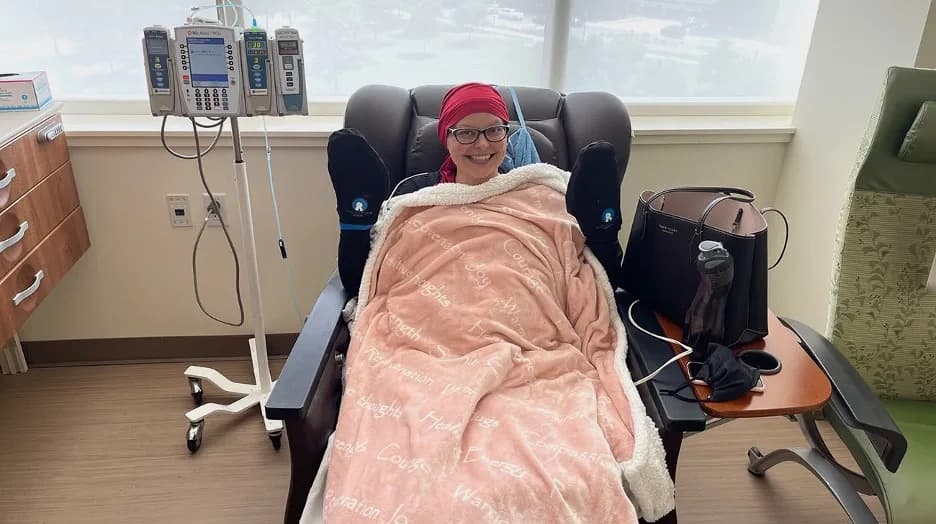
'For people living with a higher risk of cancers, a preventative vaccine encouraging the body to spot and attack early cancers would be life changing,' said Sarah Ewart, 53, the first participant in the trial. She was diagnosed with Lynch Syndrome 24 years ago and volunteered to receive the vaccine at Oxford.
Background and Significance
Lynch Syndrome is the most common hereditary cancer predisposition syndrome and is estimated to affect about one in 300 people in the UK—roughly 175,000 carriers. It raises lifetime risk for cancers such as colorectal, endometrial, ovarian, stomach and prostate cancer, with some carriers facing up to an 80% risk depending on the gene involved.
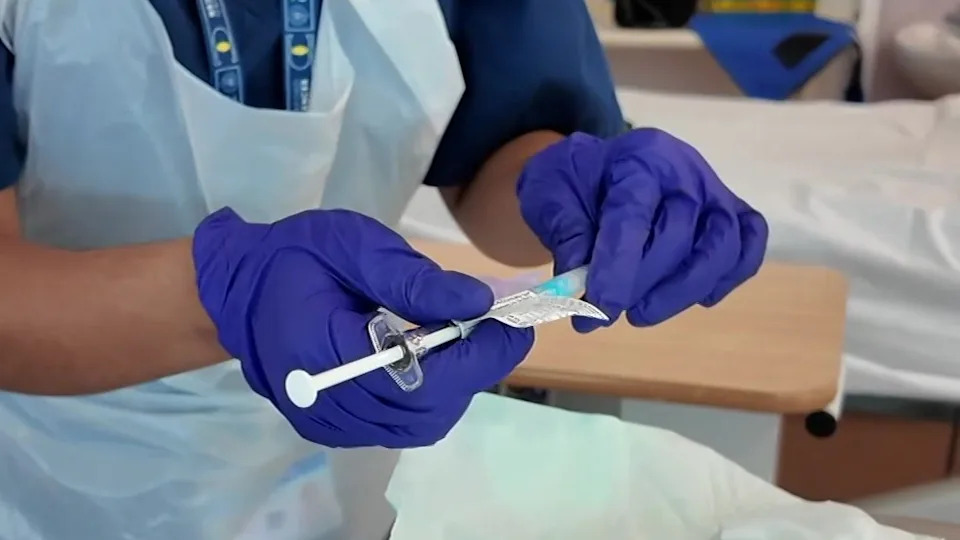
The mRNA vaccine hopes to help the body to identify pre cancer signs in Lynch Syndrome patients and enable the immune system to eliminate those pre cancers very early on [BBC]
Experts estimate only around 5% of people who carry Lynch-related genetic changes are aware of their status. Researchers and advocates hope that an effective preventive vaccine could both reduce cancer incidence and encourage more people to seek genetic testing and surveillance.
Voices From the Trial
Professor David Church, lead investigator and Cancer Research UK senior fellow at Oxford's Centre for Human Genetics, said the team aims to 'train the immune system to recognise early cancer changes, or what we call pre-cancer,' and eliminate them before disease develops.

Professor David Church hopes the trial will help reduce cancer risks and improve lives [BBC]
Patient advocate Bep Sandhu, who has lived with Lynch Syndrome and multiple cancers in her family, described the trial's potential as 'huge' and 'life changing,' saying a working vaccine could protect current and future generations.
Partnership and Context
The trial is part of a 10-year strategic partnership, begun in 2022, between Moderna and the UK Government to build mRNA capability and improve preparedness. mRNA vaccines were instrumental during the COVID-19 pandemic and are now being explored for cancer prevention and treatment.
The INTERCEPT – Lynch trial represents an early but important step toward shifting some hereditary cancer care from surveillance and surgery to active prevention.
Help us improve.