South Korean police searched Starbucks Korea's headquarters ahead of Liberation Day in an investigation officials tied to the holiday but did not detail. The search follows a May "Tank Day" promotion that coincided with Democratization Movement Day — the anniversary of the 1980 Gwangju Uprising — and provoked national outrage. Starbucks Korea and its global parent apologized, the local CEO was fired, sales fell significantly, and the chain temporarily closed stores for mandatory historical-sensitivity training.
South Korean Police Raid Starbucks Korea HQ After Backlash Over Ill-Timed 'Tank Day' Ad
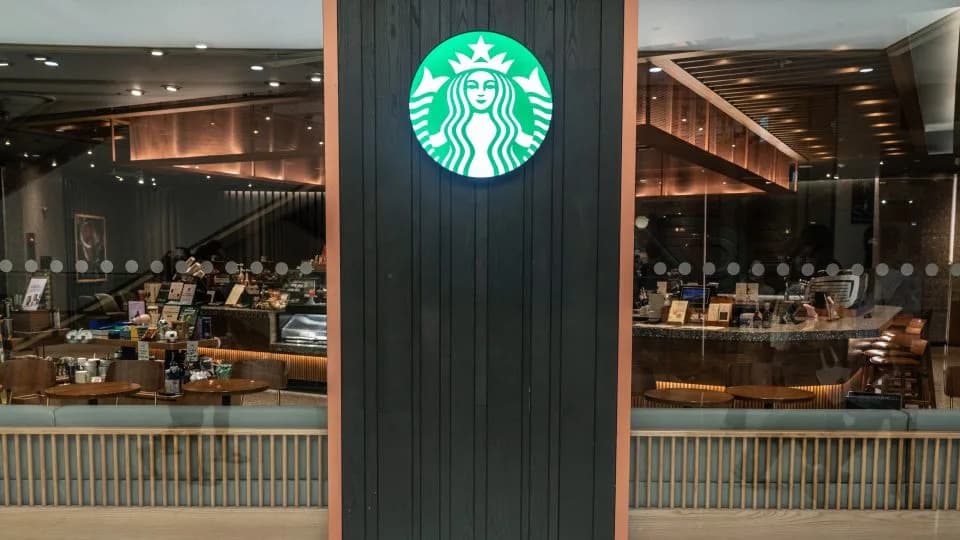
A closed Starbucks store seen with its logo displayed. - Simon Shin/SOPA Images/AP
South Korean police searched the headquarters of Starbucks Korea on Wednesday as part of an investigation tied to next week’s Liberation Day, officials told CNN. Authorities declined to release further details about the search.
What Happened
The raid is the latest development in a controversy that began in May, when Starbucks Korea — operated under license by Shinsegae Group — launched a "Tank Day" promotion to market a new line of tumblers. The promotion coincided with Democratization Movement Day, the anniversary that commemorates the 1980 Gwangju Uprising, when more than 100 civilians were killed during pro-democracy demonstrations suppressed by military forces.
Why It Sparked Outrage
The timing of the campaign touched a national nerve: the Gwangju crackdown remains a painful and sensitive episode in South Korea’s democratic history. Public anger was swift and intense, drawing criticism from political leaders and civil society. President Lee Jae Myung — who took office after the impeachment of his predecessor, Yoon Suk Yeol — publicly expressed his outrage, Reuters reported.
Company Response And Fallout
Starbucks Korea issued a formal apology the same day the campaign launched; Starbucks' global headquarters also apologized and opened an internal investigation. Shinsegae Group dismissed the CEO of Starbucks Korea the day after the promotion, characterizing the marketing as "inappropriate."
Since the incident, the chain has reported a significant decline in sales. In June, Starbucks temporarily closed all South Korean stores for an afternoon to provide mandatory training on historical awareness and social sensitivity for staff as part of broader damage-control efforts.
Context And Broader Sensitivity
Recent political events have heightened public sensitivity to perceived missteps around historical and democratic issues — for example, when then-President Yoon Suk Yeol briefly declared martial law in December 2024, thousands of protesters, including some who had participated in the 1980 uprising, rushed to parliament to demand the order be revoked.
Note: Police have confirmed the search but have not provided additional information connecting the raid to any formal charges or specific violations.
As the Liberation Day holiday approaches, observers will be watching for any further developments in the investigation and for how Starbucks Korea continues to address reputational and commercial damage at a culturally sensitive moment.
Help us improve.