The Eggemeyer family of Lampasas County rejected low pipeline easement offers from Matterhorn Express and won about $7 million from a jury after Matterhorn had already begun operating a 580-mile pipeline. Texas law allowed construction to proceed while compensation was litigated, and the verdict — roughly 330 times the company’s final offer — could reshape how companies negotiate, how courts set compensation standards, and how future pipeline projects proceed.
Texas Ranchers Win $7M Jury Award After Rejecting Low Pipeline Offers — A Landmark Eminent-Domain Ruling
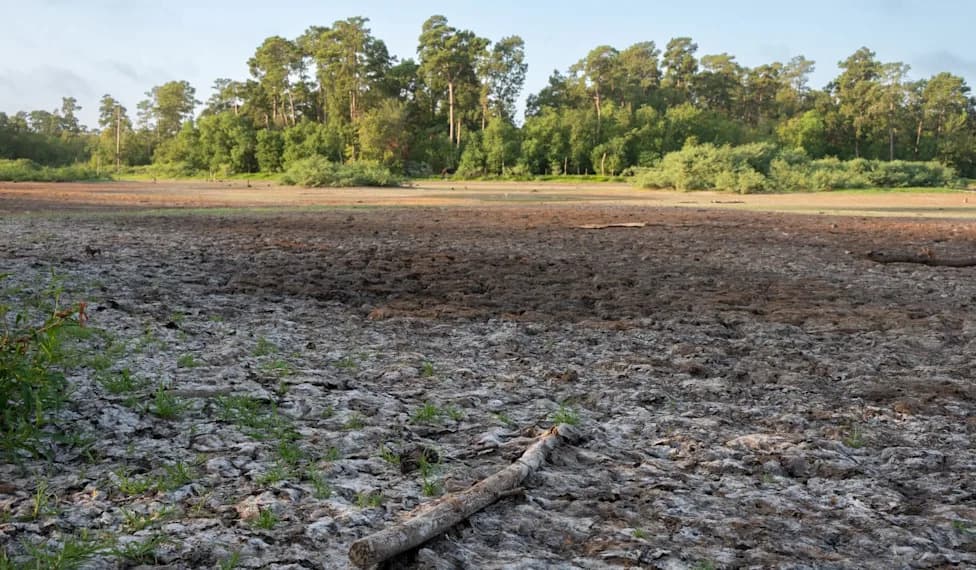
Photo Credit: iStock
The Eggemeyer family of Lampasas County, Texas, has secured roughly $7 million from a local jury after rejecting a series of low offers from Matterhorn Express for a pipeline easement across their ranch. The case, which reached trial in April 2026, is drawing attention nationwide because Texas law allowed the company to build and operate the pipeline while the compensation dispute was still unresolved.
What Happened
Matterhorn Express initially offered about $38,000 for the easement and later lowered its final pre-litigation offer to roughly $21,000. The Eggemeyers declined both offers. By the time jurors heard the case, Matterhorn had reportedly begun operating a 580-mile pipeline. The Lampasas County jury awarded approximately $7 million for the easement and property damage — about 330 times the company’s final offer.
Why This Matters
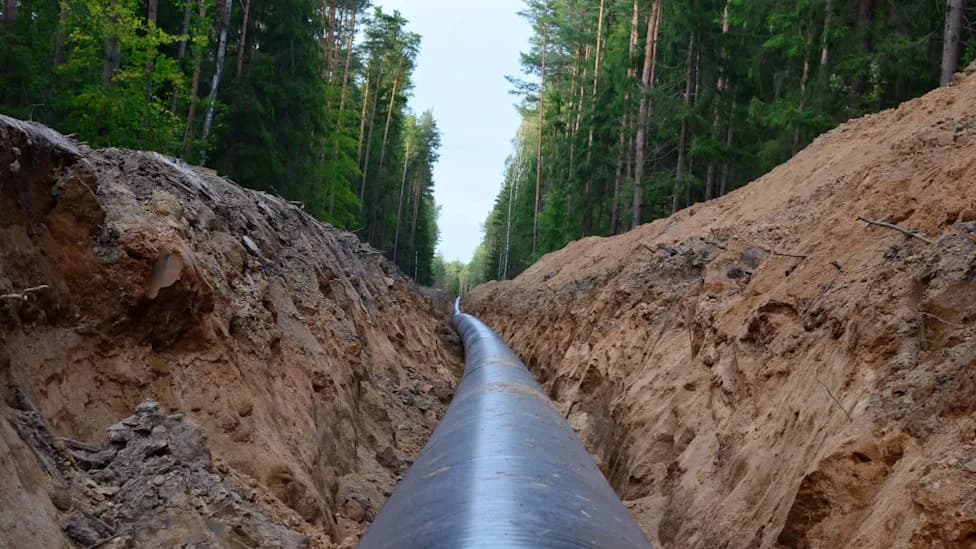
Under Texas eminent domain statutes, qualifying pipeline companies may condemn private land for projects deemed to serve a public use and proceed with construction while the landowner’s claim for compensation is litigated. That sequence can leave property owners dealing with lasting effects — compacted soil, damaged fencing, altered water access, and limits on future land uses — long before compensation is determined.
Fifth-generation rancher Babette Taylor of McCulloch County described similar frustrations on land crossed by multiple pipelines, underscoring how permanent easements and long-term impacts can affect families for generations.
Broader Legal and Policy Implications
The verdict could change negotiation dynamics between landowners and pipeline operators: a large public award may encourage companies to present more realistic initial offers rather than assuming owners will accept low settlements. The case also comes as the U.S. Supreme Court has agreed to hear Hoffmann v. WBI Energy, a separate eminent domain dispute that could influence how compensation is calculated when private firms rely on federal authority to build pipelines.
Texas lawmakers took a step in 2021 by requiring pipeline companies to repair damaged land or compensate owners for unrepaired harm, but that law does not directly define what constitutes "fair compensation" — a question the Eggemeyer verdict may now help to shape.
Environmental and Community Concerns
Beyond property impacts, expanding natural gas infrastructure ties communities more closely to the fossil fuel economy. Extraction, transport, and combustion of fossil fuels carry environmental and public-health risks — including air and water pollution and contributions to extreme weather — that can harm local economies and public health. Critics also point to industry lobbying as a factor that has slowed deployment of cleaner alternatives.
Bottom line: The Eggemeyer award highlights tensions between eminent-domain power, fair compensation for landowners, and broader debates about energy policy and community impacts.
Help us improve.