Colombia has become the first Latin American country to ban female genital mutilation (FGM), following years of grassroots campaigning by Indigenous activists. Carla Quiñonez describes how her daughter was secretly cut at six months old, suffering fever and bleeding. Official records show 240 cases between 2020 and June 2026, but paediatricians say the true number is likely higher. Advocates stress the law must be backed by education, funding and culturally sensitive public policies to protect girls and support survivors.
“My Grandmother Subjected My Baby to FGM” — Colombia Bans Practice After Grassroots Campaign
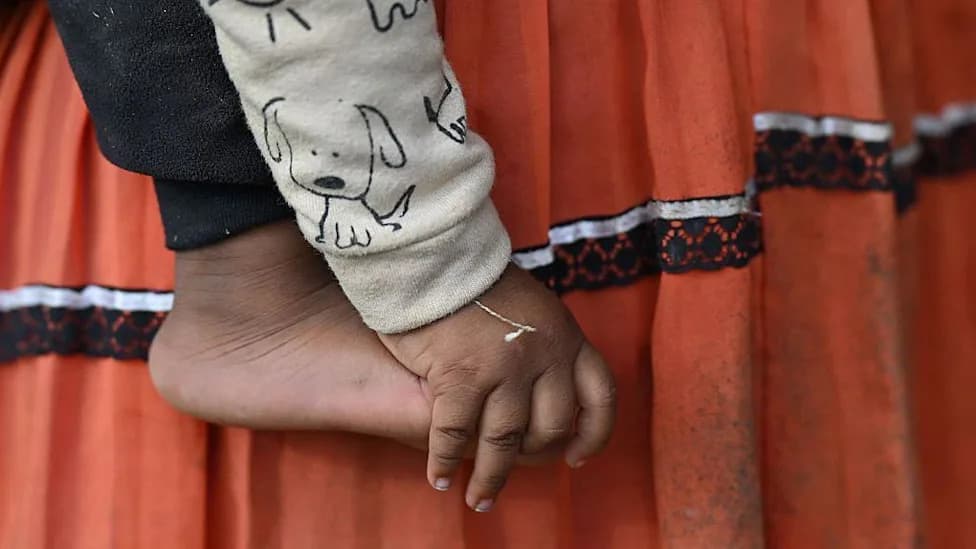
It is believed FGM is more prevalent in the Emberá community than official statistics suggest [AFP via Getty Images]
Trigger warning: This article contains descriptions of female genital mutilation (FGM) and may be distressing to some readers.
In a landmark move, Colombia has become the first country in Latin America to outlaw female genital mutilation (FGM), a practice activists describe as secretive, dangerous and deeply rooted in certain communities. The measure was passed unanimously in Congress after years of local advocacy and testimony from survivors and community leaders.
An intimate account
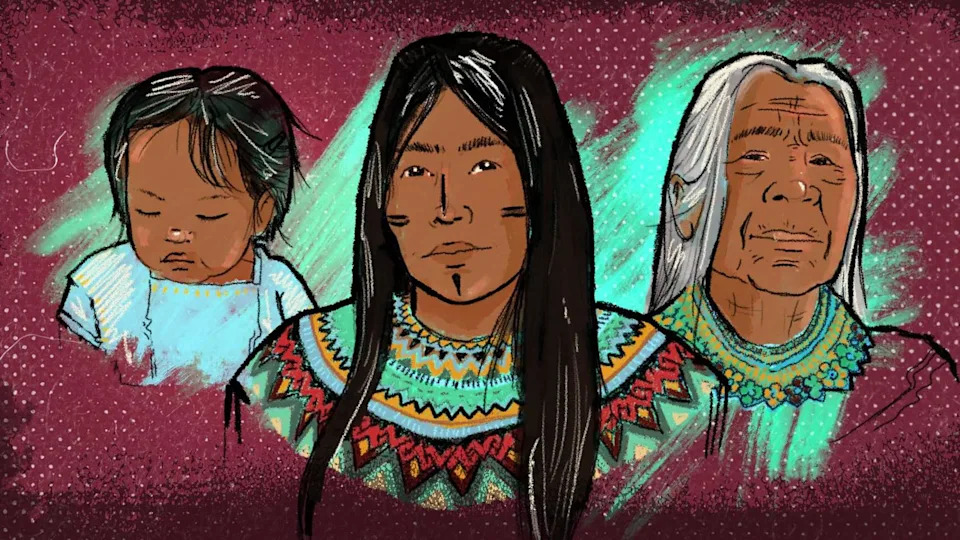
Carla Quiñonez is an activist working to end female genital cutting within her Emberá community [BBC]
One activist, identified as Carla Quiñonez (a pseudonym), recalls her daughter being subjected to FGM at six months old by the child’s great-grandmother. When the baby was returned to her mother she had a fever, swollen tissue and bleeding and cried continuously. "I confronted my grandmother, but she said it was normal and that I could not tell anyone," Quiñonez says.
"She said that men make fun of women who have a clitoris," Quiñonez adds, describing the social pressure that sustains the practice.
With the nearest health centre far away, Quiñonez’s mother, a midwife, treated the baby with medicinal plants and challenged the older woman, who refused to listen. Since then, Quiñonez says she has faced threats for speaking out and poor treatment from some health workers—including an episode when a nurse reportedly called her "a savage" and threatened to involve child-welfare services.
Health consequences and official records
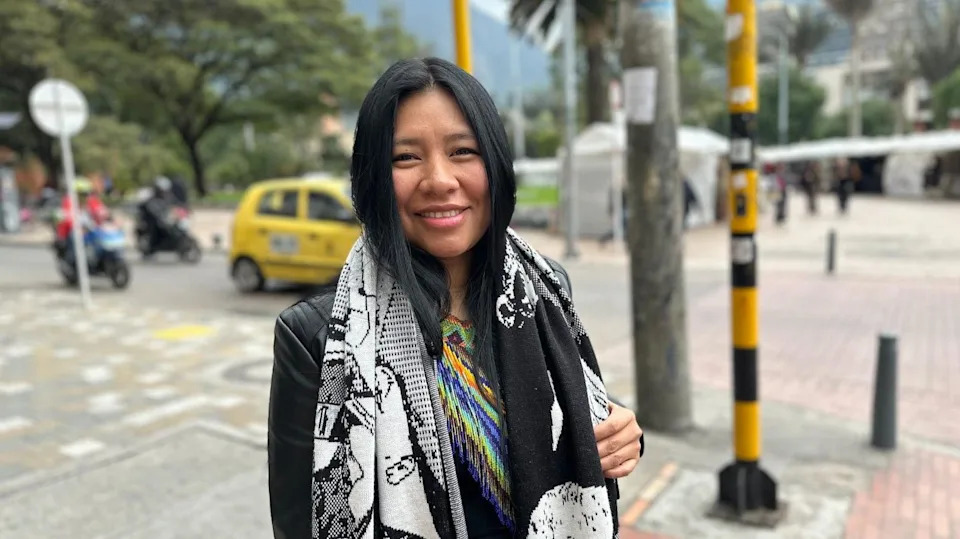
Juliana Domico, the legal representative of the Emberá Confederation, pushed for the bill's passage [José Carlos Cueto / BBC Mundo]
FGM involves the partial or total removal of external female genitalia or other injury to those organs for non-medical reasons. It can cause immediate emergencies such as haemorrhage and infection, and long-term problems with menstrual health, childbirth and sexual function. The World Health Organization estimates more than 230 million women and girls alive today have experienced cutting, mostly in Africa.
Colombian health records show 240 cases of FGM between 2020 and June 2026, and in most recorded instances the girls were under six. Paediatrician Diana Ramos Mosquera, who treats children at San Jorge University Hospital in Pereira, says those numbers likely understate the true prevalence. She describes seeing scars, burns and a case where a girl’s vaginal opening had been sealed, requiring reconstructive surgery.
"I regard FGM as sexual and gender-based violence with lifelong consequences," Dr Ramos says, stressing that education and community engagement must accompany legal measures.
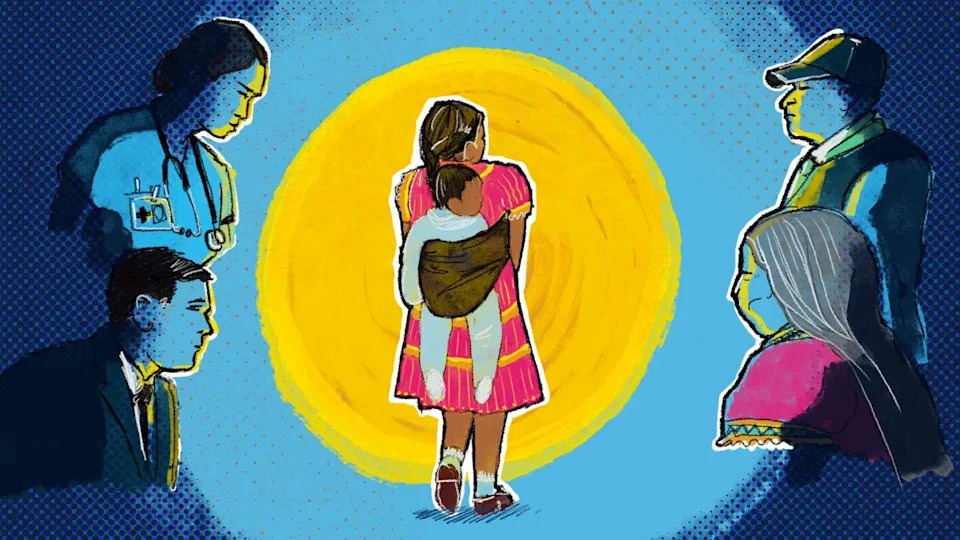
Quiñonez says while FGM is considered a 'woman's issue', male authority figures have created obstacles to change [BBC]
Origins, myths and community debate
The Great Emberá Nation, one of Colombia’s largest Indigenous groups with about 300,000 members, is among the communities where FGM persists. Scholars and local leaders offer several hypotheses about how the practice began: it may have been introduced by enslaved Africans, it may stem from historical misunderstandings about intersex births (leading to fear of the clitoris), or it may be rooted in patriarchal beliefs that associate the clitoris with promiscuity.
Juliana Domico, legal representative and Indigenous councillor for the Emberá Confederation, rejects the idea that FGM is a legitimate part of culture. "Our culture is our clothing, our crafts, our dances and our language, not a practice that kills. Culture does not kill," she says, urging that the new law be matched with public policy, resources and education.
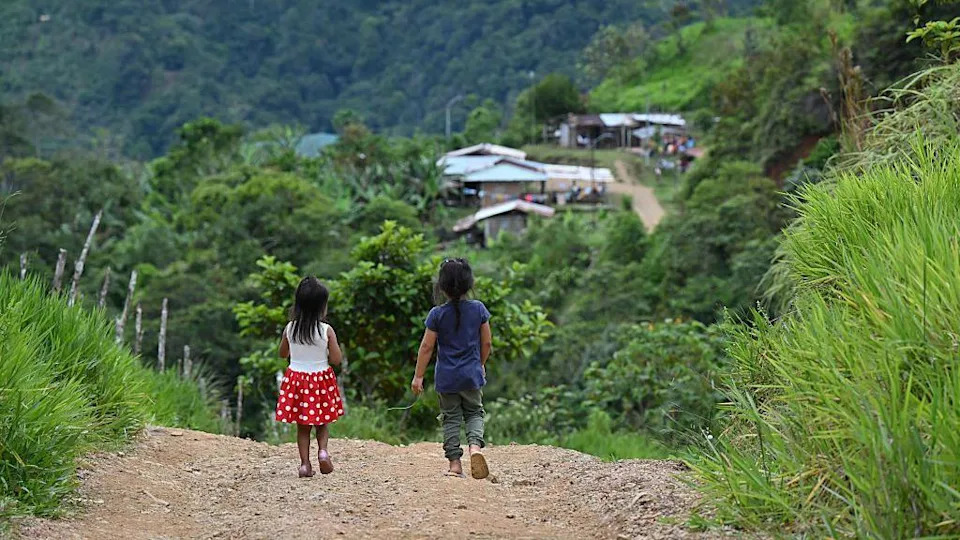
Activists hope the new law will also bring with it more education about the damage FGM causes [AFP via Getty Images]
Law, implementation and challenges ahead
Activists who pushed for the ban hope the law will be a turning point, but many stress that criminalization alone will not end FGM. Key priorities include culturally sensitive education, community-led dialogues, training for health workers, language access for Indigenous women, and funded public programs to protect children and support survivors.
Quiñonez reports small but meaningful changes: more women in her community are privately questioning the practice, and some elders express regret for having performed cuts on younger generations. "Women who have grown up without a clitoris cannot imagine a different body," she says, "but all of us deserve to understand our bodies and to talk about them without shame."
Support and resources
For readers affected by issues raised in this story, support resources are available through the BBC Action Line and local health and social services. The passage of the law offers a legal safeguard, but effective protection will depend on sustained investment in education, health care and respectful community engagement.
Illustrations by Daniel Arce, BBC Mundo Visual Journalism Team. Reporting by José Carlos Cueto.
Help us improve.