
Steven Quay, a pharmaceutical executive and vocal lab‑leak proponent, is reportedly close to being named director of NIAID, the agency that manages about $6.5 billion in research funding. Health Secretary Robert F. Kennedy Jr. reportedly selected Quay despite NIH reviewers not advancing him to interviews. Quay, who lacks formal infectious‑disease training, has called for tougher oversight of high‑risk research and proposed tracing mechanisms for engineered pathogens. The potential appointment is likely to intensify partisan disputes over Covid’s origins and NIAID research priorities.
Steven Quay Nears Appointment To Lead NIAID, Raising Questions About Covid Origins And Research Oversight
A lab-leak proponent is in line for Fauci’s old job
Steven Quay, a pharmaceutical executive and prominent proponent of the lab-leak theory for Covid-19, is reportedly close to being named director of the National Institute of Allergy and Infectious Diseases (NIAID). The NIAID director oversees roughly $6.5 billion in health-research funding and plays a central role in shaping U.S. infectious-disease research priorities.
According to two people familiar with the decision, Quay’s selection by Health Secretary Robert F. Kennedy Jr. is pending final vetting. POLITICO granted the sources anonymity because the appointment has not been finalized and NIH staff had not advanced Quay to the interview stage when the agency conducted an open call for applicants last year. Kennedy reportedly chose Quay over interviewed finalists, and NIH signed off on the hire last week.
Quay’s Background And Views
Quay is a physician and pathologist who founded several drug companies, most recently Atossa Therapeutics, a Seattle-based firm developing cancer therapies. He is best known for advocating a lab-origin theory for SARS-CoV-2, co-authoring the 2021 book The Origin of the Virus: The Hidden Truths Behind the Microbe That Killed Millions of People and publishing a follow-up that argues the virus shows signs of laboratory manipulation.
Testifying before a Senate panel in June 2024, Quay accused some U.S. virologists of saying different things publicly than privately and described that behavior as, in his words, “a form of academic fraud that should not go unpunished.” He has also called for stricter oversight of high-risk pathogen research and proposed measures such as third-party review panels, engineered-pathogen "watermarks" to trace origins, and stronger containment enforcement.
Why The Appointment Is Controversial
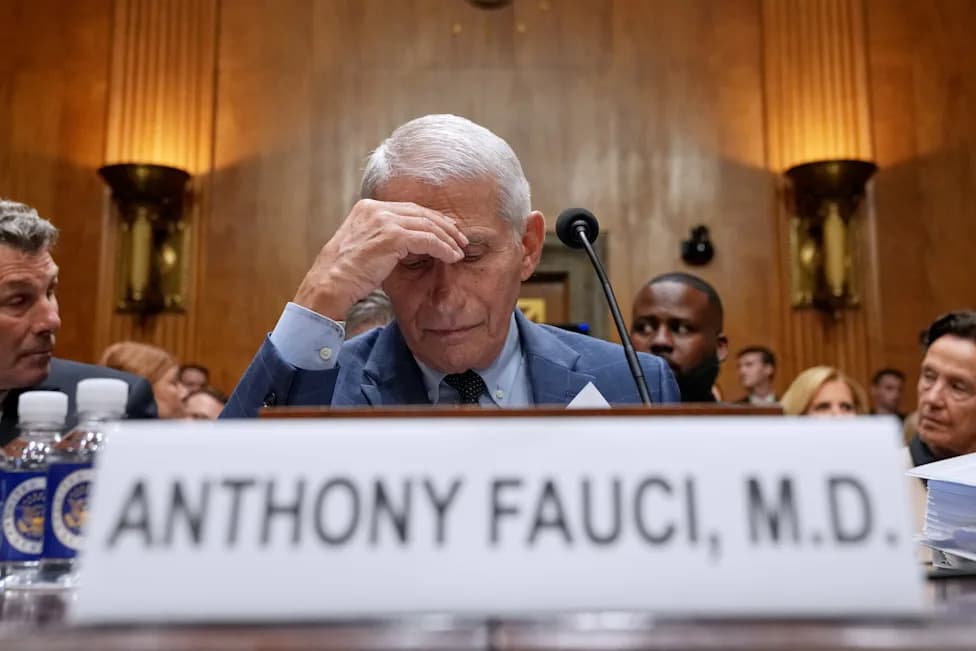
Quay’s possible appointment comes amid renewed partisan dispute over the pandemic and the role of former NIAID director Anthony Fauci. At a recent Senate hearing, Republicans accused Fauci of funding research that could have contributed to the virus’s emergence; Fauci invoked his Fifth Amendment right in response and has been defended by Democrats. The hearing and related disclosures, including excerpts of Fauci’s diary, have intensified public debate about the origins of Covid-19.
U.S. intelligence agencies — including the CIA, FBI and the Department of Energy — have indicated they lean toward a lab-leak explanation, while many scientific assessments, including a World Health Organization expert report, have favored zoonotic spillover as the most likely route. The WHO report said the weight of available evidence suggests a natural origin, while also noting limited cooperation from Chinese authorities for its investigation.
Funding, Oversight And Policy Implications
Quay would be the first NIAID director drawn primarily from the pharmaceutical industry rather than from academia or NIH’s research ranks, and he does not have formal infectious-disease specialty training. His industry background and public stance on Covid’s origins are likely to shape NIAID priorities, particularly around oversight of high-risk research, gain‑of‑function work and transparency policies.
In 2024, HHS suspended funding for EcoHealth Alliance and its president Peter Daszak over alleged oversight noncompliance; EcoHealth and Daszak deny their work caused the pandemic. HHS announced last week it would pause research it deems risky gain-of-function. Senator Rand Paul has proposed legislation to create a presidentially appointed panel to vet potentially risky research grants — an idea aligned with some of Quay’s public proposals.
Leadership Context And Next Steps
NIAID has been led by acting directors since Anthony Fauci retired at the end of 2022. Jeanne Marrazzo, who was hired in 2023, was dismissed last year by Health Secretary Kennedy and later sued HHS alleging retaliation; the agency has operated without a permanent director since. John Powers III is currently serving as acting NIAID director.
If confirmed internally and formally appointed, Quay would face the immediate challenge of calming a polarized research community while implementing Kennedy’s priorities on transparency and oversight. He has declined to comment publicly about the pending hire, and HHS spokespeople did not respond to requests for comment.
Bottom line: The reported choice of Steven Quay would mark a notable shift in NIAID leadership toward a director from industry with outspoken views on the pandemic’s origins and a stated agenda to tighten oversight of risky pathogen research.
Help us improve.





















