Daniel Flores, an LAPD officer who secretly recorded nearly 100 conversations in 2024, has been indicted on 16 counts of felony eavesdropping after using the recordings in a 2025 complaint accusing the Recruiting Division's Personal History Section of racist, sexist and homophobic conduct. Los Angeles County DA Nathan J. Hochman condemned the remarks but cited California's "all‑party consent" law as the legal basis for the charges; Flores faces up to 13 years if convicted. Flores' attorneys argue he acted within his duties and that colleagues had no reasonable expectation of privacy, while an internal review recommended a possible 22‑day suspension and Flores has filed a retaliation lawsuit.
LAPD Whistleblower Indicted: 16 Felony Eavesdropping Counts After Secret Recordings of Racist Remarks
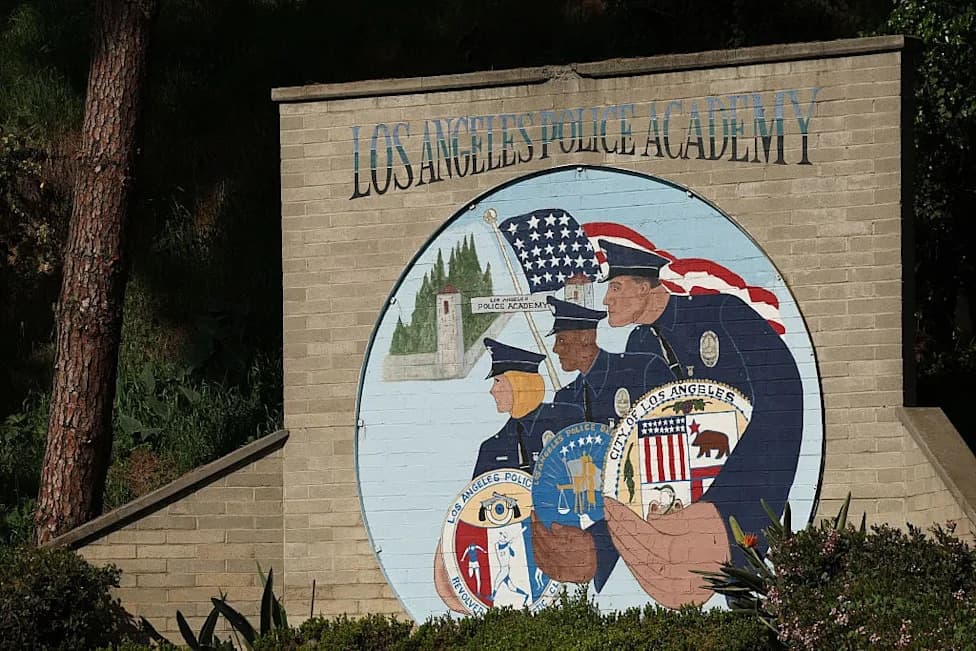
LAPD Cop Who Recorded Colleagues’ Racist, Sexist Remarks Charged With Felony Eavesdropping
Daniel Flores, an LAPD officer who secretly recorded nearly 100 conversations in 2024 to document racist, sexist and homophobic remarks by colleagues, has been indicted on 16 counts of felony eavesdropping. Flores included the recordings in a formal complaint he filed with the department in 2025.
Charges and Legal Context
Los Angeles County District Attorney Nathan J. Hochman announced the indictment, condemning the hateful content captured on the tapes while noting that California is an "all‑party consent" state. "We deplore the sexist, homophobic and racist remarks made by certain LAPD employees, and they should be held accountable for such statements," Hochman said, adding that recording others without their consent where there is a reasonable expectation of privacy can violate state law. If convicted on all counts, Flores faces up to 13 years in prison.
Recordings, Complaint and Allegations
Flores' internal complaint targeted the LAPD Recruiting Division's Personal History Section, the unit responsible for vetting new recruits. According to the complaint, Flores supported his allegations with nearly 100 recordings made in 2024 that allegedly document pervasive racism and bias directed at Black, Latino and Asian people as well as women and LGBTQ+ individuals. The recordings reportedly include crude racial stereotypes, slurs and references to racial violence; one allegation describes a Latina officer advising colleagues to "hit black people in the liver; I heard they got weak livers."
The complaint names unit leaders, including Sgt. Denny Jong (identified as Asian American) and Lt. Louis Lavender (identified as Black), as having condoned or participated in biased remarks. The disclosures prompted public outcry and criticism from city officials, including Mayor Karen Bass, who called the documented behavior "especially outrageous and unacceptable."
Defense Position and Department Action
Flores' criminal defense attorney, Alan Jackson, has said the prosecutor is effectively charging an officer for reporting racism within the department. Jackson indicated he will argue Flores did not violate the California Invasion of Privacy Act because he was acting in his official capacity and because his colleagues did not enjoy a reasonable expectation of privacy while on duty. Civil attorney Gary Smith noted that an internal review found Flores violated department policy and recommended a possible 22‑day suspension. Flores has since filed a lawsuit accusing the LAPD of retaliating against him for reporting misconduct.
What Comes Next
The case highlights a legal and ethical tension between documenting alleged wrongdoing and obeying privacy and eavesdropping laws. Prosecutors must decide whether the recordings violated state law, while Flores and his attorneys argue the recordings were necessary to expose institutional bigotry. Both the criminal case and internal disciplinary matters remain active.
Bottom line: The indictment of a whistleblowing officer has intensified debate over how best to hold law enforcement accountable while respecting privacy laws that govern recordings in California.
Help us improve.