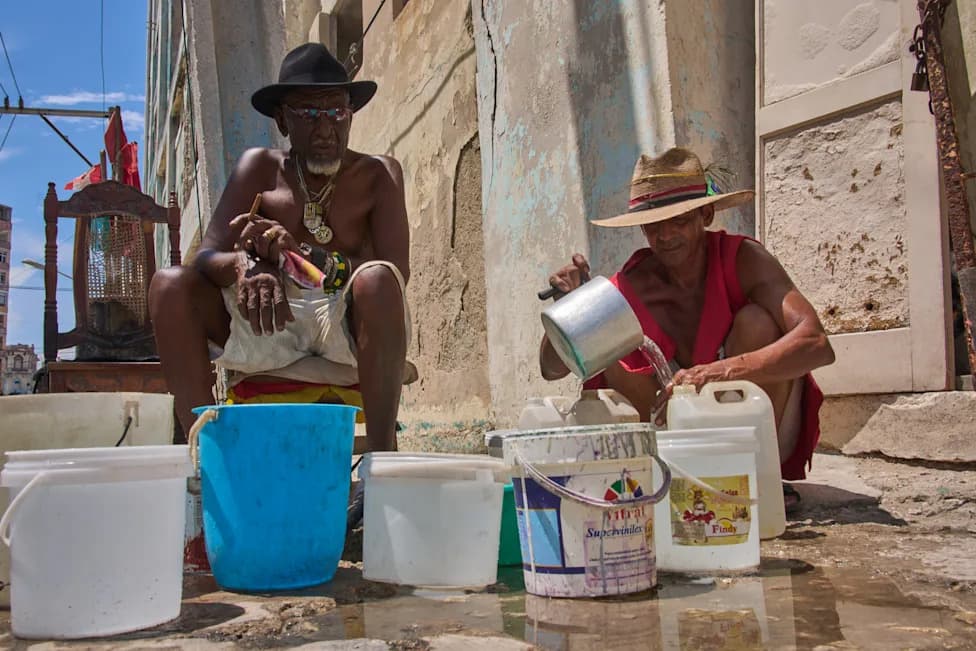
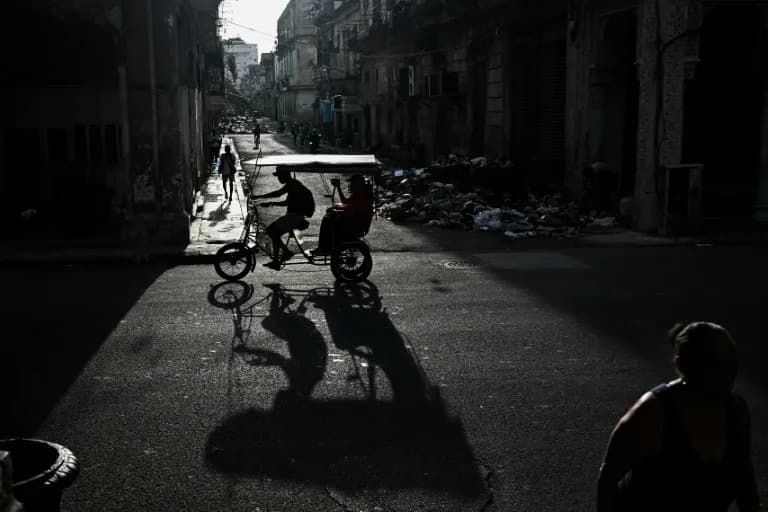
Cuba's prolonged energy shortages have worsened living conditions and are taking a clear toll on mental health. Blackouts and fuel shortages disrupt water supplies, transport and businesses, leaving many exhausted and unable to plan ahead. Clinics in Havana report rising demand for stress-management services and an increase in suicidal behavior among teenagers; a 2025 survey linked prolonged blackouts to extremely severe depression, anxiety and stress. Officials warn that the population is living in a near-permanent "state of alert."
Cuba's Resilience Masks a Rising Mental-Health Toll as Energy Crisis Deepens
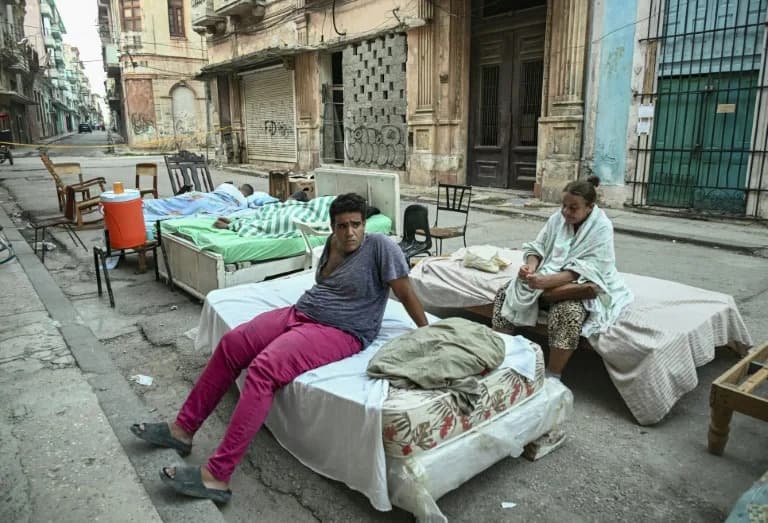
Sleeping out in the stifling summer heat leaves residents of a partially collapsed building exhausted (YAMIL LAGE)
Cubans pride themselves on resourcefulness and grit, but the island's prolonged energy crisis is extracting a growing psychological price. Blackouts, fuel shortages and the day-to-day struggle to secure basic needs have left many residents exhausted, anxious and unable to plan for the future.
On a Central Havana street, 44-year-old Mayumis Nunez now sleeps on an improvised bed outside the century-old building where she had lived for years. Three weeks earlier a portion of the picturesque block collapsed and authorities declared it uninhabitable. Sleeping outdoors in the summer heat has left her physically drained, but the open-ended nature of the situation—"one day, and another day and another day"—is what troubles her most.
Each morning Mayumis climbs back to her damaged apartment to bathe, change and prepare for work. For millions of Cubans, day-to-day life is now shaped by rolling blackouts that stop water pumps and by fuel shortages that have removed public buses from many routes. The unrelenting labor of meeting immediate needs leaves little energy for long-term planning or emotional recovery.
Health Services See Rising Demand
Clinics in Havana are reporting an uptick in people seeking mental-health support. At Calixto Garcia hospital, a long-running stress-management clinic has seen group sessions filled with students, retirees and professionals who describe similar worries: frequent blackouts, economic strain, family members who have emigrated and deferred life plans.
"Everything is chaotic. This current situation is so stressful and so uncertain that you don't even know how to get through the day," said 29-year-old teaching student Claudia Sifredo, who has postponed goals such as moving out of her parents' house. "Therapy has helped me focus on what I can control," she added.
Stress on Top of Stress
Tania Peon, Havana's director of mental health, says a large portion of the population lives in a sustained "state of alert," constantly focused on meeting basic needs. "It's stress on top of stress," she warns. While families continue to find coping strategies, Peon says the level of exhaustion is high, especially among younger people who are in life stages typically associated with building futures and expectations.
Peon also cautions that mental-health trends have multiple causes, but she notes an observed increase in suicidal behavior among teenagers during the first half of the year—an observation she says cannot be fully separated from the persistent uncertainty and daily pressures youths face.
A 2025 survey of Cuban adults documented "extremely severe" levels of depression, anxiety and stress, and found a direct association between prolonged blackouts and deteriorating mental health.
Lives and Livelihoods Disrupted
Forty-five-year-old tour guide Leandro Wanton and his partner, 49-year-old chef Roberto Ronda, run a small food business in Old Havana. They say frequent power cuts disrupt schedules, ruin perishables and make every workday unpredictable. "There's no peace, no rest," Roberto says. "Your mental health wears down."
In rural Consolación del Sur, farmer Fidel Maqueira spends nights guarding his oxen against theft while coping with water shortages, lack of agricultural supplies and rising prices. "We're living through a very bad time. We're going crazy," he says. "We don't have any peace at all." To carry on, he tries not to dwell on the problems and to make do with what little he has.
As night falls in Havana, Mayumis lies down once more outside her half-collapsed building. Tomorrow she will climb back to what remains of her apartment, prepare for work and face the same challenges again. For many Cubans, the cycle repeats: the grind of daily survival stretches into an uncertain future.
Context note: Residents and officials say conditions have worsened since Washington imposed energy-related restrictions in January, contributing to prolonged blackouts and fuel shortages, according to local accounts cited in reporting.
Help us improve.