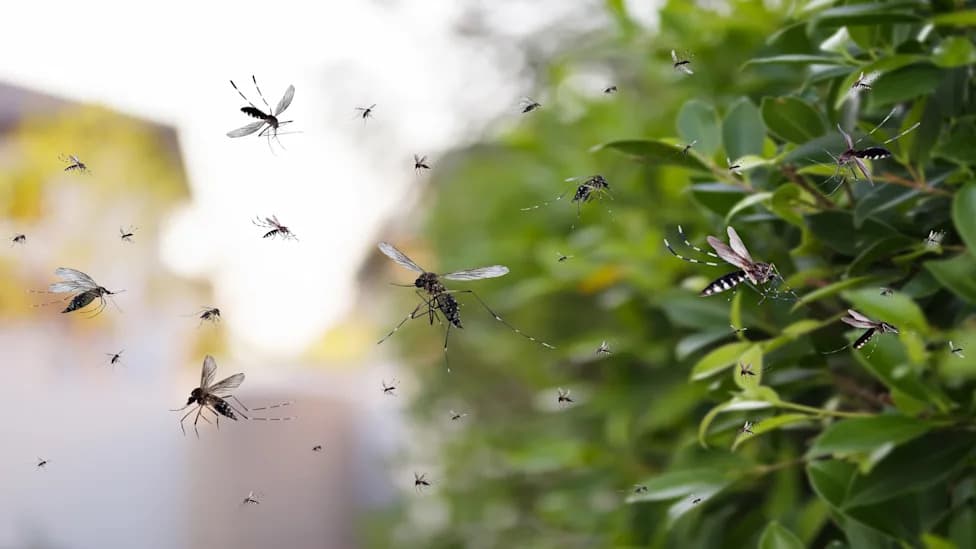
FIU researchers tested 119 volunteers in olfactometers to see how three mosquito species (Aedes aegypti, Aedes albopictus, Culex quinquefasciatus) respond to individual human scents. Attraction varied by species and by person: Ae. aegypti showed a modest preference for males, but each mosquito species favored different people. Analysis of arm VOCs and skin microbiomes (246 bacterial taxa) identified three bacteria linked to high attractiveness, suggesting microbes and odor compounds help explain mosquito host choice.
You're Not Imagining It — Skin Bacteria and Odors Make Some People More Attractive to Mosquitoes
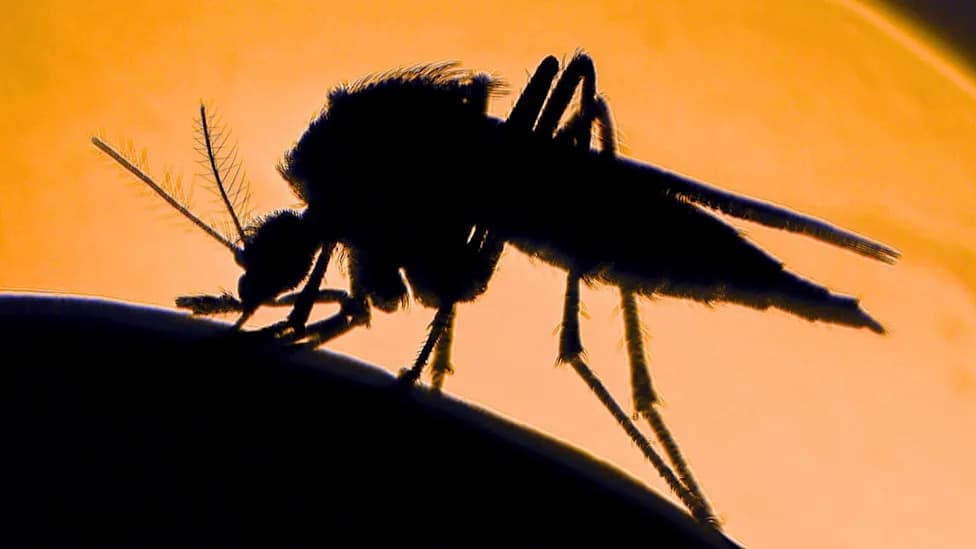
(LWA/Getty Images)
Mosquitoes are more than a seasonal nuisance: they are the deadliest animals on Earth because of their extraordinary ability to spread diseases such as malaria, dengue fever and West Nile virus. Scientists estimate mosquito-borne illnesses cause more than 1 million human deaths each year, so understanding what draws mosquitoes to particular people is a public-health priority.
In a new study published in iScience, researchers from Florida International University (FIU) led by neurogeneticist Matthew DeGennaro tested how three mosquito species respond to individual human scents. They recruited 119 volunteers in Miami and asked each person to insert an arm into a long tube called an olfactometer while the team released one of three mosquito species — Aedes aegypti, Aedes albopictus and Culex quinquefasciatus — at the opposite end to record attraction patterns.

An example of a mosquito attraction olfactometer experiment. (Peggy Greb/USDA)
Human Odor, Bacteria and Mosquito Behavior
Human body odor arises when odorless skin secretions are converted by skin microbes into volatile organic compounds (VOCs). There are thought to be more than 1,000 skin VOCs, and roughly 3,600 known mosquito species likely have differing scent preferences, which complicates efforts to identify exactly which chemicals drive attraction.
The FIU team found that attraction was both species-specific and person-specific. Aedes aegypti showed a modestly higher attraction to male participants, while Aedes albopictus and Culex quinquefasciatus showed no clear sex preference. Crucially, individuals who attracted one species strongly did not necessarily attract the others — each mosquito species tended to favor a different subset of people.
YouTube Thumbnail
VOCs and Skin Microbiomes: Distinct Strategies
When the researchers analyzed VOCs collected from participants' arms, they observed different patterns: Ae. aegypti and Cx. quinquefasciatus appeared to be more likely to land on people who lacked certain VOCs associated with low attraction (suggesting avoidance of particular compounds), whereas Ae. albopictus seemed drawn to specific attractive VOCs.
Skin microbiome profiling across the 119 volunteers identified 246 distinct bacterial taxa. Although participant microbiomes were diverse, the team found three bacterial taxa consistently associated with high-attraction individuals across all three mosquito species: Co. kefirresidentii, Cu. granulosum and Staphylococcus epidermidis. These taxa may broadly signal an attractive host, but the authors emphasize that causation is not yet established.

Subscribe to ScienceAlert's free fact-checked newsletter
Implications and Next Steps
The study strengthens evidence that both skin microbes and the VOCs they produce help explain why mosquitoes preferentially target some people. With further research to map the specific chemicals and microbial interactions involved, these insights could inform next-generation repellents that mimic avoidance cues or even approaches that alter the skin microbiome to reduce human attractiveness to mosquitoes.
Study Note: Results are correlative and species-specific: more work is needed to confirm causal mechanisms and to test whether manipulating skin bacteria or VOCs can reliably reduce bites and disease risk.
Findings reported in iScience.
Help us improve.