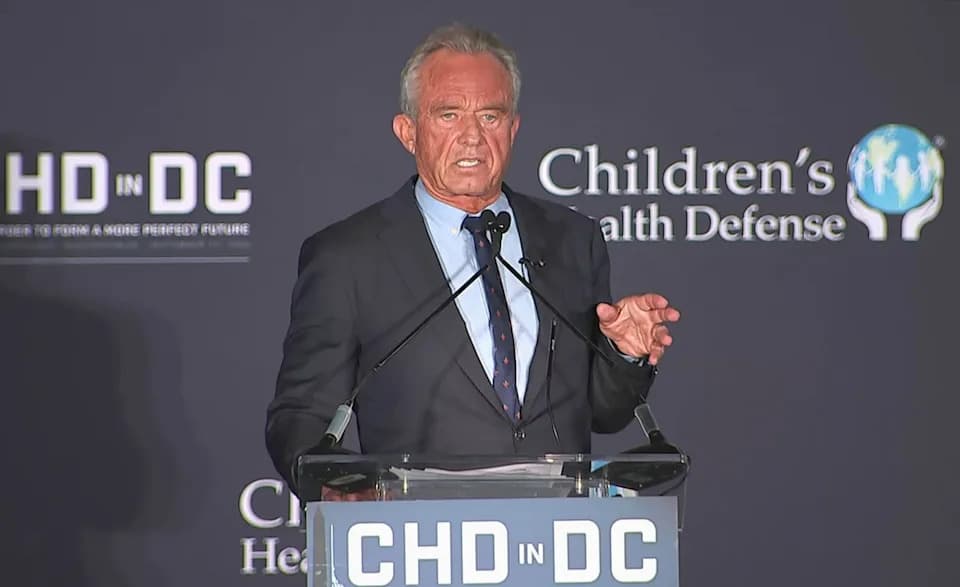
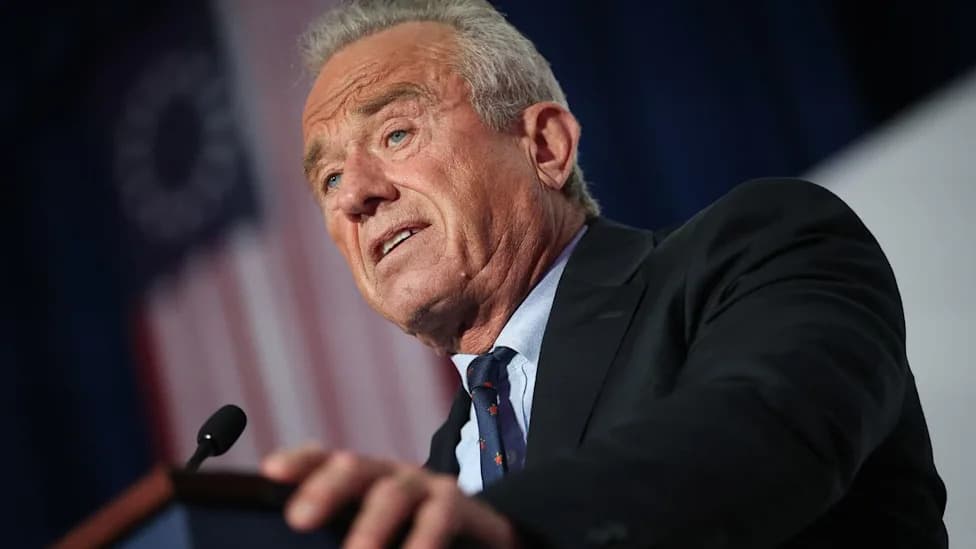
Robert F. Kennedy Jr.'s 21-minute CNN interview with Dana Bash featured a rapid-fire series of claims experts identify as a "Gish gallop." Scholars say the tactic overwhelms opponents and viewers with many assertions, often relying on identity signaling and personal attacks rather than strong evidence. The segment raised questions about how moderators can fairly and effectively counter rapid misinformation within tight broadcast time limits.
RFK Jr.'s 21-Minute CNN Interview — Experts Call It a Classic 'Gish Gallop'

Health Secretary Robert F. Kennedy Jr. on Sunday crashed out and hurled attacks at CNN host Dana Bash as she pressed him over his vaccine skepticism in a contentious 21-minute interview on "State of Union." CNN
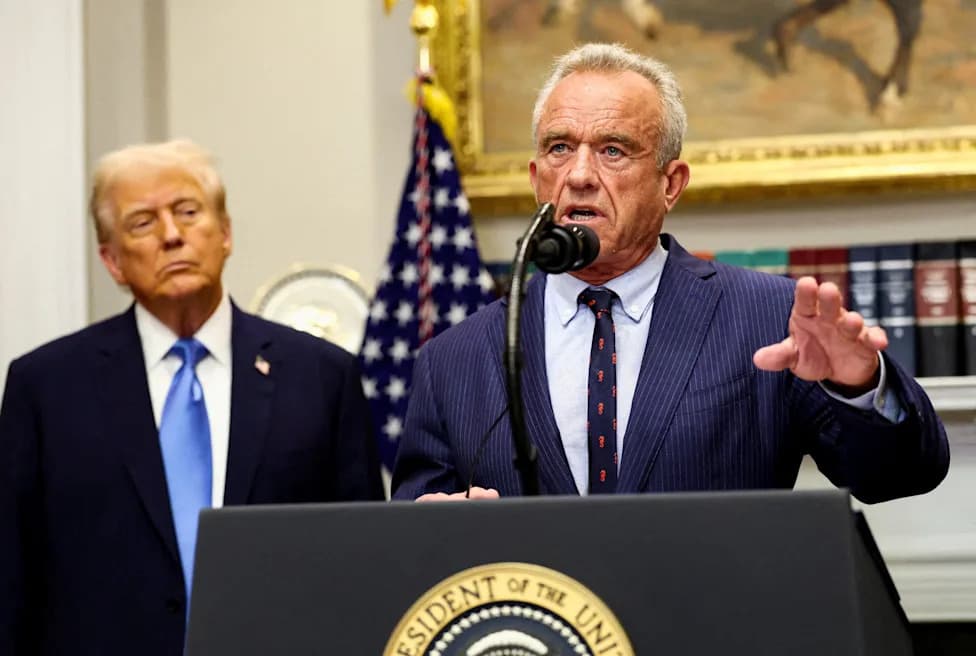
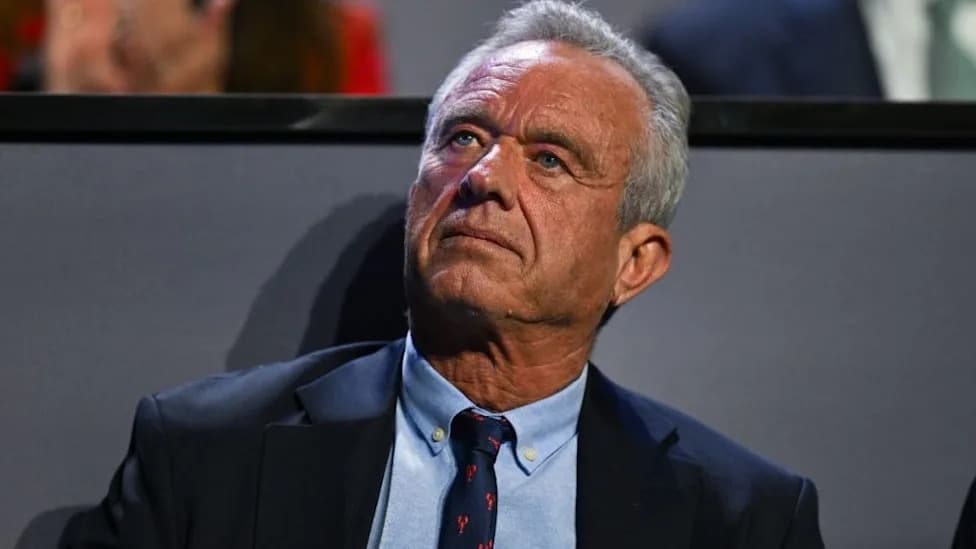
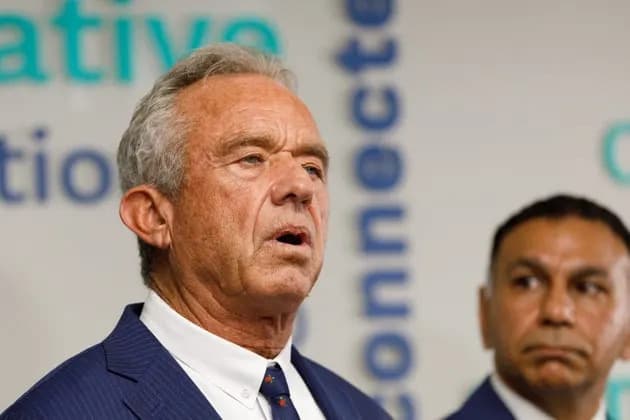
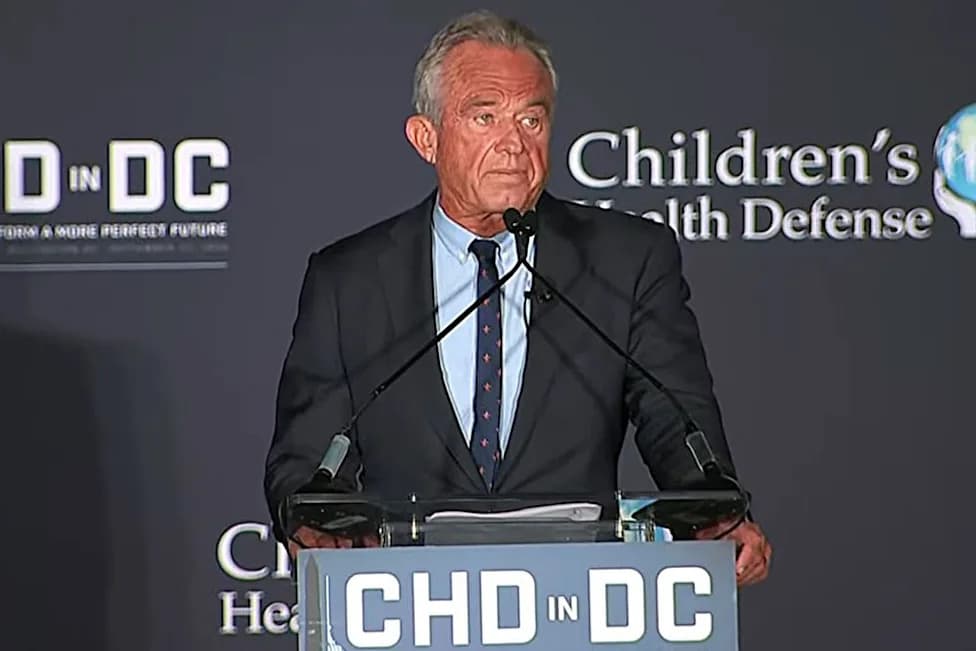
Robert F. Kennedy Jr., a prominent vaccine skeptic and public figure, clashed with CNN anchor Dana Bash during a contentious 21-minute "State of the Union" interview that many scholars say illustrated a classic rhetorical tactic known as the "Gish gallop." Throughout the segment, Kennedy delivered a rapid succession of claims and personal attacks that left viewers and media analysts debating how live interviews should handle fast-paced misinformation.
What Happened On Air
During the exchange Kennedy insisted he had never questioned the effectiveness of the MMR vaccine — even though he has publicly raised concerns about it — and challenged Bash to name a study showing COVID-19 vaccines protected children. (The CDC published a study on pediatric vaccine effectiveness in December.) He also asserted that intensive care units were "empty all across the country" at the pandemic's height, a claim that conflicts with reports of unprecedented strain on many health systems. Kennedy revived former President Donald Trump’s suggestion linking prenatal acetaminophen (Tylenol) use to autism, a claim experts say has been repeatedly debunked.
"It's a rhetorical trick, but remarkably effective," anthropologist Eugenie Scott told HuffPost. "The onslaught of point after point can be mesmerizing to the audience. It has little to do with the quality of the evidence behind the points — the point is to overwhelm the opponent with so many 'facts' it's impossible to refute them in the time available."
Why Experts Call It A Gish Gallop
Scholars say the Gish gallop — named after creationist Duane Gish and described by Eugenie Scott in 1994 — relies less on strong evidence than on quantity, speed and identity signaling. Scott Aikin, an associate professor of philosophy at Vanderbilt University, calls it a "leveling" maneuver: by firing off many objections and claims, the speaker makes the interviewer appear evasive if they cannot respond to every point immediately.
Jennifer Sclafani, an assistant professor of linguistics, notes that fast repetitions and personal jabs also function as authority-building tools. Mocking an opponent as a "parrot" or accusing the press of "absolute press malpractice" are identity cues that aim to shift viewer trust even when factual support is thin.
Challenges For Moderators
The segment highlighted a familiar tension for interviewers who must both moderate and challenge a guest: cut the guest off to preserve time and provide rebuttals, or address personal attacks directly and risk losing control of the factual narrative. Bash's on-air reply to Kennedy's "You're not a scientist" — "Well, you're not either" — was cited by experts as an effective, truthful pushback in the moment.
Observers also noted the practical limits of television: a 21-minute slot on a 24-hour news network is often insufficient to unpack a rapid-fire barrage of misleading or complicated claims. The exchange has renewed discussion about best practices for live interviews when guests deploy rhetorical overwhelm tactics and about the responsibilities of moderators and producers to protect the public conversation.
Takeaway
Experts stress that viewers and journalists should focus on method as well as content: a flood of shallow or misleading claims does not substitute for a few well-supported arguments. Calling out manipulation, asking for specific evidence, and allocating time for careful rebuttal are key tools for countering Gish-gallop-style interviews.
Help us improve.