
The Perseid meteor shower peaks the night of Aug. 12–13 and this year benefits from a new moon and a recent total solar eclipse, producing especially dark skies across much of the Northern Hemisphere. Perseid meteors enter the atmosphere at about 37 miles (59 kilometers) per second and often produce bright streaks and fireballs. Under ideal conditions the shower can reach about 100 meteors per hour, but rural observers should expect roughly 30–50 per hour; best viewing is in the predawn hours after letting your eyes adjust for ~30 minutes.
How to Watch the Perseids Meteor Shower — Peak Aug. 12–13 After a Total Solar Eclipse
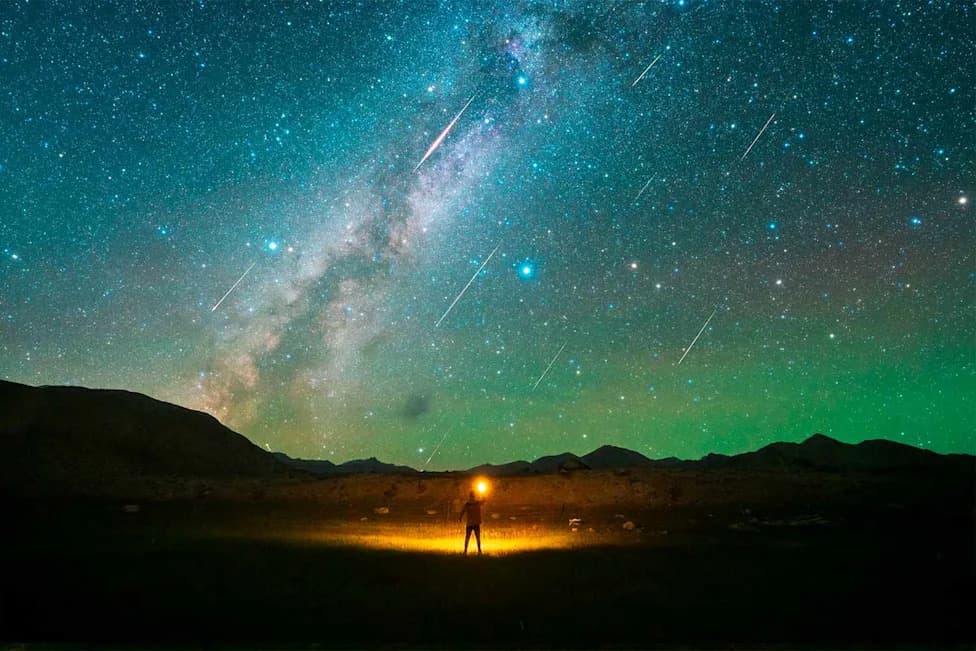
A man watches the Perseid meteor showerCredit: VCG via Getty
The Perseid meteor shower reaches its peak on the night of Aug. 12–13, and this year skywatchers in much of the Northern Hemisphere have extra help from a new moon and a total solar eclipse that leave the nights darker than usual. With its fast, bright meteors and frequent fireballs, the Perseids are one of the most rewarding annual showers to observe.
What Are the Perseids?
Each August, Earth passes through the dusty trail left by comet Swift–Tuttle. When those particles slam into our atmosphere, they vaporize and produce the streaks of light we call meteors. According to NASA, Perseid meteors strike the atmosphere at roughly 37 miles (59 kilometers) per second, making them one of the faster regular showers and often producing long, colorful wakes and occasional bright fireballs.
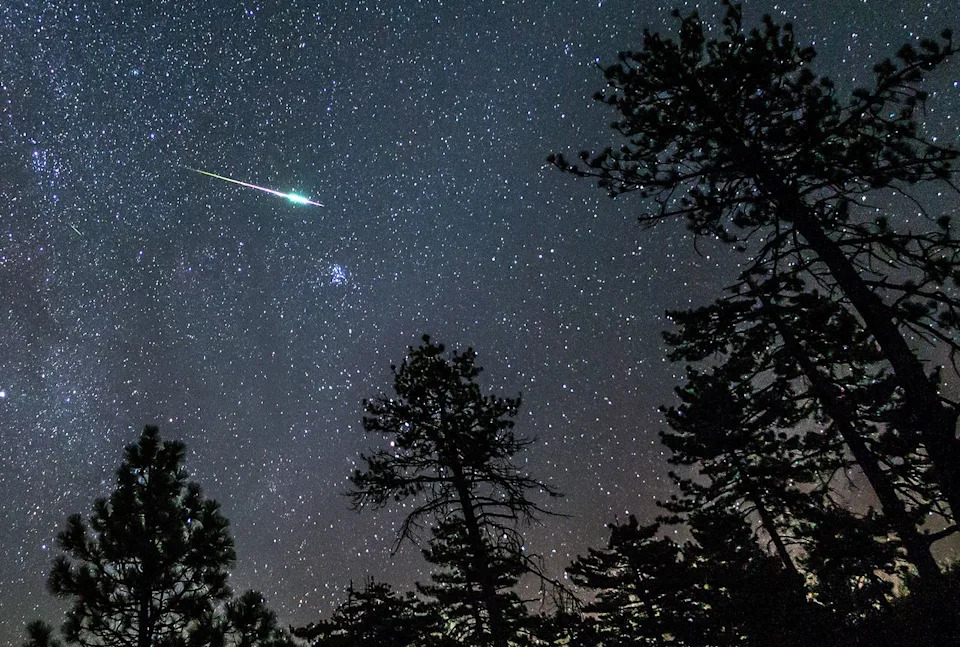
2016 Perseid Meteor FireballCredit: Getty
Why This Year Is Special
This year's peak coincides with a new moon on Aug. 12 and follows hours after a total solar eclipse in parts of the Northern Hemisphere. The lack of moonlight means fainter meteors won't be washed out, improving overall visibility for observers under dark skies.
NASA: "With a new moon arriving on the 12th, the skies will be ideally dark."
How To Watch
- When: The shower is active nights around Aug. 12–13, with the best viewing typically in the hours before dawn. Meteors can sometimes appear as early as 10 p.m. local time.
- Where: Find a wide, open view of the sky away from streetlights and other light pollution. Rural locations give the best counts.
- How: Lie back or use a reclining chair and scan the sky. Aim roughly 40 degrees above the Perseus radiant, but keep your gaze broad — meteors can appear anywhere.
- Preparation: Let your eyes adjust to the dark for about 30 minutes. Avoid checking bright phone screens while your eyes adapt.
- Equipment: No telescope or binoculars are needed; magnifiers reduce your field of view and make meteor watching harder.
What To Expect
Under perfect theoretical conditions, the Perseids can reach about 100 meteors per hour. The American Meteor Society estimates that viewers in rural areas should realistically expect roughly 30–50 meteors per hour during the peak. Expect many bright, fast meteors and occasional spectacular fireballs that leave long, glowing wakes.
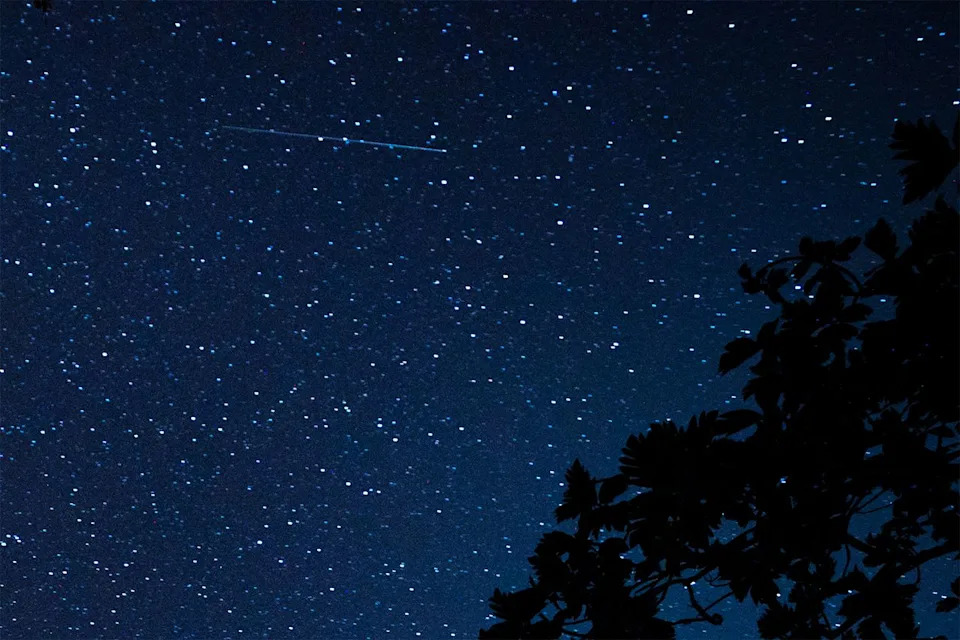
Annual perseid meteorCredit: Thilina Kaluthotage/NurPhoto via Getty
After the Perseids
The next notable shower this year is the Orionids, which the American Meteor Society lists as peaking around Oct. 21–22. While typically not as intense as the Perseids, the Orionids still produce an attractive display for observers under dark skies.
With clear skies, a dark site, and a bit of patience, the Perseids are an easy and memorable event to enjoy. Happy stargazing!
Help us improve.





















