
On 12 August a total solar eclipse will cross Greenland, Iceland and northern Spain, while much of Europe will see a partial eclipse. Maximum totality will last up to 2 minutes and 18 seconds, and parts of the UK may witness up to 95% obscuration near sunset. Observers should use ISO-certified solar eclipse glasses or other safe viewing methods. Astronomer Jake Foster notes it could be over 200 years before the same location sees another total eclipse.
August 12 Total Solar Eclipse: Where, When and How to Watch Safely
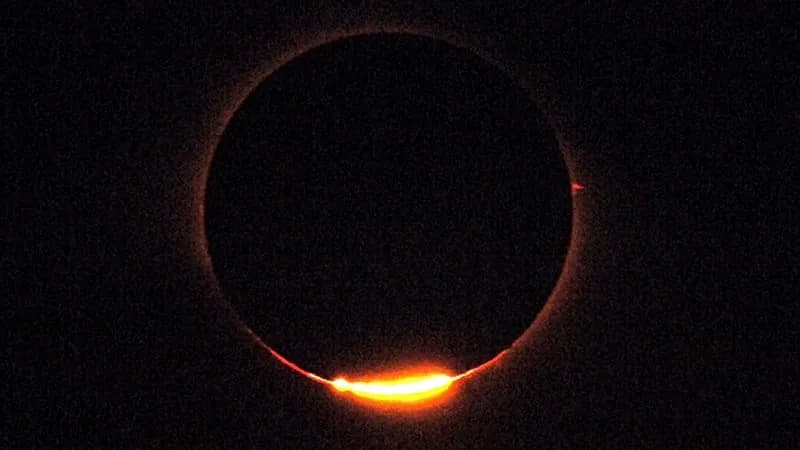
Where and when to watch August's total solar eclipse — safely
On 12 August a total solar eclipse will sweep across parts of the North Atlantic and Europe. The path of totality crosses Greenland, Iceland and northern Spain, while a much larger portion of Europe will experience a partial eclipse.
Where and When to See It
The period of totality at peak will last up to 2 minutes and 18 seconds for locations directly in the path. Observers in the United Kingdom should expect up to 95% of the Sun to be obscured, particularly as the event unfolds close to sunset.
Why This Is Noteworthy
Astronomer Jake Foster warns that "it could be over 200 years" before the same location experiences another total solar eclipse, making this a rare viewing opportunity for places along the path of totality.
Eye Safety: Essential Precautions
Never look directly at the Sun without proper protection. Anyone planning to watch the eclipse should wear ISO-certified solar eclipse glasses (ISO 12312-2) to protect their eyesight. Regular sunglasses are not safe for eclipse viewing. For those who prefer not to look directly at the Sun, safe indirect methods such as a pinhole projector or projected images through binoculars are good alternatives.
More Information
Local timing and the exact duration of totality depend on your location. Check a reliable astronomy site or local observatory for precise times and viewing advice for your area. See the accompanying video for additional visuals and guidance.
Help us improve.





















