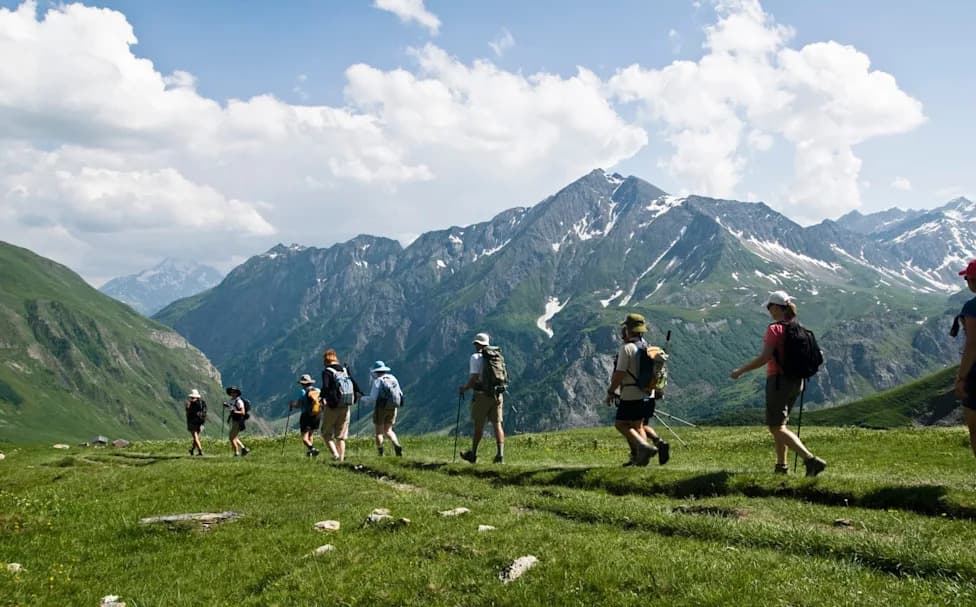
Malaysia is tightening hiking regulations after a rise in rescues linked to social-media-driven trends. The NRES will require guides at 189 high-risk sites and introduce pre-climb screening that includes health declarations, medical-history checks and proof of insurance. Authorities warn against "compressed hikes" and "express hikers" who cut corners for content, citing safety concerns and costly SAR operations. Local guides say shortened schedules reduce margins for error and require more detailed planning.
Malaysia Tightens Hiking Rules After Spike in Rescues Linked to Social Media Trends
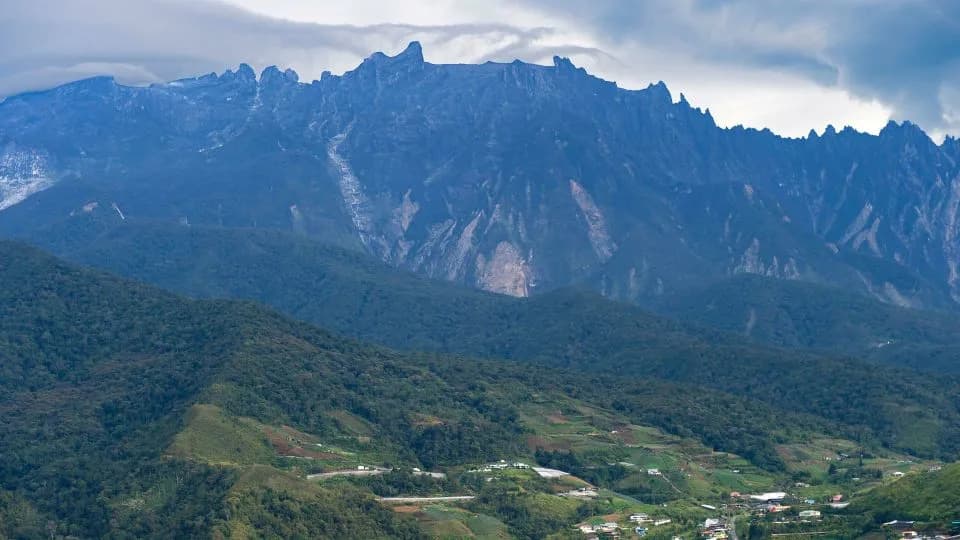
Borneo's Mount Kinabalu, the highest mountain in Malaysia, is popular with hikers. - Gunter Fischer/Education Images/Universal Images Group/Getty Images
Malaysia has introduced stricter hiking regulations after a rise in search-and-rescue operations tied to social-media-driven hiking trends. The Ministry of Natural Resources and Environmental Sustainability (NRES) says the new rules aim to reduce accidents and the high cost of rescue missions by identifying high-risk hikers before they set out.
Key measures include mandatory guides at 189 designated high-risk locations nationwide and a pre-climb screening process requiring health declarations, medical-history checks and proof of insurance for certain routes, Bernama reported.
Why the change?
Hiking is growing in popularity across Malaysia despite the country’s extensive tropical forests—roughly half of Malaysia’s land area—where high heat, humidity and dense vegetation can make rescues difficult and disorientation common for those who stray from marked trails.
Notable treks range from the 4,095-meter (13,435-foot) Mount Kinabalu in Borneo to multi-day jungle expeditions at Gunung Tahan, which includes Mount Tahan, the highest point in peninsular Malaysia at 2,187 meters (7,175 feet). There are also shorter, city-accessible hikes such as Penang Hill in George Town and the KL Forest Eco Park in Kuala Lumpur that draw recreational visitors.
Officials’ perspective
“The government's priority is to reduce the risk of hikers getting lost and prevent accidents, thereby minimizing the need for SAR operations, which require substantial financial resources and manpower,”
— NRES Deputy Minister Syed Ibrahim Syed Noh, as quoted by Bernama.
Noh added that screening allows authorities to flag high-risk climbers early and intervene before incidents occur, helping to prevent extreme fatigue, disorientation and other emergencies.
Trends fueling danger
Authorities and guides have flagged two trends that increase risk: so-called "compressed hikes," where a route is attempted in a fraction of the usual time, and "express hikers" who rush to bag peaks and sometimes carry minimal gear to create an image for social media.
“The compressed or short-duration hiking trend … requires much more meticulous planning because the travel period is shortened to about one-third of the original schedule,”
— Perak forestry mountain guide Muzafar Mohamad.
Perak’s forestry and wildlife departments have moved to restrict compressed-hike activities in high-risk areas after a 34-year-old hiker died in the state last year. Experts warn that reduced schedules shrink the margin for error and demand more detailed logistical planning, fitness and risk management.
Practical advice for hikers
Officials and experienced guides recommend: plan conservatively, carry adequate water and safety gear, follow marked trails, hire authorized guides where required, and obtain insurance that covers SAR and medical evacuation. Hikers producing content for social media are urged not to sacrifice safety for footage.
CNN has contacted Malaysia's Ministry of Natural Resources and Environmental Sustainability and the Department of Wildlife and National Parks for comment.
Help us improve.