
The Senate Appropriations Committee unveiled a bipartisan continuing resolution that would fund the government through Dec. 11, giving Congress about 10 extra weeks to complete the 12 appropriations bills for FY2027. Senate leaders from both parties praised the stopgap for averting a shutdown and protecting programs such as WIC. The full Senate will hold a procedural vote Monday; if approved, the House must pass identical language before it can reach President Trump. The move comes amid disputes over the administration's request for a large defense increase and cuts to non-defense spending.
Senate Appropriators Strike Bipartisan Stopgap To Avert Shutdown — Funding Extended To Dec. 11
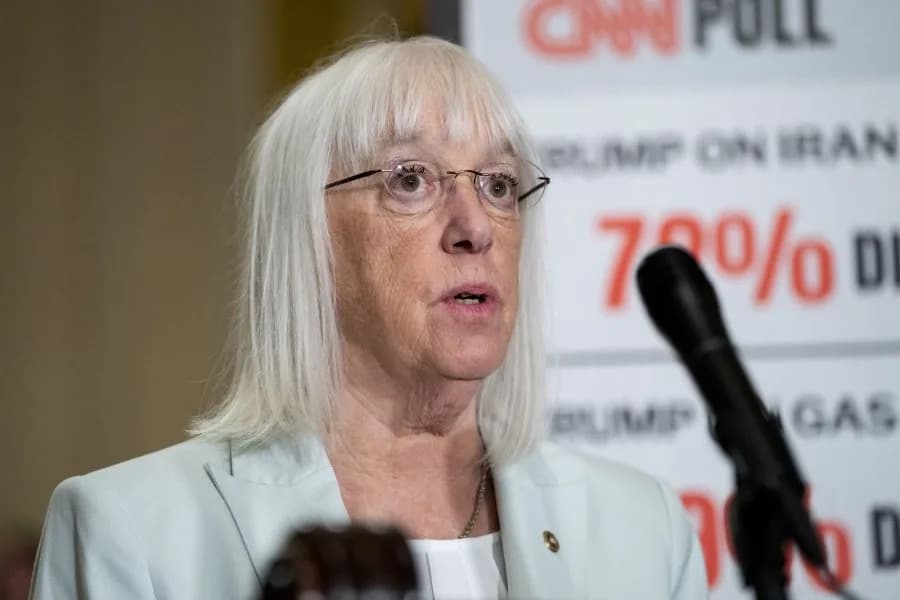
Sen. Patty Murray, D-Wash., announced Sunday that the Appropriations Committee has agreed on a continuing resolution to prevent a government shutdown. File Photo by Bonnie Cash/UPI
Senators on the Senate Appropriations Committee announced a bipartisan continuing resolution on Sunday designed to prevent a federal government shutdown at the end of September. The measure would extend government funding through Dec. 11, giving lawmakers roughly 10 additional weeks to finish and pass the 12 regular appropriations bills for fiscal year 2027.
The committee's proposal was unveiled after bipartisan talks produced language intended to keep agencies funded while negotiations continue on final spending levels and policy provisions.
"It's good that we were able to produce a much-improved CR to keep the government funded and avert a shutdown that no one wants,"
Sen. Patty Murray (D-Wash.), the committee's vice chair, said in a statement that the bill "blocks a corrupt policy that would allow Trump to hold even more federal grants hostage" and "closes House Republicans' loophole to pull funding for other agencies to give Border Patrol."
Sen. Susan Collins (R-Maine), the committee chair, described the continuing resolution as "straightforward," adding that it includes "necessary adjustments" for programs such as the Special Supplemental Nutrition Program for Women, Infants and Children (WIC).
"This measure gives Congress the time we need to continue our work on bipartisan appropriations bills, which are always my strong preference for handling annual government funding,"
The full Senate is scheduled to hold a procedural vote Monday evening on whether to begin consideration of the legislative vehicle for the continuing resolution. If the Senate approves the measure, it would return to the House, which must pass the identical text before the bill can be sent to President Donald Trump for signature. The House passed its version of the bill last month.
The government is currently funded through Sept. 30. Unless Congress or the president enacts additional funding by that date, agencies without appropriations would face a lapse and some federal operations would shut down, affecting services and federal employees.
Lawmakers continue to debate priorities and policy riders while negotiating the 12 annual appropriations bills. The Trump administration has requested a 44% increase in national defense spending alongside a proposal to cut base non-defense discretionary spending by about 10%. Those priorities, together with proposals for enhanced immigration enforcement, have drawn strong opposition from Democrats, complicating bipartisan consensus.
"For months, Democrats have been clear: we want to fund the government, avoid a shutdown and pass strong bipartisan appropriations bills that improve people's lives. The CR released today is a responsible path forward that allows continued bipartisan negotiations on a budget that delivers for American families,"
Senate Minority Leader Chuck Schumer (D-N.Y.) said in a social media statement that Democrats remain committed to negotiations that fund government services and oppose what he described as the administration's "wasteful, corrupt agenda."
There have been multiple government funding disruptions since President Trump returned to office: two partial shutdowns (one lasting 76 days), one full 43-day shutdown, and, overall, five shutdowns lasting more than a day during his time in office. The continuing resolution aims to head off another lapse while Congress finishes its appropriations work.
Help us improve.





















