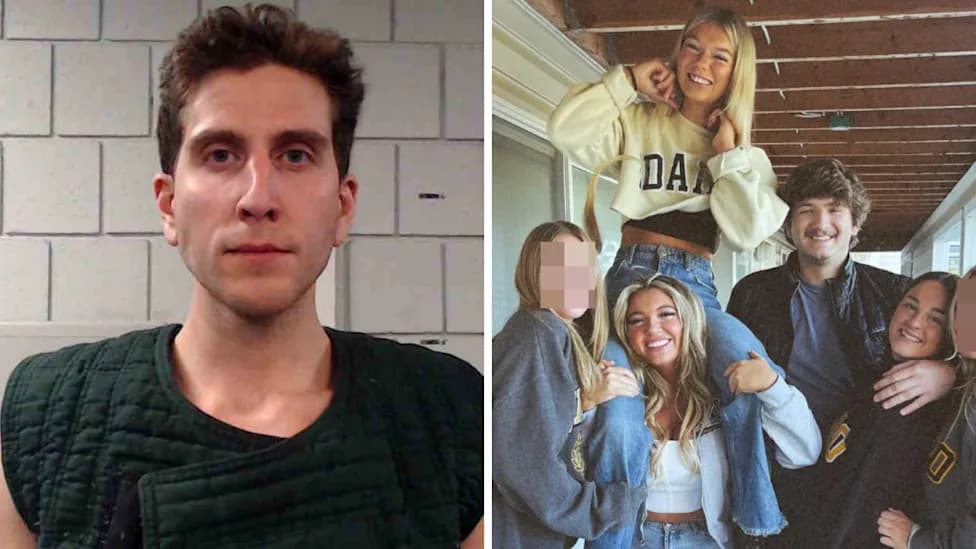
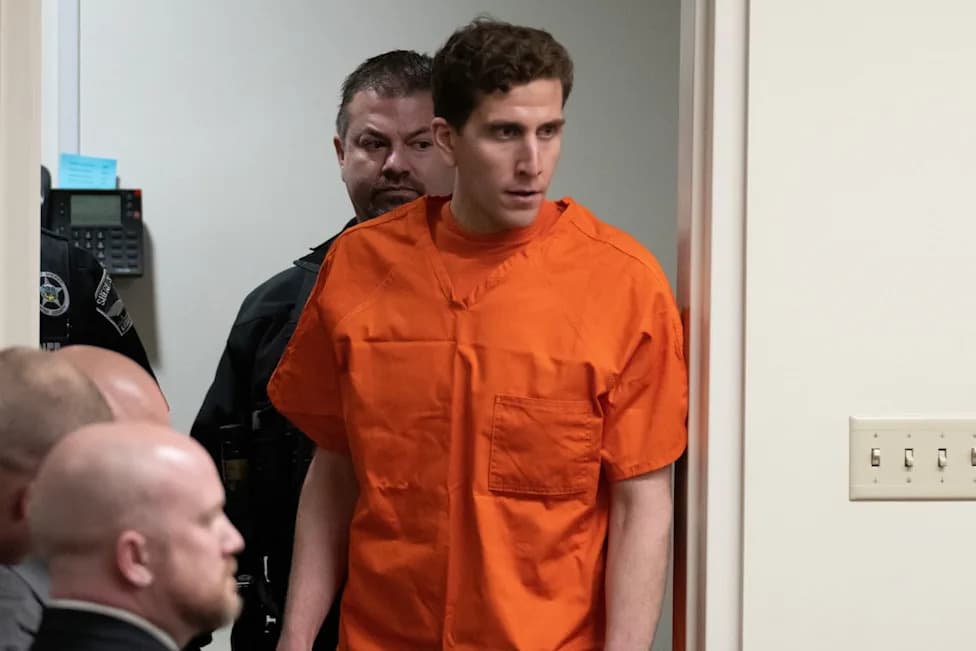
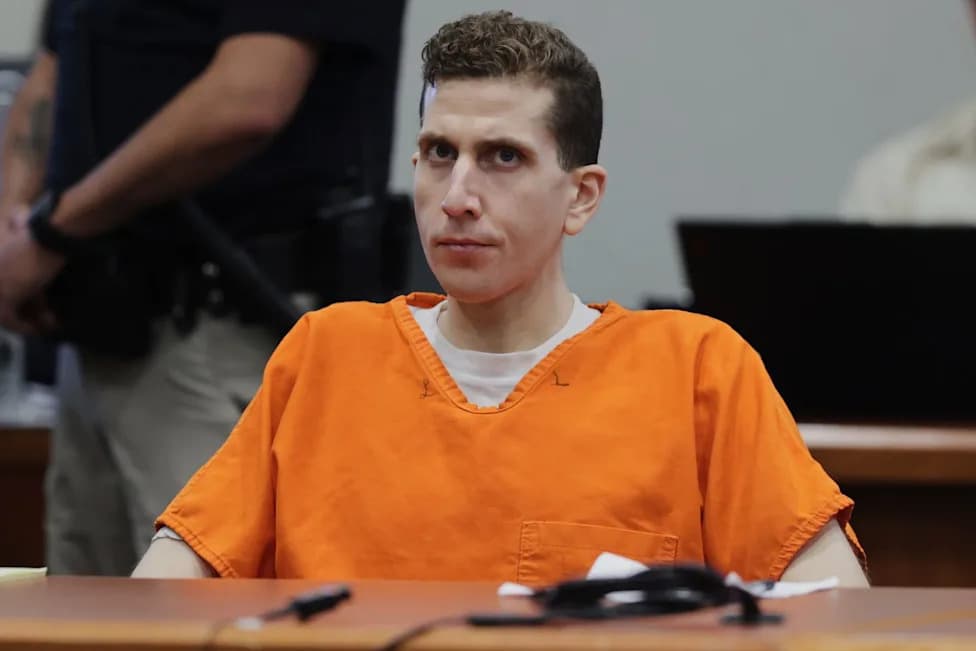
The director of Netflix's The Idaho Murders: College Nightmare says Bryan Kohberger may have chosen the Moscow house because most of its residents were women. The July 29, 2025, series compiles classmates' accounts, police interview footage and other circumstantial evidence suggesting Kohberger had a history of troubling behavior toward women. Kohberger pleaded guilty in July 2025 to the murders and received four consecutive life terms; he has since petitioned to withdraw his plea and maintains his innocence. The documentary stresses that the theory of gender‑based targeting remains speculative.
Netflix Director Says Kohberger May Have Targeted House Because It Housed Mostly Women
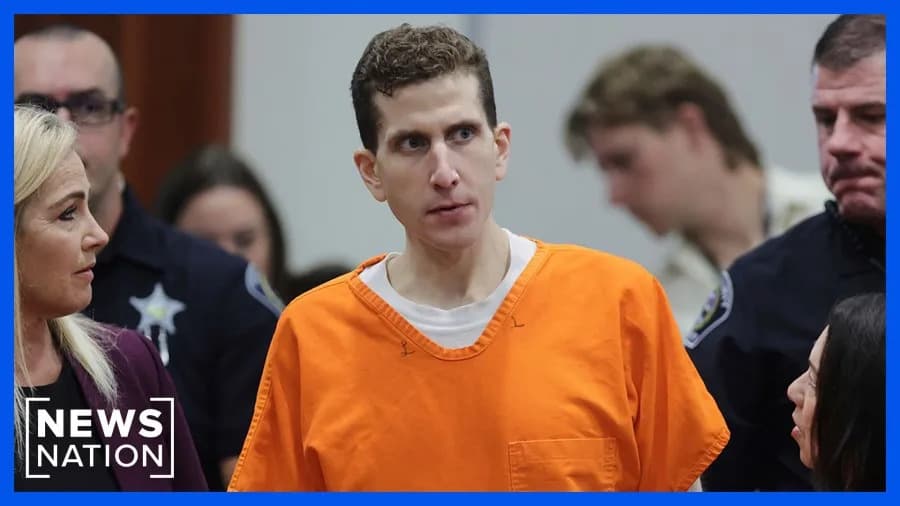
Skye Borgman, director of the Netflix documentary series The Idaho Murders: College Nightmare, told Fox News Digital he believes Bryan Kohberger selected the off‑campus house where four University of Idaho students were killed because it was largely occupied by women.
What the Docuseries Presents
The November 13, 2022, attack left Kaylee Goncalves (21), Madison Mogen (21), Xana Kernodle (20) and Ethan Chapin (20) dead. Chapin had been sleeping over at Kernodle's home that night. Two other roommates, Bethany Funke and Dylan Mortensen, survived by barricading themselves in a bedroom.
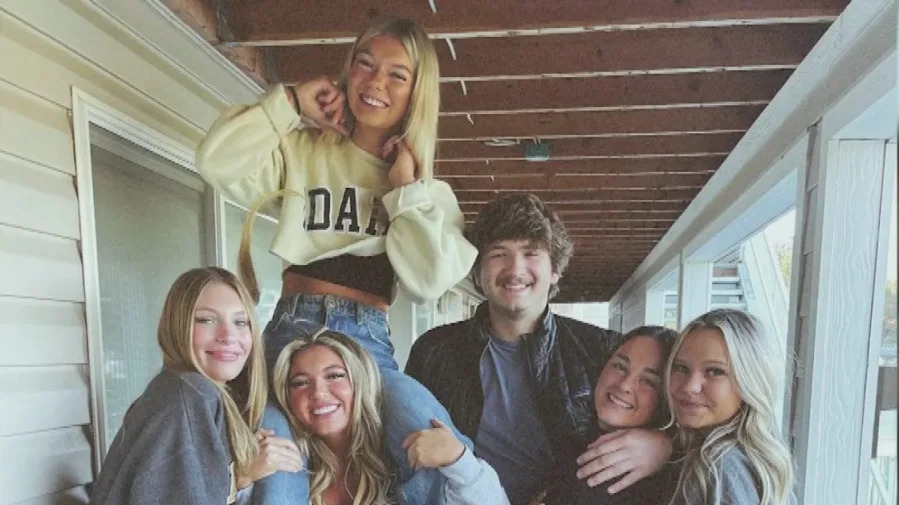
Kaylee Goncalves, Madison Mogen, Xana Kernodle and Ethan Chapin were stabbed to death by Bryan Kohberger on November 13, 2022. Roommates Bethany Funke and Dylan Mortensen survived by locking themselves in a bedroom.
“This was a house that had five women living in it,” Borgman said. “The night that the murders happened, Xana Kernodle's boyfriend, Ethan Chapin, was over, but really, this was a house full of women, and it seems quite clear that he targeted it.”
Evidence and Interviews
The series, which premiered on July 29, 2025, compiles interviews with former classmates and acquaintances of Kohberger from Washington State University, where he had been a criminology Ph.D. student and a teaching assistant. Several people described him as unpleasant or condescending toward women. One student reported to campus police that she believed Kohberger followed her to her car; Kohberger later lost his TA position after a complaint.
Docuseries footage also includes Moscow Police interviews in which Goncalves told a roommate she had seen someone “staring at her” while walking her dog in the months before the killings. Director Borgman asserts Kohberger had been observed near the house in the days, weeks and months leading up to the attack — a pattern the film argues is consistent with targeted surveillance.
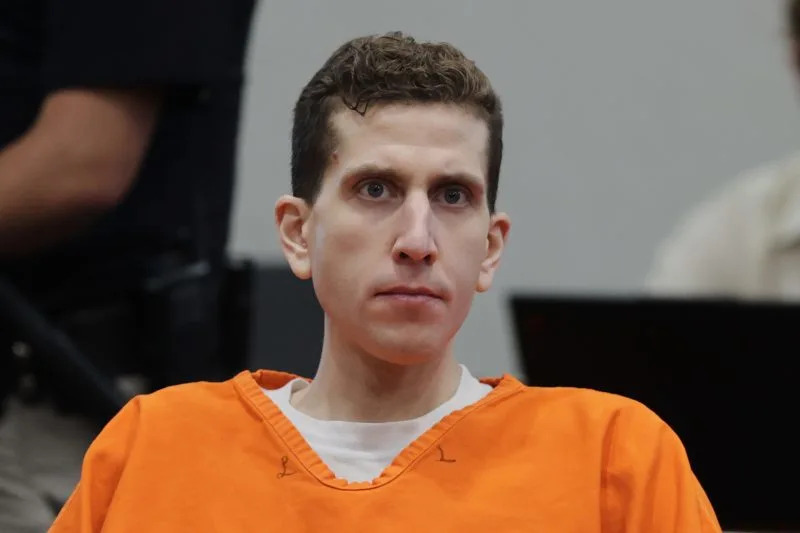
Wednesday, July 23, 2025, in Boise, Idaho, for brutally stabbing four University of Idaho students to death nearly three years ago. (AP Photo/Kyle Green, Pool)
Incel Connection and Motive
The series explores whether Kohberger had ties to the so‑called incel movement — an online subculture whose members express hostility toward women and often blame women for their romantic frustrations. Borgman emphasizes that linking Kohberger to incel ideology remains speculative, but she says his behavior and past interactions with women warrant scrutiny when considering motive.
Legal Status
In July 2025, Kohberger pleaded guilty to the killings and received four consecutive life terms, thereby avoiding the death penalty. Because the plea was entered weeks before a scheduled trial, prosecutors did not present a formal motive in court. From prison, Kohberger has filed a petition to withdraw his guilty plea and told The New York Times he maintains his innocence, saying that "a lot went wrong in those plea discussions" and that he did not intend to confess.
Context and Caution
While the documentary raises a plausible theory that gender animus influenced Kohberger's choice of target, the director and producers repeatedly describe their conclusions as conjectural rather than proven. The series presents testimony, police interview footage and circumstantial patterns for viewers to weigh as they consider whether motive played a role.
Help us improve.