Vladimir Putin publicly praised Russia’s Airborne Forces while the country recorded its deadliest month of the war, with the Ukrainian General Staff reporting 42,860 Russian casualties in July. Ukrainian drone strikes killed at least eight people and hit a Wildberries warehouse that burned in Novosemeykino; a Moscow restaurant blast killed at least three. The Financial Times estimates Russia’s oil and gas capacity is down 35–40%, intensifying economic pain as domestic frustration grows.
Putin Praises Airborne Forces as Russia Records Its Deadliest Month of the War
Contributor / Getty Images
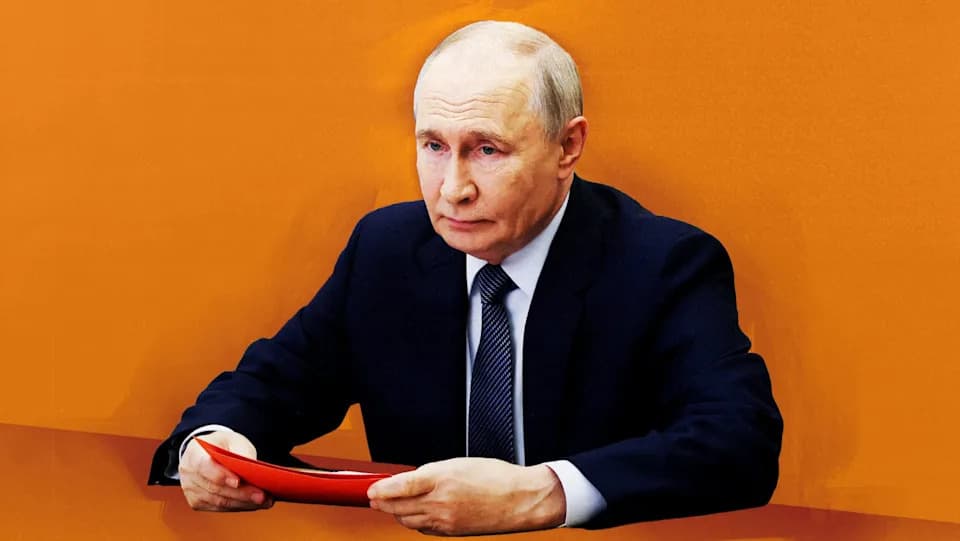
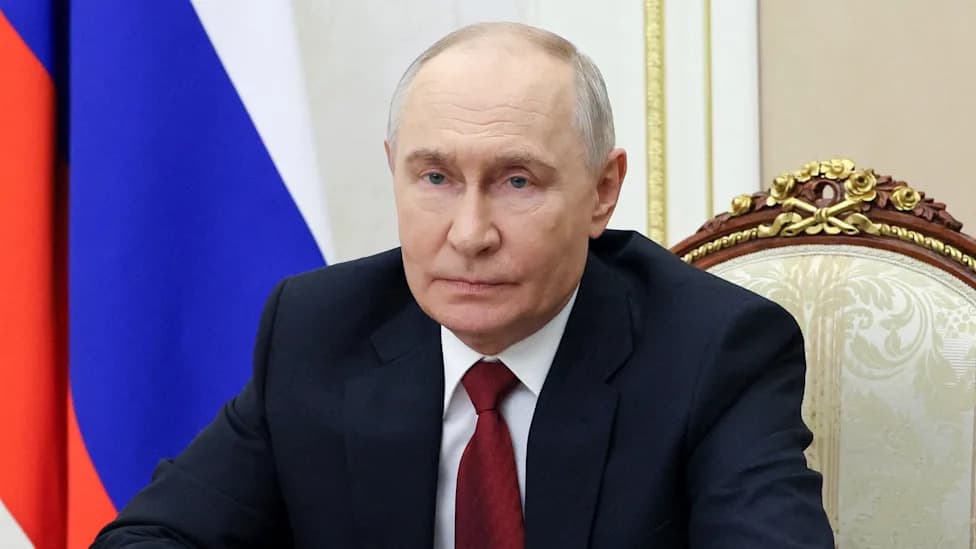
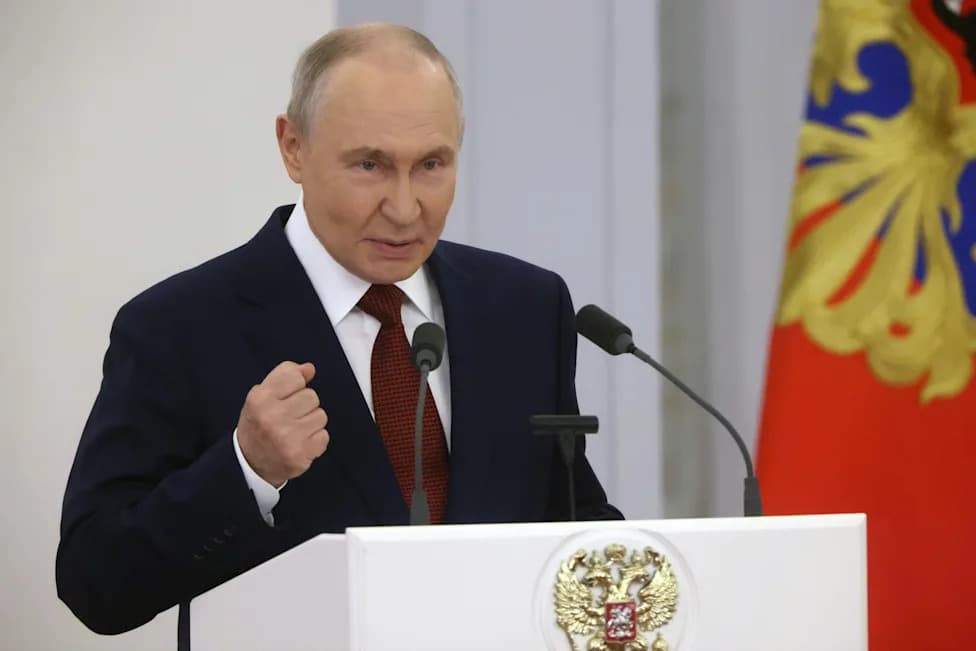
Vladimir Putin publicly lauded current and former members of Russia’s Airborne Forces on their professional holiday, even as grim battlefield and domestic developments painted a starkly different picture.
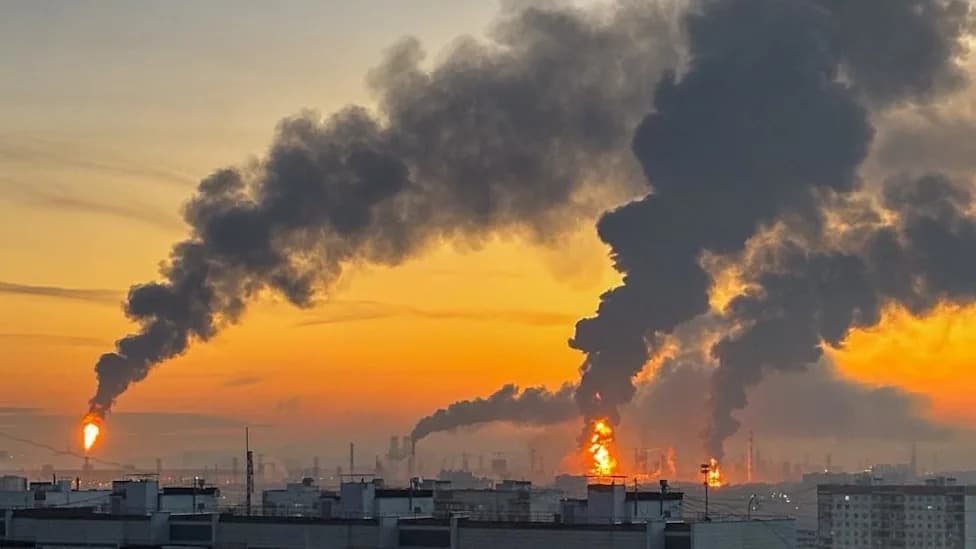
A Moscow oil refinery burns. / - / AFP via Getty Images
Heavy Casualties and Strikes Inside Russia
According to the Ukrainian General Staff, Russian forces suffered an estimated 42,860 casualties in July — the highest monthly toll reported so far this year. That figure came as Ukraine continued drone operations that struck targets deep inside Russian territory.
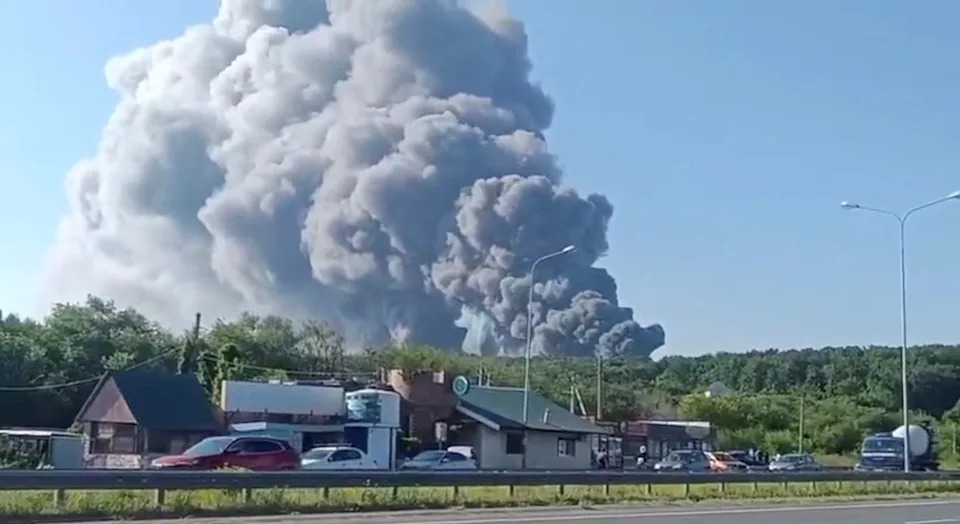
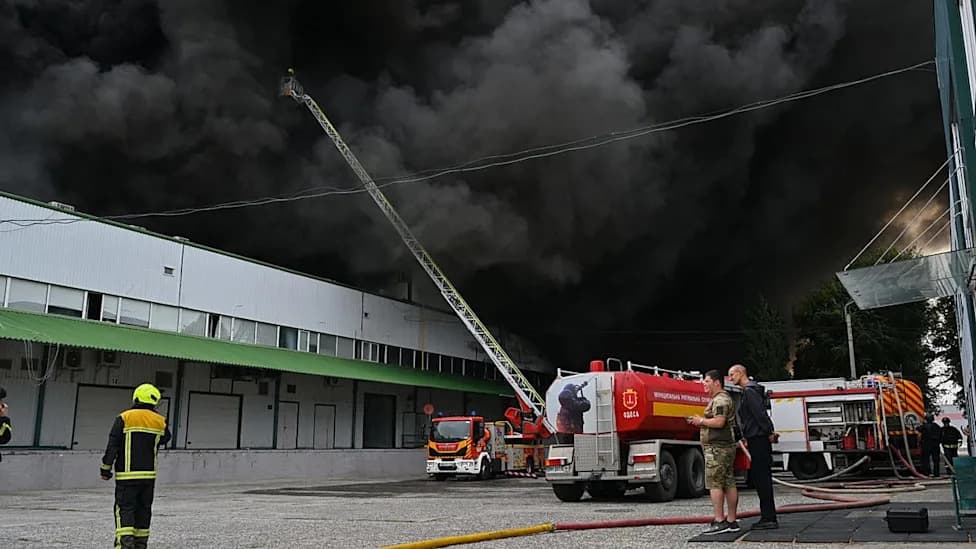
Smoke rises after a Ukrainian drone attack on a Wildberries warehouse, in Novosemeykino, Samara region, Russia, August 2, 2026, in this still image obtained from a video. / SOCIAL MEDIA / via REUTERS
On the same day as the airborne celebrations, Ukrainian drone strikes reportedly killed at least eight people across several Russian regions, Reuters said. Earlier that night, a blast tore through an upscale restaurant near the Kremlin, killing at least three and wounding more than a dozen; officials labelled the incident a terrorist attack, and some local reports suggested a senior Russian general may have been the intended target.
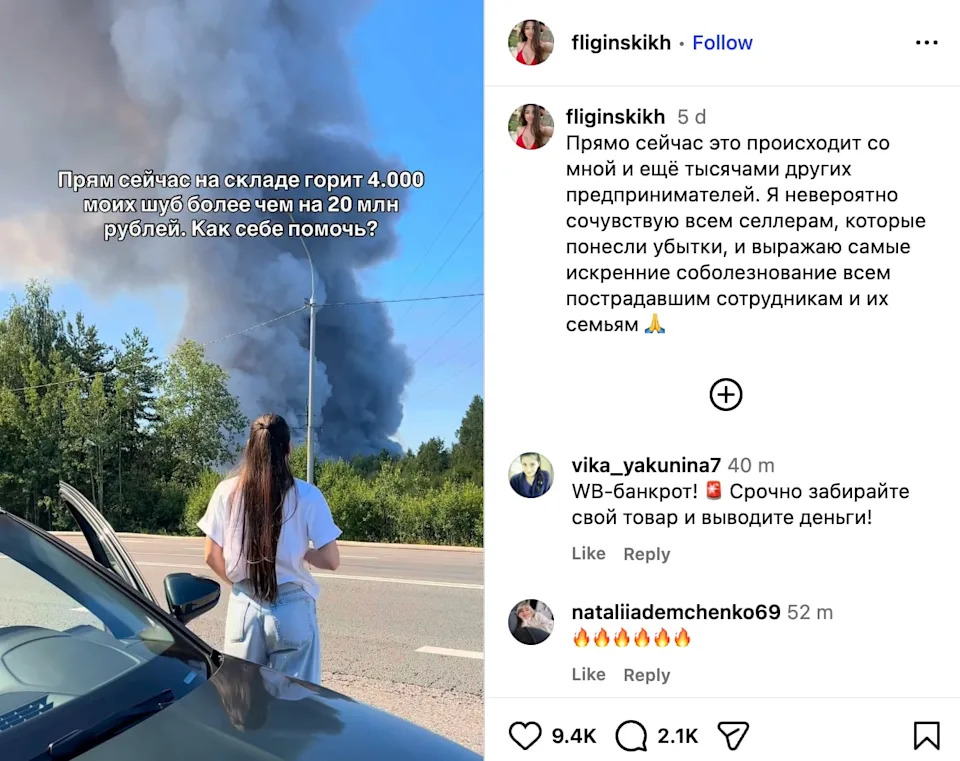
Many sellers have expressed their frustration online. / @fliginskikh/ Instagram
Commercial Targets and Civilian Impact
Overnight strikes also hit logistics hubs. A warehouse belonging to online retailer Wildberries in Novosemeykino (Samara region) was filmed fully engulfed in flames; locals were warned to watch for smoke-related health issues. Wildberries has been repeatedly targeted in recent weeks amid accusations it sold military supplies and drone parts on its platform. Business owners have reported financial losses — cosmetic entrepreneur Svetlana Dodosa said in an Instagram video that the attacks cost her roughly $12,800.
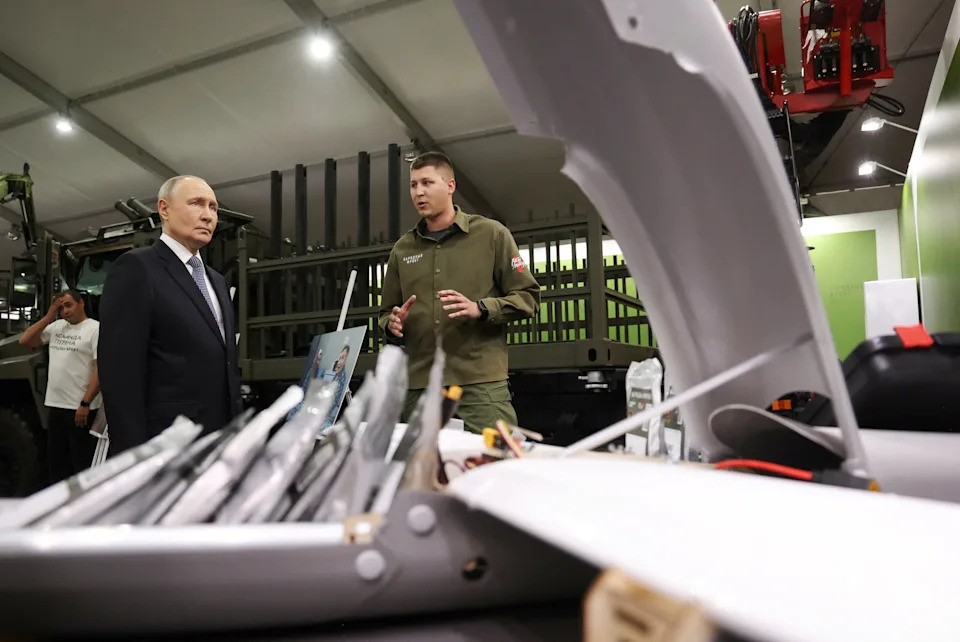
Russian President Vladimir Putin tours the exhibition
Economic and Energy Effects
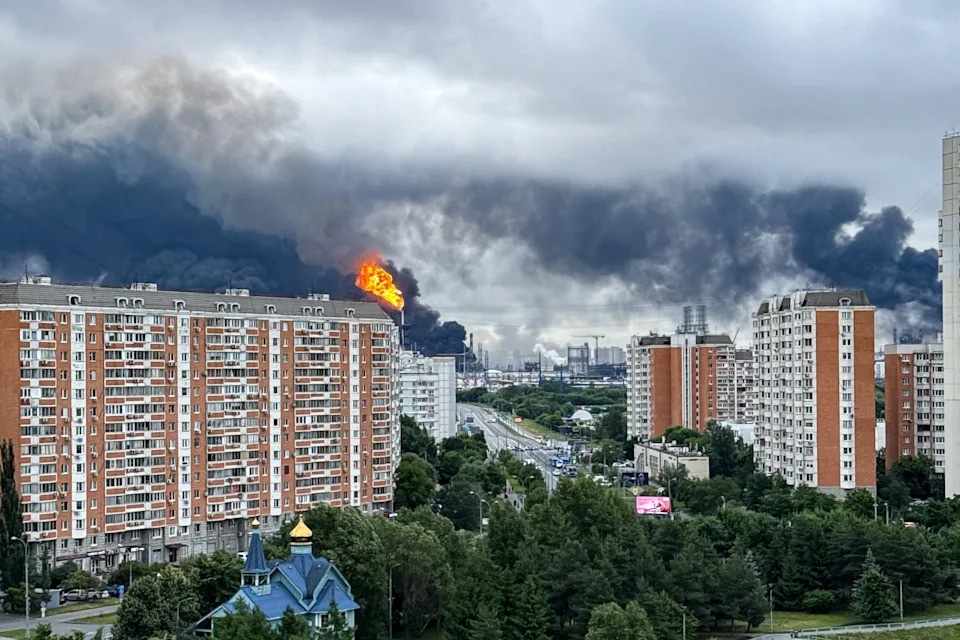
An analysis by the Financial Times said a sustained Ukrainian drone campaign has damaged critical oil and logistics infrastructure, reducing Russia’s oil and natural gas production capacity by an estimated 35–40%. The FT warns those losses are pushing Russia toward its most severe energy crisis since the Soviet era.
Domestic Politics and Public Reaction
Despite mounting casualties and domestic disruption, Putin has projected an image of control and has not publicly acknowledged the full scale of the losses. Authorities have reportedly tried to limit public exposure to the strikes and their aftermath, detaining some citizens who recorded damage and forcing apologies for filming.
The Kremlin’s internal dynamics have also come under strain. After authorities canceled the high-profile Navy Day parade — which had been expected to feature around 200 warships on the Neva River — officials replaced the event with a televised meeting, a move that reportedly fueled frustration inside the leadership. Critics say searches for scapegoats and concerns about loyalty in the inner circle have intensified.
Local Crises Beyond The Front Lines
In Siberia, residents of Tyumen told the independent outlet Meduza they were grappling with severely polluted water, falling ill, and avoiding basic hygiene for fear of contamination. One resident said most public financing had been redirected to the Kremlin’s military campaign, referred to by authorities as the "special military operation" (SVO).
Context: The juxtaposition of a celebratory military holiday and sharp increases in casualties, strikes on infrastructure and commercial targets, and mounting domestic complaints highlights growing strains across Russia — militarily, economically and politically.
Help us improve.