President Trump threatened strikes on Iran but pulled back, citing allied pleas for diplomacy. Analysts say Iran and its proxies — notably the Houthis — are exploiting U.S. restraint to expand leverage, threaten maritime chokepoints and demonstrate weapons that can challenge U.S. defenses. With depleted interceptor stocks, tight oil inventories and U.S. political pressure ahead of midterms, Tehran appears to hold a temporary strategic edge while Gulf partners urge de‑escalation.
As Trump Pulls Back, Experts Say Iran Is Gaining A Strategic Edge
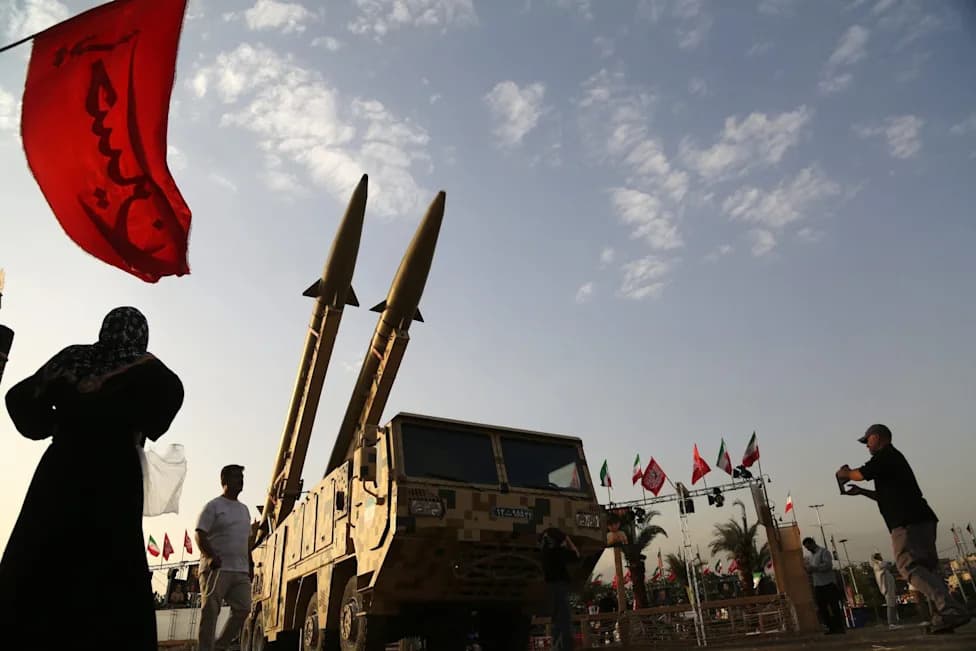
lfaghar and Qadr missiles displayed at Azadi Square in Tehran, Iran on July 24, 2026.
President Donald Trump once again threatened major military strikes against Iran, then reversed course — a pattern observers say Tehran is exploiting to improve its bargaining position.
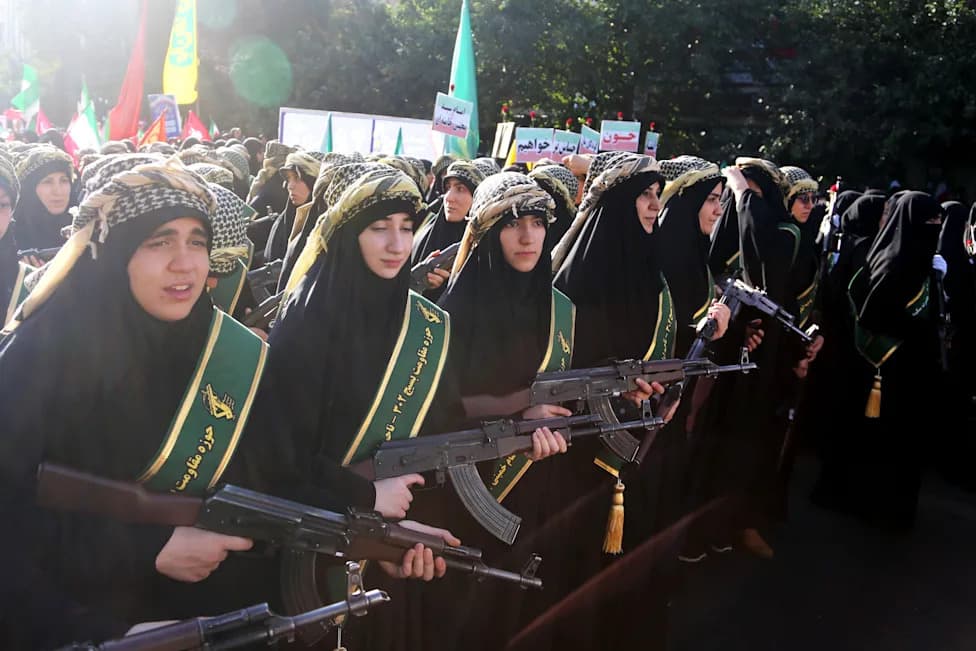
While Mr. Trump said allied appeals for renewed diplomacy influenced his decision, analysts warn that Iran and its network of proxies are using U.S. restraint to widen the conflict and increase pressure on Washington and its partners.
Proxy Pressure and Maritime Risk
Tehran has expanded the fight through allied groups across the region, most visibly the Houthi rebels, who have targeted commercial vessels in the Red Sea. Those attacks threaten shipping through the Bab el-Mandeb Strait, which some carriers use to bypass the Strait of Hormuz, raising the risk to global trade and energy supplies.
Warnings to Gulf States and New Capabilities
Iran has warned Gulf neighbors they could be targeted if the United States resumes heavy bombardment. Tehran has also demonstrated longer-range weapons that, according to analysts, can sometimes evade U.S. air defenses — a development that complicates regional deterrence calculations.
"Iran and its clients see blood in the water and see a benefit for all of them in escalating and entering the fray," said Afshon Ostovar, an Iran expert at the Naval Postgraduate School, in the Financial Times. He added that Tehran’s strategy appears designed to prolong the confrontation until political will on the other side weakens.
Political Calculus In Washington
Domestically, Mr. Trump’s approval ratings on his handling of the conflict have slipped, and support has declined even among Republicans. With midterm elections approaching and gasoline prices rising, Tehran perceives an opportunity to press its advantage by exploiting U.S. political vulnerabilities.
An Iranian diplomat told The Wall Street Journal the regime would consider preemptive operations if negotiations fail. Last week, Iran launched attacks on U.S. bases that U.S. Central Command called an "attempted surprise attack," underscoring Tehran’s willingness to take provocative actions.
Military Constraints And Economic Pressure
The U.S. retains significant forces in the region and continues to restrict Iranian maritime activity, actions that impose economic costs on Tehran. At the same time, the United States and its allies have substantially reduced interceptor stockpiles used to defend against missile and drone strikes, leaving critical energy infrastructure more exposed.
Global oil inventories of crude and refined products are also sharply lower, and analysts warn supply buffers could be exhausted if Persian Gulf chokepoints remain disrupted.
"For now, Iran appears to hold the strategic advantage in deterrence," wrote Dennis Citrinowicz, a former Israeli intelligence official, noting that Tehran has fashioned a mutual-deterrence dynamic that is shaping Washington’s calculations.
Regional Diplomacy And The Risk Of Escalation
According to Axios, Saudi Crown Prince Mohammed bin Salman urged Mr. Trump to step back from plans for large-scale strikes, and Saudi defense officials conveyed similar concerns — reflecting Gulf states' worry that expanded U.S. action could trigger broader regional war.
Washington’s hesitation, analysts say, reflects recognition of the risks of escalation and uncertainty that a larger campaign would compel Iran to stand down. For now, the combined military, political and economic pressures have tilted the strategic balance in Tehran’s favor — a fragile advantage that could change rapidly if either side alters its approach.
Help us improve.