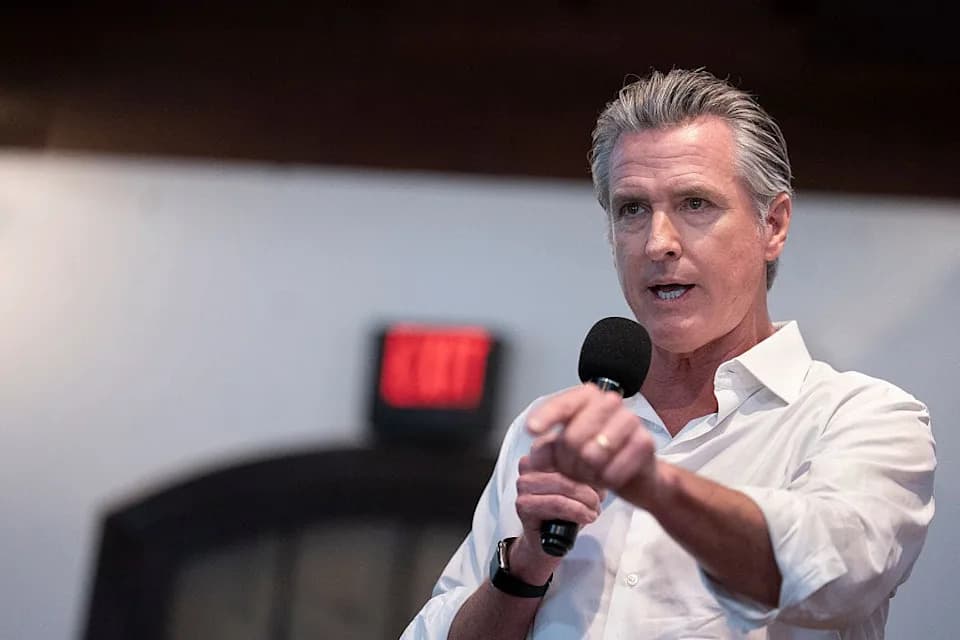
California has passed a law expanding the Missing Persons DNA Program so state DNA resources can be used to identify both living and deceased unidentified individuals. The change, signed by Governor Gavin Newsom in mid-July, also allows relatives' DNA samples to be retained longer when there is a possibility of additional familial remains. Supporters, including Attorney General Rob Bonta and Assemblymember James Ramos, say the reforms will speed investigations, remove collection hurdles and reduce the emotional uncertainty for families.
New California Law Expands Missing Persons DNA Program To Identify Living And Deceased Unidentified Individuals
A new California law signed in mid-July expands how the state's Missing Persons DNA Program may be used, allowing authorities to seek DNA matches for both unidentified deceased remains and unidentified living people. Supporters say the change will help law enforcement tackle long-standing cold cases and ease the emotional toll on families waiting for answers.
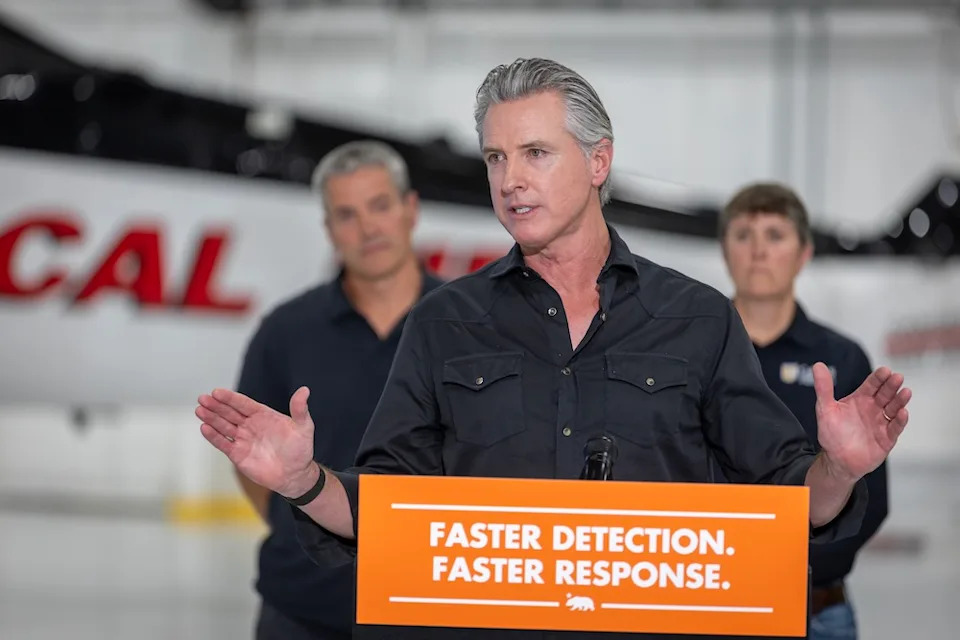
Governor Gavin Newsom at McClellan Air Park on July 21. Governor Gavin Newsom
What The Law Does
Previously, DNA entered into the state’s Missing Persons DNA Program was restricted to identifying deceased individuals. The revised policy permits the database to be used to identify any unidentified person—alive or deceased—and loosens certain procedural prerequisites for submitting samples. In addition, DNA collected from relatives of missing people may now be retained longer when there is a reasonable possibility that additional familial remains could later be found.

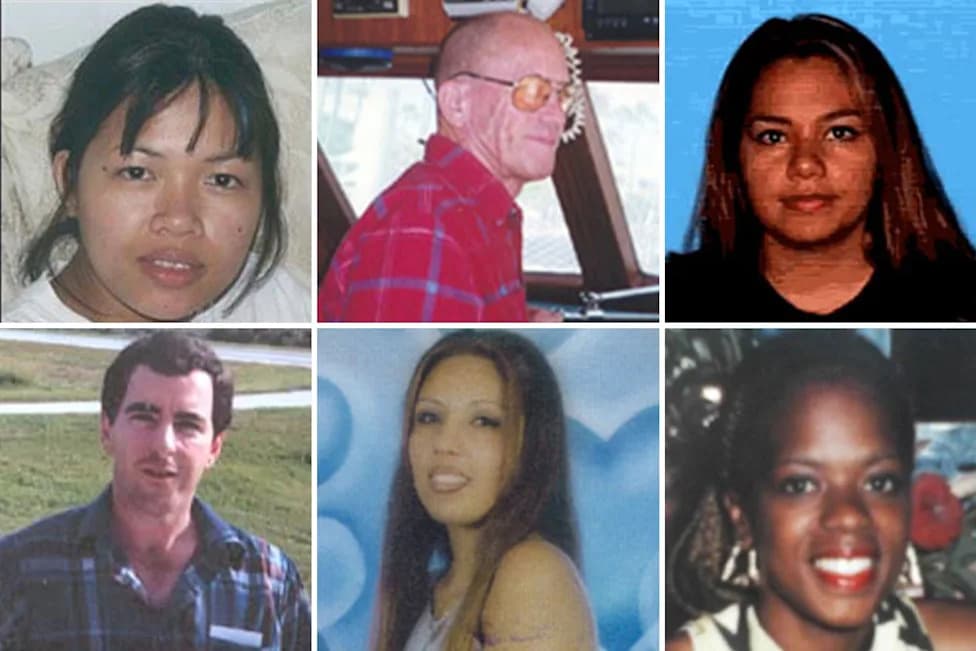
Rebecca Arellanosa has been missing since May 5, 2001. LAPD
Officials, Advocates And Local Examples
The program provides DNA support to coroners, medical examiners and law enforcement agencies across California, according to the office of Attorney General Rob Bonta. Asked about the change, Bonta said the state is acting to shorten prolonged uncertainty for families:
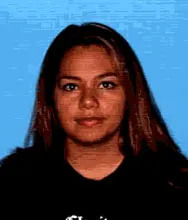
Frances Flores has been missing from the Van Nuys area since 2008. LAPD
"No family should know the prolonged uncertainty of waiting for answers, and together we're making it clear that California takes action."
Assemblymember James Ramos (D–San Bernardino), who authored the legislation, said the reform removes barriers to DNA collection and streamlines investigators’ access to state testing resources, improving both efficiency and the chance for resolution. Ramos emphasized the human impact of the change: reducing emotional burdens on families as well as procedural burdens on local agencies.
Cold-Case Efforts And Real-World Impact
Advocates and investigators say the change could accelerate work on cases that have remained unsolved for years. Two long-running examples cited by local officials are Rebecca Arellanosa, missing since May 5, 2001, and Frances Flores, missing from Van Nuys since 2008. In Northern California, the Calaveras Cold Case Task Force, formed in 2020 and composed of local law enforcement and forensic scientists, already uses advanced DNA analysis to re-examine cold investigations—an approach that could benefit from broader state-level DNA matching and longer evidence retention.
Governor Gavin Newsom signed the measure in mid-July; he was pictured at McClellan Air Park on July 21. State and local officials say the expanded program and extended DNA retention could meaningfully aid efforts to identify both unidentified remains and living people who remain missing.
What To Expect Next: Agencies will adapt procedures to the new rules, and families, advocates and investigators may petition to re-open or advance previously stalled cases using the expanded database access and longer sample retention.
Help us improve.