Arthur Brun, a Kauai County Council member, led a secret meth-trafficking operation while serving as a visible community leader. A 2018–2019 federal investigation using wiretaps, surveillance and raids uncovered shipments and local distribution networks. Brun was arrested after a short October 2019 car chase, pleaded guilty, and was ultimately sentenced to 20 years in federal prison. The case exposed Kauai’s persistent meth epidemic and prompted a conflicted community response of anger, sadness and calls for better public-health solutions.
Kauai Councilman’s Double Life: Arthur Brun’s Meth Ring, Arrest and 20-Year Sentence
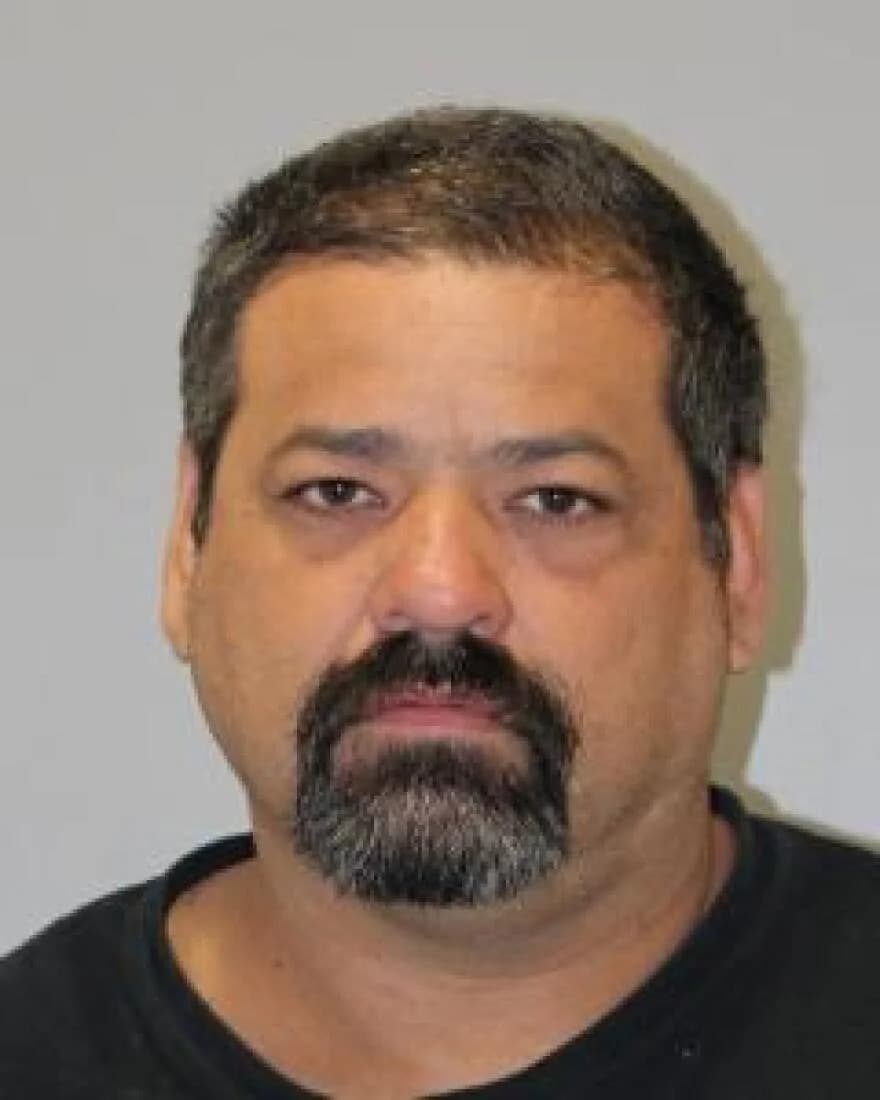
Brun's October 2019 booking photo
Arthur Brun was pulling off Kaumualii Highway when flashing lights appeared in his rearview mirror. A Walmart bag containing roughly a pound of methamphetamine rested on the passenger seat of his Honda as he steered toward the Lihue post office — across from the palm-lined lawn of the Kauai County Council building where he worked most Wednesdays and had a meeting scheduled that day.
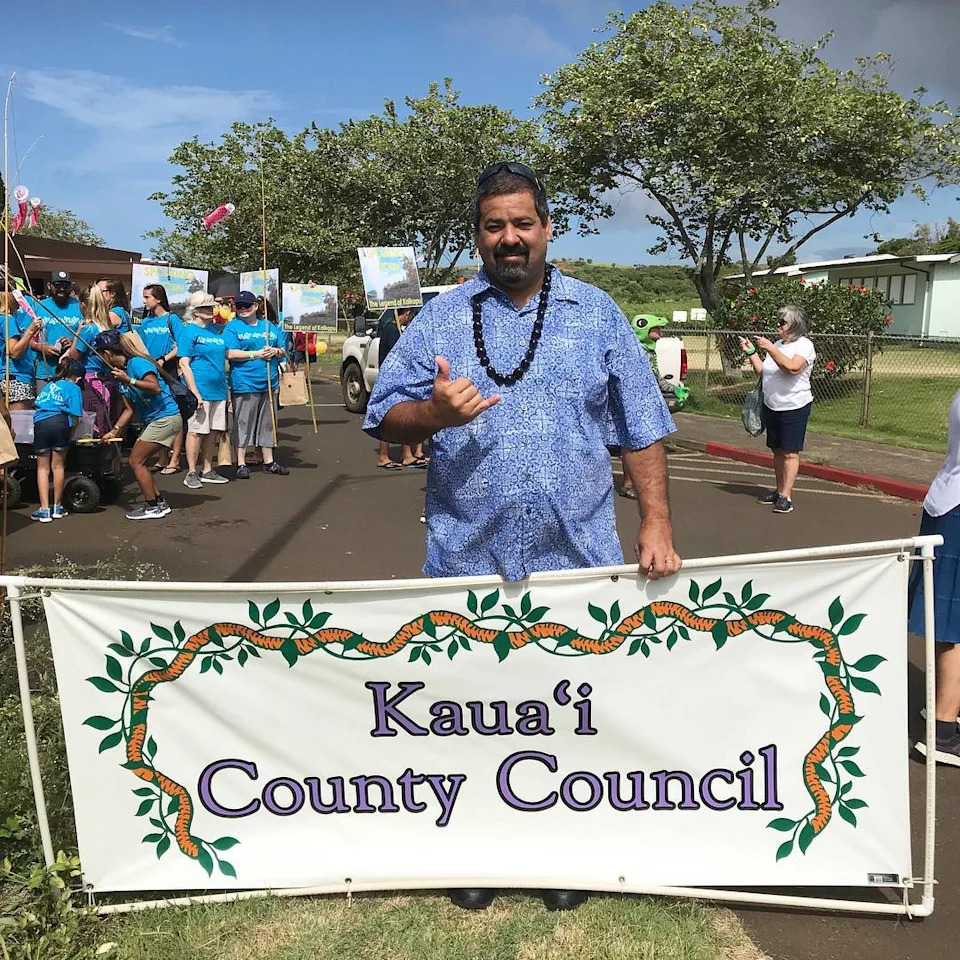
Brun won a spot on the County Council in 2016.
The Chase
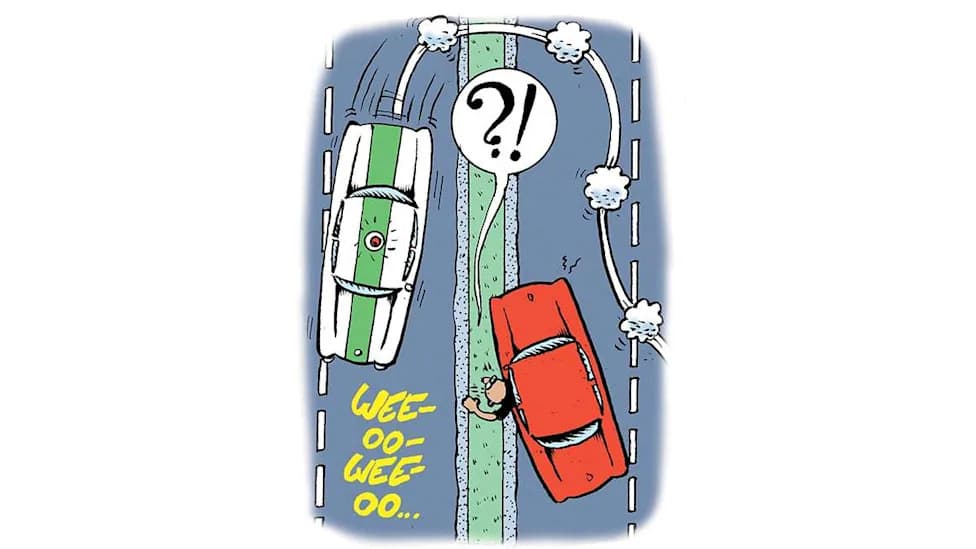
A familiar officer, Lieutenant James Miller, approached the car and cited a window-tint violation. As Miller scanned the interior and a police dog alerted, Brun resisted the stop. When Miller reached for the keys, Brun accelerated, dragging the officer’s arm briefly through the open window before fleeing through Lihue and onto a dirt track toward Ahukini Pier, where he discarded the bag into roadside brush. The short pursuit ended in under 10 minutes; investigators later recovered the meth from the brush.
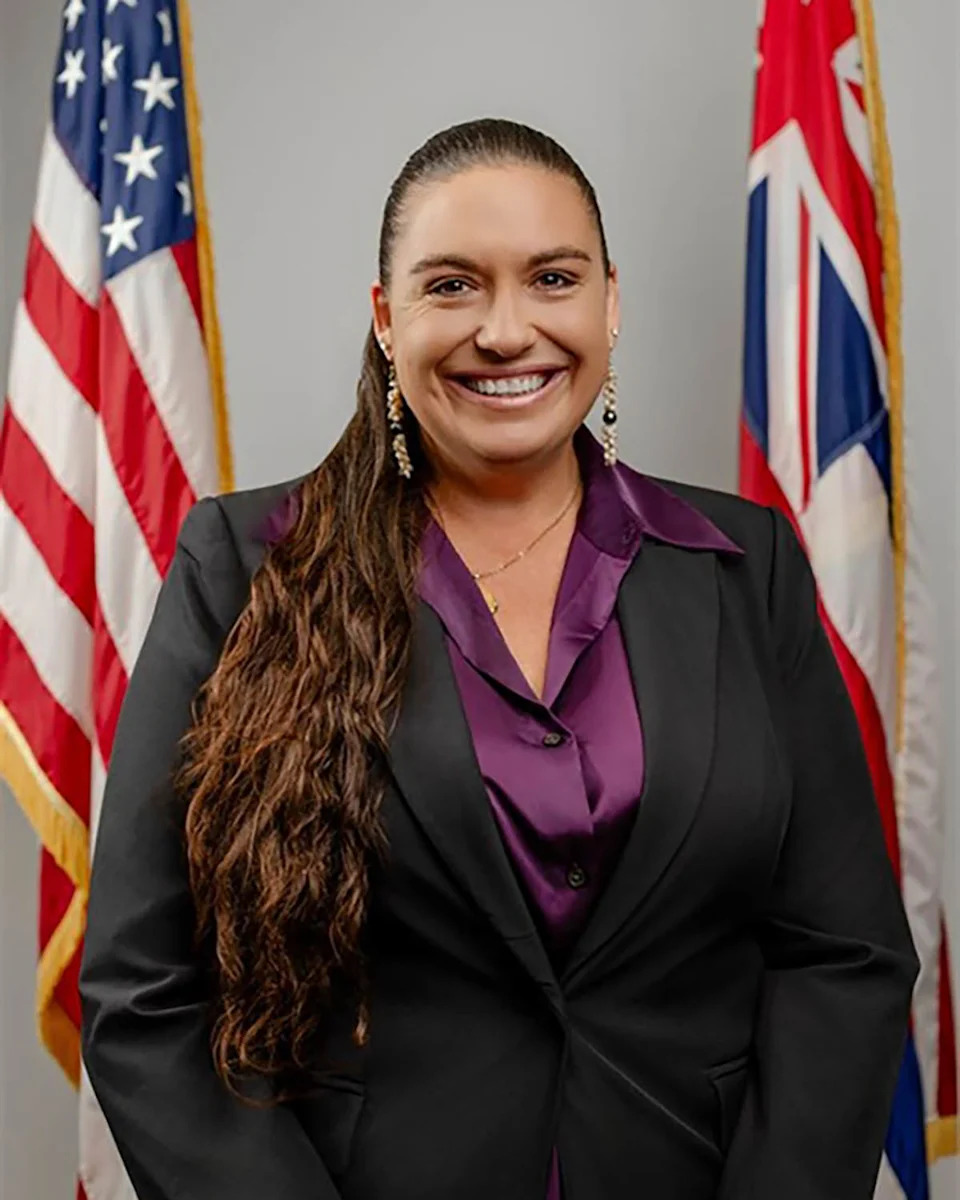
Fern Holland is an environmental consultant and firebrand activist who battled Brun during a fight to regulate pesticides on Kauai.
Two Lives: Community Figure and Drug Trafficker
For years Brun — nicknamed "Ata" — maintained two distinct identities. By day he was a community fixture: a Little League umpire, volunteer, Syngenta field coordinator, and a Kauai County Council member who championed local issues. By night he was implicated in the island’s largest meth-smuggling operation at the time, moving approximately one to two pounds of meth every few weeks through a network with mainland and local ties.
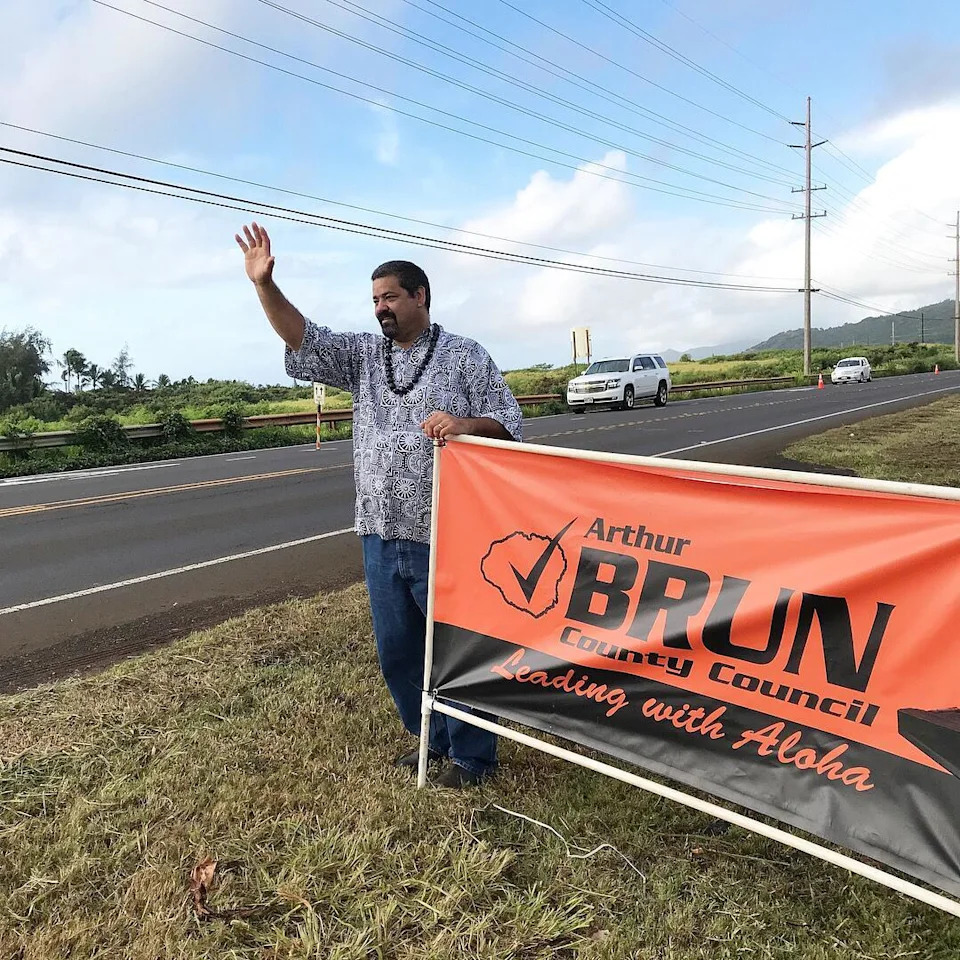
In addition to his work on the County Council, Brun also umpired Little League games.
Federal Investigation
Rumors on Kauai’s tight-knit "coconut wireless" prompted a federal-led investigation in late 2018. The operation, led by the ATF with help from Homeland Security, the FBI and local police, used wiretaps and 24/7 monitoring to document shipments, sales and conspiratorial conversations. Investigators found Brun’s network obtained shipments from the mainland and redistributed them locally; a pound could be purchased for roughly $7,000 and resold for about $20,000.

Orlando Manguchei in 2019
Co-Conspirators
Key associates charged with Brun included Maluelue Umu (linked to the United Samoan Organization prison gang), Steven Keliikuli (a local friend and former athlete), and Orlando "Ole" Manguchei (a tattooed local figure with a criminal history). Wiretaps captured Brun plotting to acquire weapons and discussing operations, while his role as vice chair of the council’s Public Safety Committee contributed to an aura of invulnerability among associates.
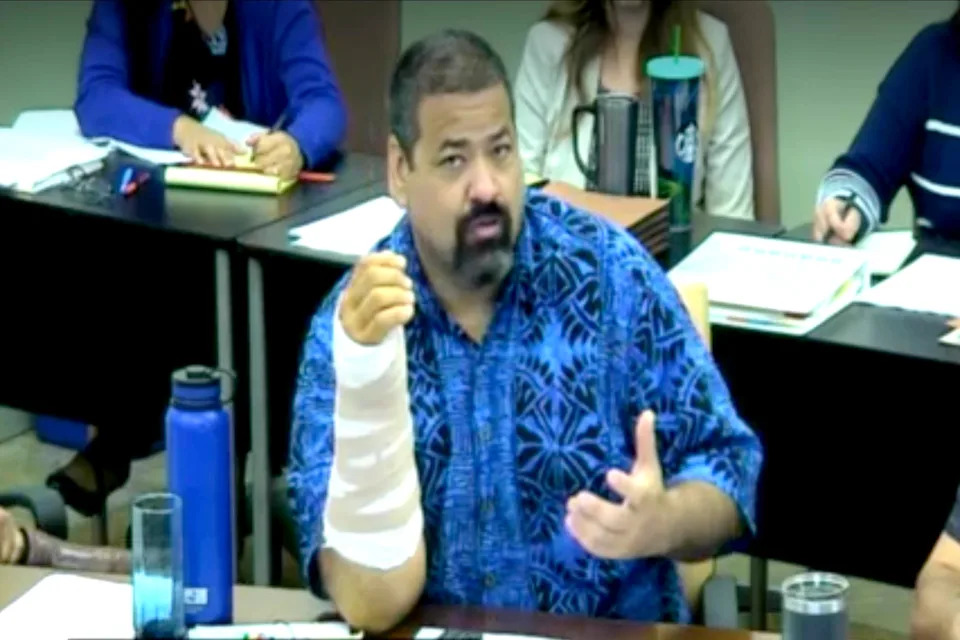
After Brun was booked for assaulting an officer and resisting arrest, he showed up to a council meeting with his arm in a sling.
Indictment, Plea And Sentence
After raids, seizures and the October 2019 arrest, Brun was indicted on multiple federal charges including running a drug-trafficking organization, illegal firearm acquisition and obstruction of justice. He entered a plea deal admitting responsibility; prosecutors recommended 15 years, but U.S. District Judge Derrick Watson rejected that recommendation and sentenced Brun to 20 years without parole. Several co-defendants received shorter federal sentences.
Aftermath And Community Response
The case exposed the depth of Kauai’s longstanding meth problem and highlighted broader social factors — economic strain after the decline of plantation jobs, high living costs, and limited recovery resources. Reaction on the island shifted from outrage to a complicated mix of sadness and sympathy: many residents viewed Brun as an addict who relapsed, while others described him as an arrogant trafficker who harmed his community.
"He did a really great job hiding it," said fellow council member Ross Kagawa. "Nobody had a clue."
Today Brun is serving his sentence at a federal facility off the mainland and has reportedly worked as a clerk while pursuing an appeal that stalled. Locals continue to debate accountability, addiction, and prevention — and worry that removing one supplier will not stem demand or end the island’s drug-related harms.
Help us improve.