The Chico Unified School District approved a $1.9 million contract for Verkada AI security cameras—reported to include facial recognition and license-plate reading—that were installed at 691 sites after passing on a Dec. 17, 2025 consent-calendar vote. The consent-calendar summary listed only cost and camera counts and omitted the user-agreement details describing the AI capabilities. Teachers and community members have pushed back over student privacy and biometric-data concerns; the district says it will review consent-calendar procedures to avoid a similar oversight.
Chico School Board Says It Unknowingly Approved $1.9M AI Camera Contract — Cameras Already Installed
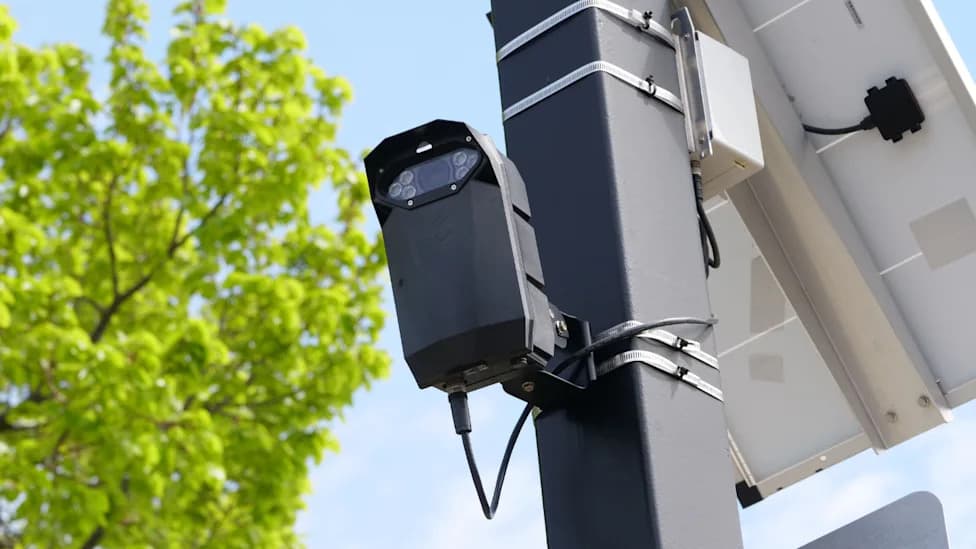
Image Credit: Pexels/Giant Asparagus
The Chico Unified School District board in California has acknowledged approving a $1.9 million contract for AI-powered security cameras without fully understanding the technology it authorized. The cameras, supplied by surveillance firm Verkada, include facial recognition, license-plate identification and text-based search capabilities and have reportedly been installed at 691 sites across the district.
How the Contract Passed
The board approved the purchase at a Dec. 17, 2025 meeting via the consent calendar, a bundled vote used to clear routine items in a single unanimous action. There was no discussion of the camera contract at the meeting, and members voted to approve the entire consent calendar without pulling the item for separate review.
What Was Omitted
Public records show the contract summary on the consent calendar listed only purchase costs and the number of cameras. It did not include the user agreement language that details the system’s AI capabilities, such as facial recognition and vehicle identification. Board members said they were not aware they were approving equipment with those features.
Community Reaction
The installations prompted organized opposition after they were revealed. In January, 14 Chico High School teachers signed a letter urging the board to reconsider deployment, saying parents, teachers, staff, students and the wider community were not consulted before introducing long-term biometric surveillance. Verkada states the cameras retain footage for 30 days.
One board member has publicly taken responsibility, saying the board "screwed this up."
Why This Matters
The episode feeds into a wider national debate about AI-driven surveillance in schools. Proponents argue these systems can enhance safety, while critics warn continuous biometric monitoring raises serious privacy concerns for children. Studies show facial-recognition systems can misidentify people, often with higher error rates for some demographic groups, and questions persist about how student biometric data is stored, who can access it, and how long it is retained.
Next Steps
District communications director Erica Smith said the board will discuss new rules for consent calendar items to prevent a repeat of this situation. Separately, several states have moved to restrict or regulate facial recognition and other biometric technologies in schools, and this case has sharpened attention on how such decisions are documented and disclosed.
Key facts: $1.9 million contract, Verkada cameras with AI features, 691 installation sites reported, Dec. 17, 2025 consent-calendar approval, 30-day footage retention, teacher and community pushback, district review of consent procedures.
Help us improve.