
Aug. 2, 2027 will bring a total solar eclipse with up to 6 minutes and 23 seconds of totality at maximum — one of the longest in decades. The path of totality crosses parts of Africa, Europe and the Middle East; most of the U.S. will only see a partial event (parts of Maine may catch a brief partial eclipse around 5:14–5:19 a.m. ET). Space.com notes this will be the longest totality until 2114. Consult NASA and NationalEclipse.org for maps, exact timings and safety guidance.
Up to 6 Minutes 23 Seconds: Where to See the Aug. 2, 2027 Total Solar Eclipse
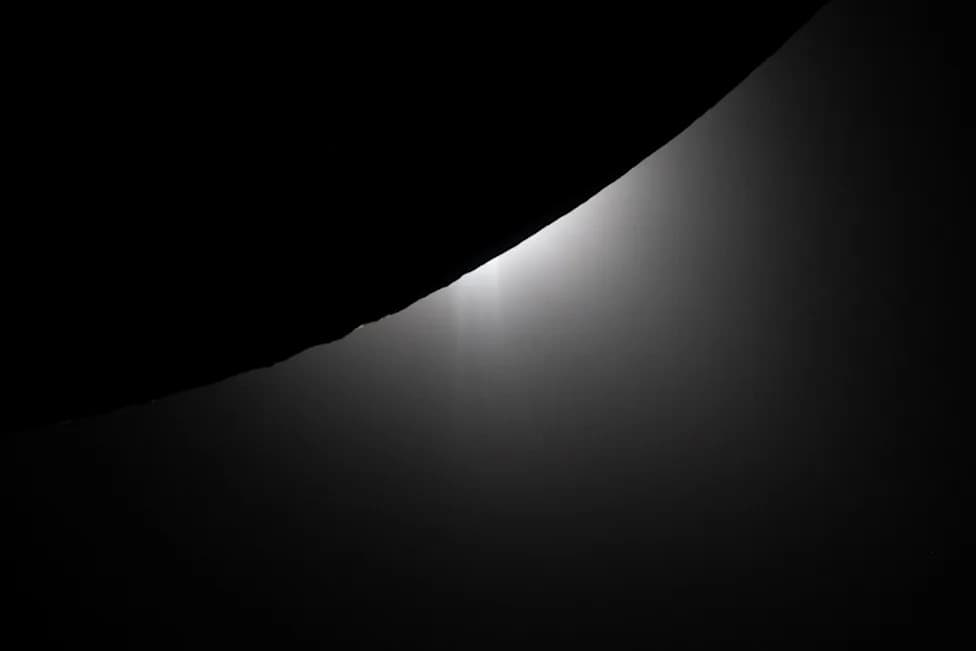
6-minute solar eclipse is coming Aug. 2, 2027. Where to see it
Skywatchers around the world are preparing for a striking total solar eclipse on August 2, 2027. NASA projects that totality could reach as long as 6 minutes and 23 seconds at its peak — one of the longest durations in recent decades.
When and Where
In a total solar eclipse the Moon lines up precisely between the Sun and Earth, casting a narrow shadow (the path of totality) across the planet. The Aug. 2, 2027 eclipse will sweep across parts of Africa, Europe and the Middle East. Most of the continental United States will not experience totality.
Countries In The Path Of Totality
- Spain
- Morocco
- Algeria
- Tunisia
- Gibraltar
- Libya
- Sudan
- Egypt
- Saudi Arabia
- Yemen
- Somalia
Visibility In The United States
Most of the U.S. will not see the eclipse as a total event. According to Time and Date, parts of Maine may observe a brief partial eclipse between approximately 5:14 and 5:19 a.m. ET on Aug. 2, 2027. For many Americans, that short partial phase will be the only visible effect.
How This Eclipse Compares
The Aug. 2, 2027 event will be notably long: the April 8, 2024 total solar eclipse reached a maximum of about 4 minutes, 28 seconds, while the 1991 eclipse lasted roughly 6 minutes, 53 seconds. Space.com reports that the 2027 eclipse will be the longest totality until the year 2114.
Other Upcoming Eclipses
Another total solar eclipse occurs on Aug. 12, 2026; that event will be visible from Greenland, Iceland, parts of Spain, Russia and portions of Portugal, according to NASA.
Viewing Tips And Safety
- Always use proper solar viewers that meet the ISO 12312-2 standard — do not look at the Sun with the naked eye.
- Camera lenses, binoculars and telescopes require certified solar filters placed over the front of the optics.
- Plan travel and accommodations well in advance if you want to be inside the path of totality; check local weather forecasts for cloud cover.
- Consult authoritative maps and timing information from NASA and NationalEclipse.org for precise locations, timings and safety guidance.
Sources: NASA, NationalEclipse.org, Space.com, Time and Date. Original reporting by USA TODAY.
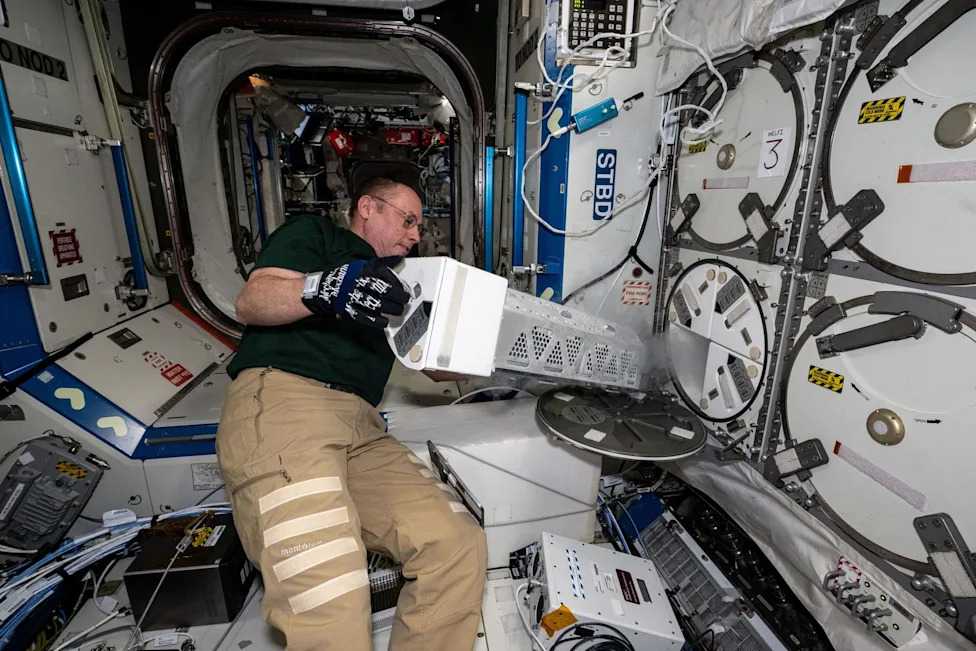
NASA astronaut Mike Fincke inserts a cryogenic storage unit containing research samples into a science freezer for preservation and later analysis on the International Space Station.(NASA)
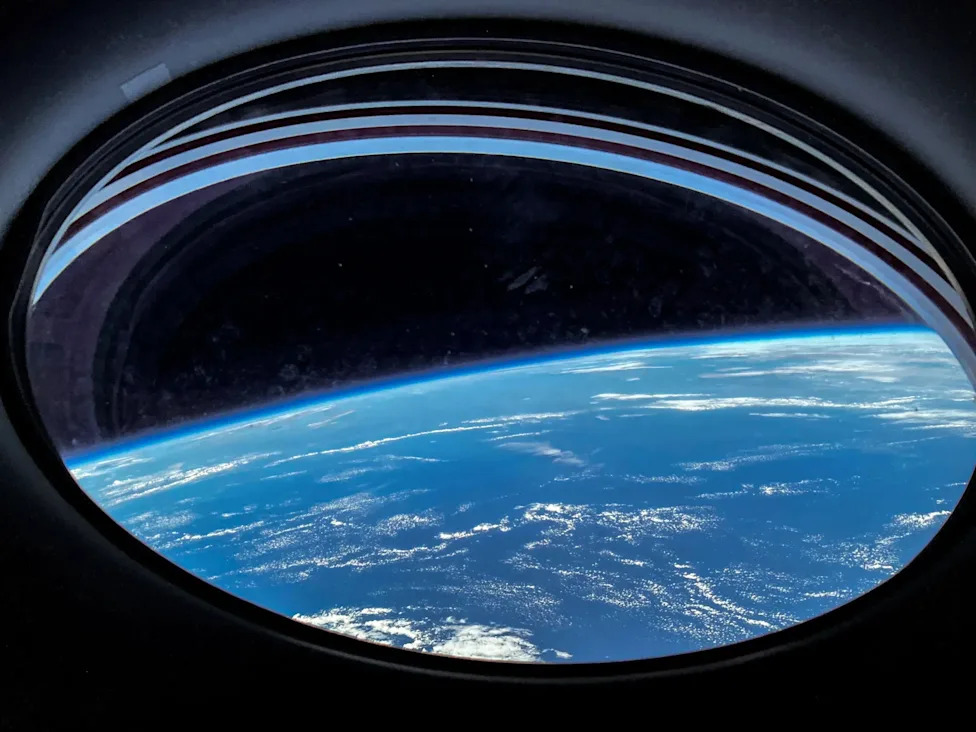
This view of Earth was captured from a window on a SpaceX Dragon spacecraft as it approached the International Space Station.(SpaceX via NASA)
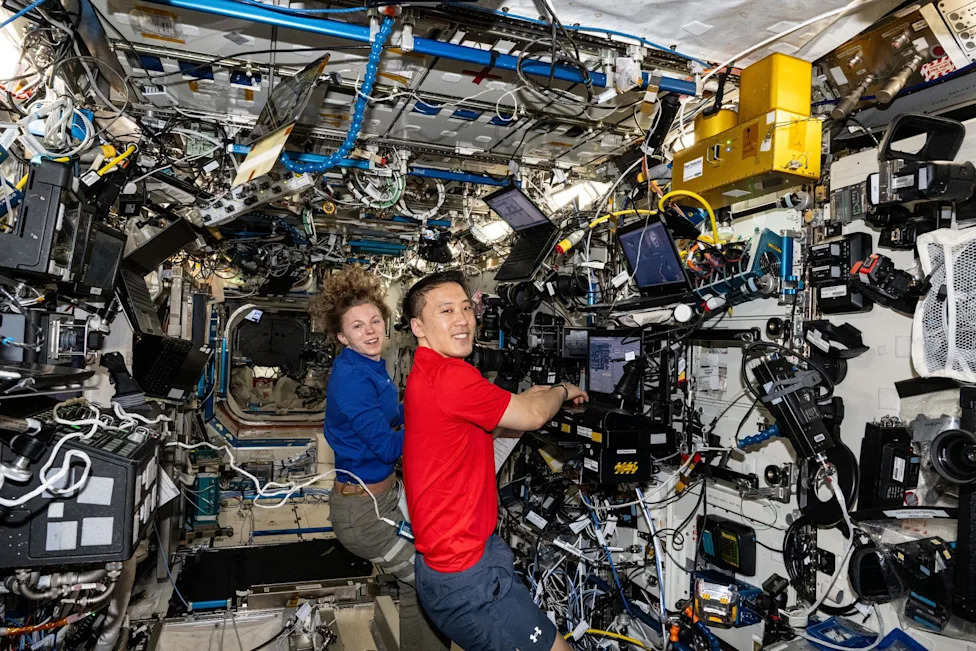
NASA astronauts Zena Cardman and Jonny Kim practice using a robotic arm on the Destiny laboratory module’s robotics workstation on the International Space Station. Kim used the device in September to capture Northrop Grumman’s Cygnus XL cargo craft as it arrived at the outpost.(NASA)
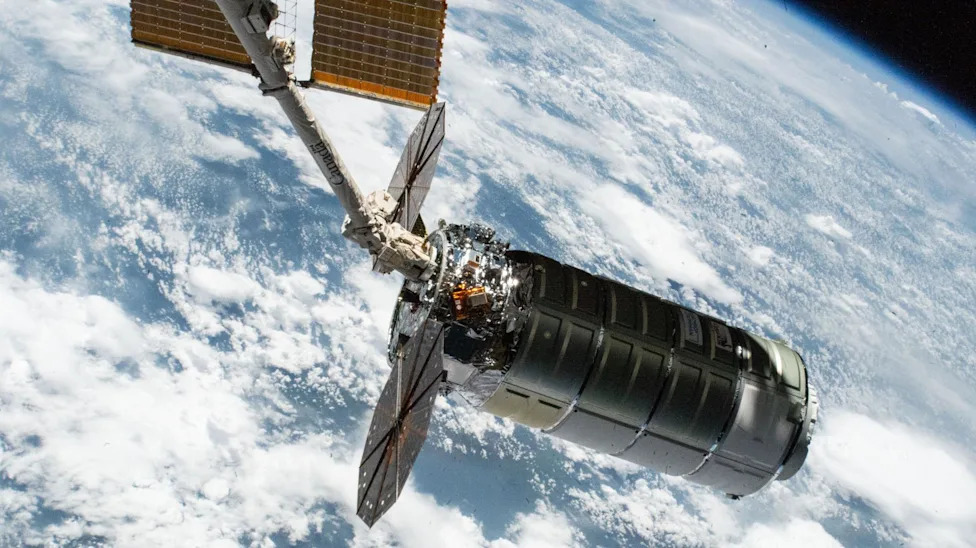
Northrop Grumman’s Cygnus XL cargo craft, carrying over 11,000 pounds of new science and supplies for the Expedition 73 crew, is pictured in the grips of the International Space Station’s Canadarm2 robotic arm following its capture.(NASA)
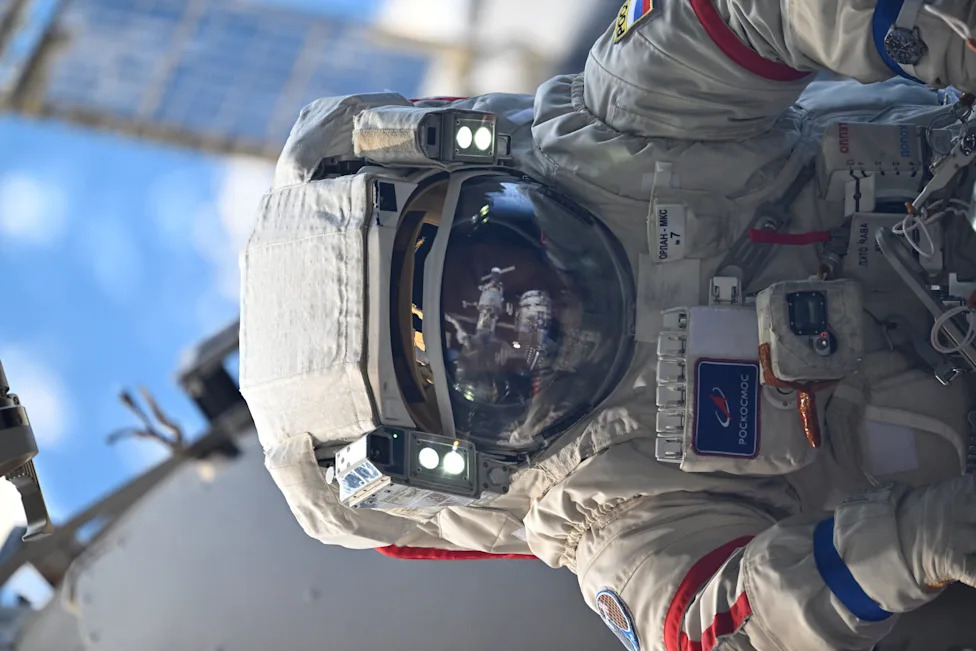
Roscosmos cosmonaut Sergey Ryzhikov conducts a spacewalk Oct. 16 outside the International Space Station.(Oleg Platonov/Roscosmos/Handout via Reuters)
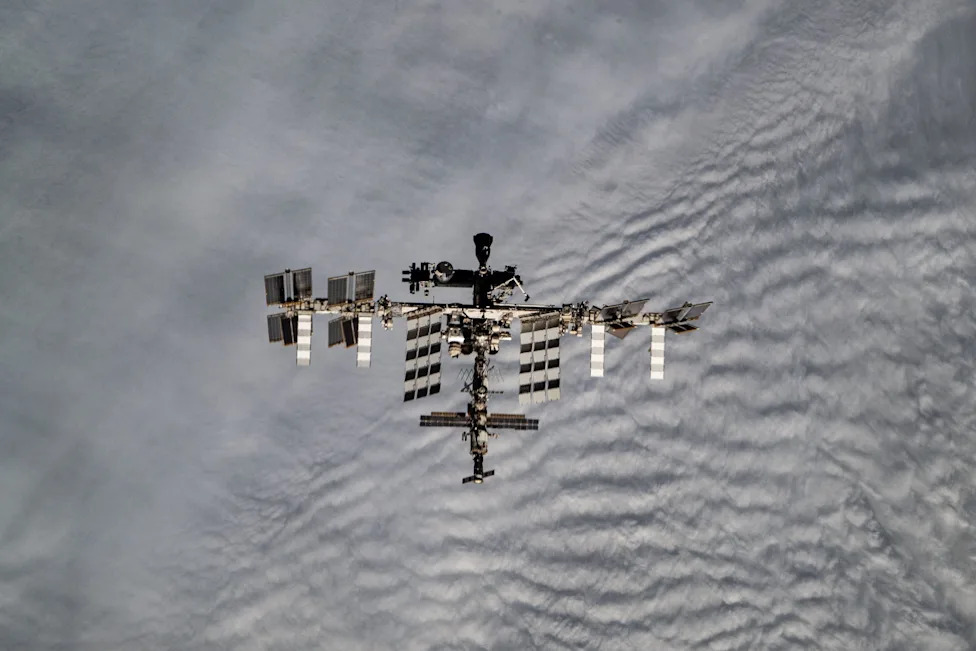
The International Space Station is seen from the Crew 8 SpaceX Dragon during undocking in October 2024.(Provided by NASA / USA TODAY NETWORK via Imagn Images)
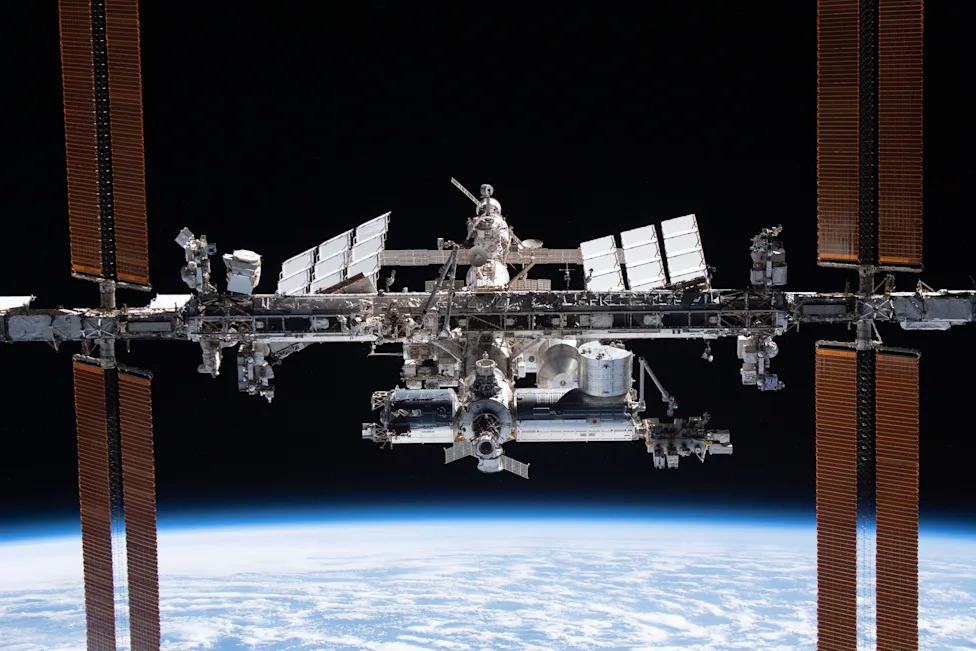
The International Space Station as seen in Nov. 2021 from astronauts aboard a SpaceX Dragon.(Provided by NASA/Thomas Pesquet/ USA TODAY NETWORK via Imagn Images)
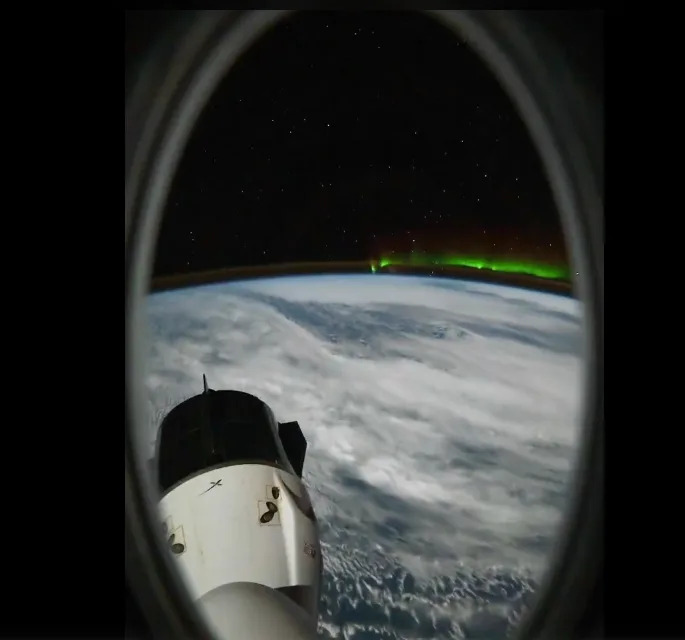
This still from a video captured by NASA astronaut Zena Cardman, a member of Crew-11, from the International Space Station shows auroras above the South Pacific Ocean. Cardman took the footage from a SpaceX Dragon capsule that was docked at the time.(Zena Cardman/NASA)
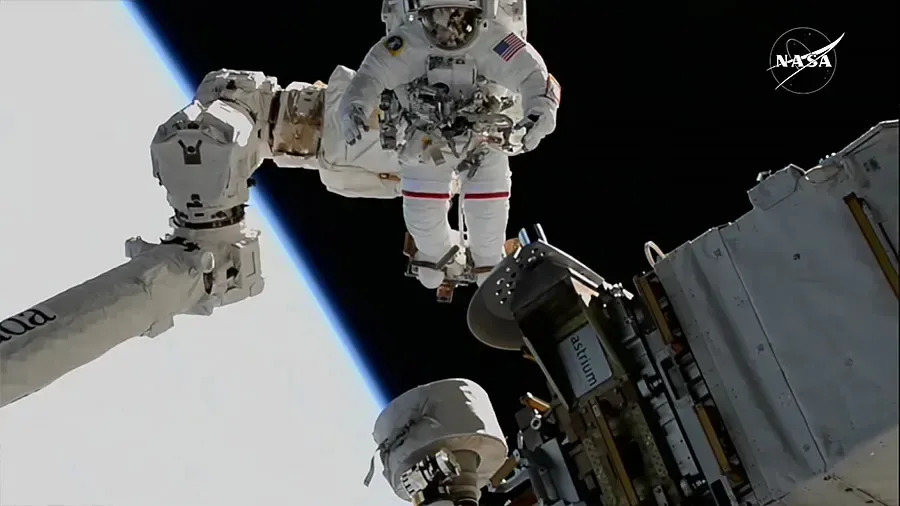
NASA astronaut and Expedition 72 Commander Suni Williams is pictured Thursday, Jan. 30 during her second spacewalk of the month. In this photo, Williams is attached to the tip of the Canadarm2 robotic arm as the International Space Station orbits 260 miles above Earth.(NASA)
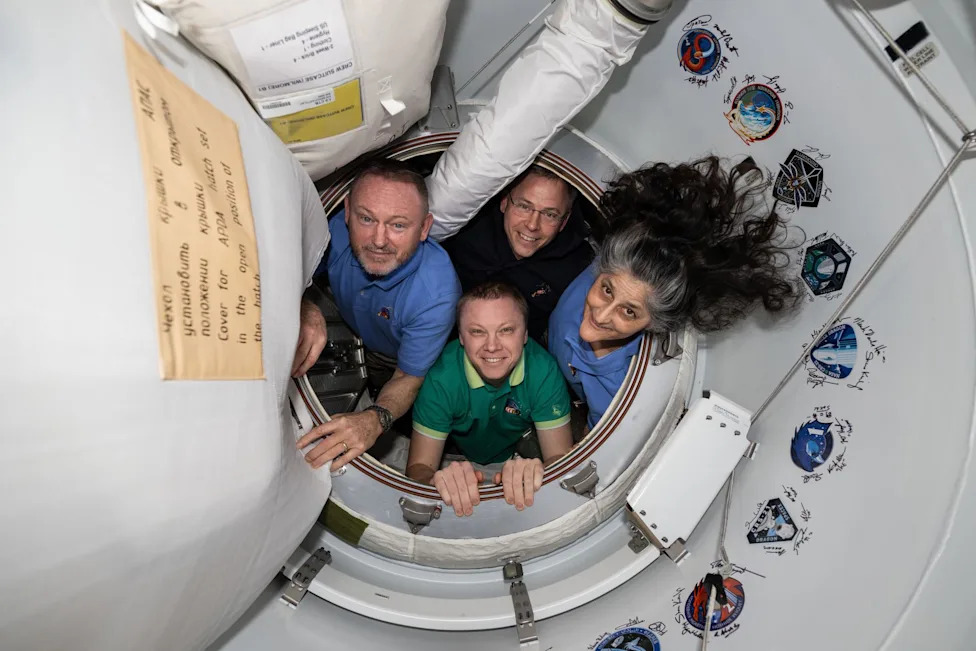
NASA’s SpaceX Crew-9 members pose together for a portrait inside the vestibule between the International Space Station and the SpaceX Dragon crew spacecraft. Clockwise from left, are NASA astronauts Butch Wilmore, Nick Hague, and Suni Williams, and Roscosmos cosmonaut Aleksandr Gorbunov.(NASA)
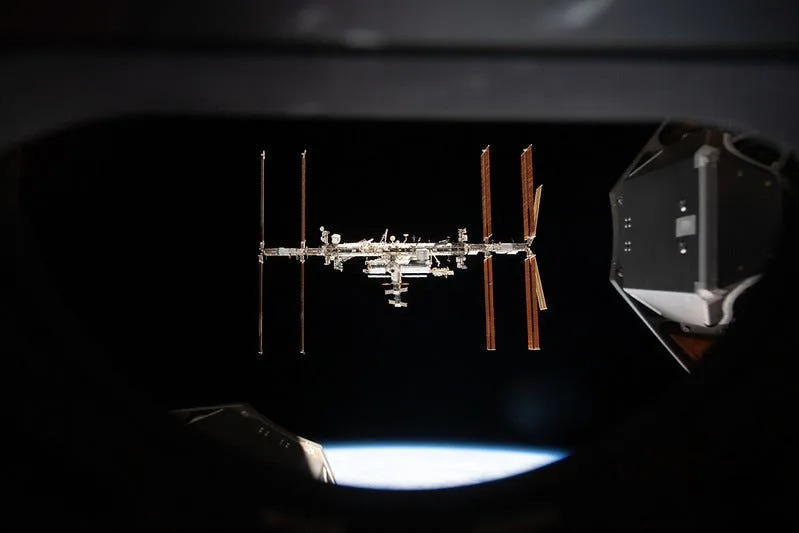
The International Space Station is pictured from inside a window aboard the SpaceX Crew Dragon Endeavour during a fly around of the orbiting lab that took place following its undocking from the Harmony module’s space-facing port on Nov. 8, 2021.(Provided by NASA)
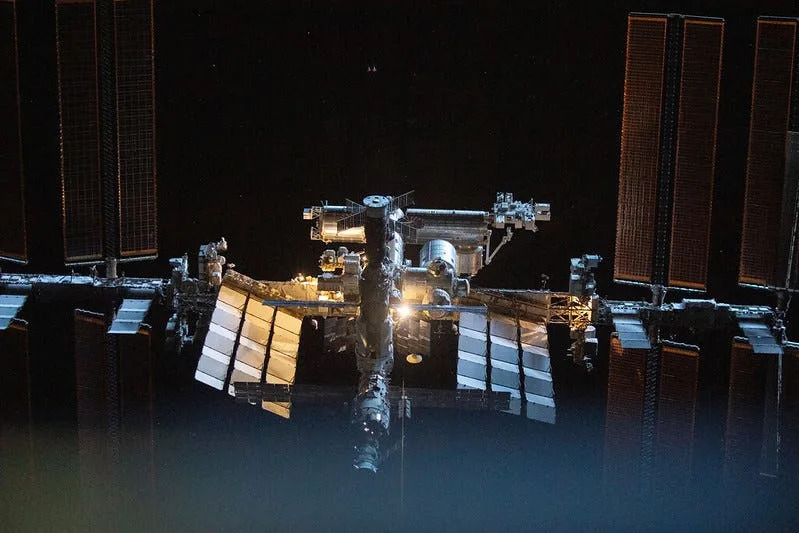
The International Space Station is pictured from the SpaceX Crew Dragon Endeavour during a fly around of the orbiting lab that took place following its undocking from the Harmony module’s space-facing port on Nov. 8, 2021.(Provided by NASA)
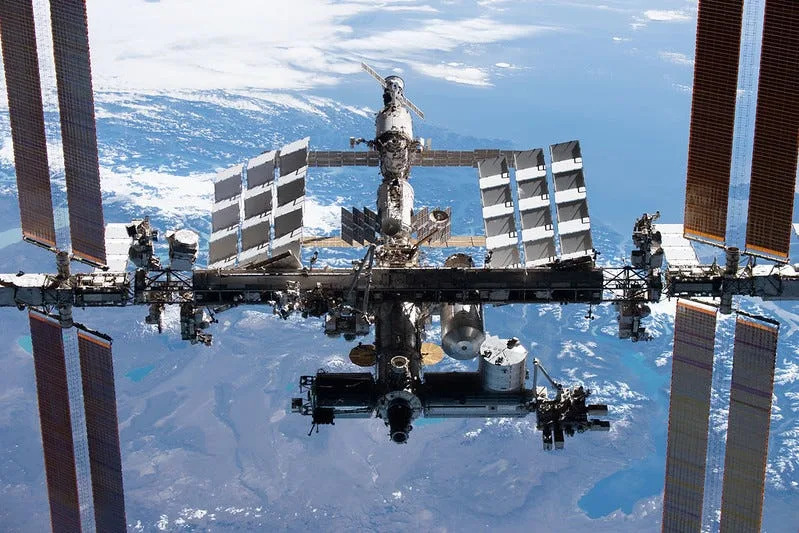
The International Space Station is pictured from the SpaceX Crew Dragon Endeavour during a fly around of the orbiting lab that took place following its undocking from the Harmony module’s space-facing port on Nov. 8, 2021.(Provided by NASA)
Help us improve.





















